House Log / Guide
The Essential Guide to Home Maintenance: Why It Matters
Discover why home maintenance is crucial for safety, value, and longevity. Learn practical tips to protect your investment and enhance your living space.
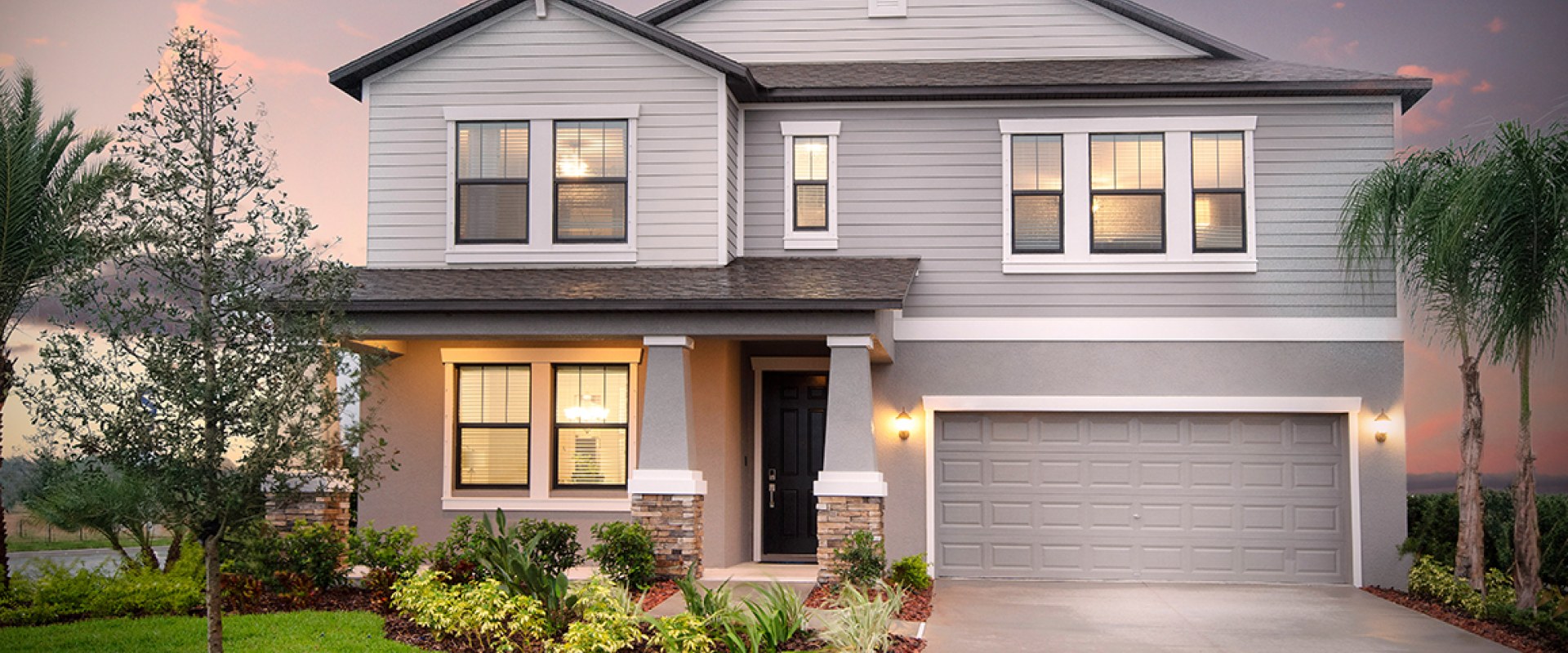
Home maintenance is a crucial aspect of homeownership that often goes overlooked until problems arise, including issues related to common pests. It encompasses a wide range of tasks aimed at preserving the functionality, safety, and aesthetic appeal of your property. From routine inspections to minor repairs, Home maintenance is a crucial aspect of homeownership that often goes overlooked until problems arise, including issues related to common pests. It encompasses a wide range of tasks aimed at preserving the functionality, safety, and aesthetic appeal of your property. From routine inspections to minor repairs, home maintenance is not merely about keeping your living space tidy; it is about ensuring that your home remains a safe and comfortable environment for you and your family. The significance of home maintenance cannot be overstated. Regular upkeep helps to identify potential issues before they escalate into costly repairs.
For instance, a small leak in a pipe can lead to extensive water damage if left unaddressed. By investing time and resources into maintaining your home, you can prevent such scenarios, ultimately saving money and preserving the value of your property. Moreover, a well-maintained home contributes to a sense of pride and satisfaction, enhancing your overall quality of life. Understanding the importance of home maintenance also involves recognising its role in extending the lifespan of various components within your home. Systems such as heating, plumbing, and electrical wiring require regular attention to function efficiently.
Neglecting these systems can lead to breakdowns that not only disrupt your daily life but can also pose safety hazards. Therefore, establishing a comprehensive home maintenance plan is essential for any homeowner looking to safeguard their investment. In summary, home maintenance is an ongoing commitment that pays dividends in the long run. It ensures that your home remains a sanctuary for you and your loved ones while protecting your financial investment. As we delve deeper into the various aspects of home maintenance throughout this article, you will discover practical tips and insights that will empower you to take charge of your home's upkeep.
Financial Benefits of Home Maintenance
Investing in home maintenance is not merely a matter of keeping your property looking good; it is a strategic financial decision that can yield substantial savings over time.Regular upkeep can prevent minor issues from escalating into major repairs, which can be financially burdensome. One of the most significant financial benefits of home maintenance is the potential for cost savings. For instance, a small leak in a roof can lead to extensive water damage if left unaddressed. Repairing a leak early on may only cost a few hundred pounds, whereas neglecting it could result in thousands spent on structural repairs, mould remediation, and even replacement of damaged furnishings. Moreover, regular inspections and maintenance can help identify problems before they become severe. For example, checking the condition of your heating system annually can prevent unexpected breakdowns during the cold months, which often require urgent and expensive repairs.
By scheduling routine maintenance, homeowners can budget for these costs rather than facing sudden financial strain. Another critical aspect of home maintenance is its role in preserving property value. A well-maintained home not only attracts potential buyers but also commands a higher selling price. Properties that show signs of neglect—such as peeling paint, overgrown gardens, or outdated fixtures—can deter buyers and lead to lower offers. In contrast, homes that are regularly maintained tend to appreciate in value more consistently. Additionally, maintaining your home can lead to lower insurance premiums.
Insurance companies often reward homeowners who take proactive steps to mitigate risks associated with property damage. By demonstrating that you are committed to regular maintenance, you may find that your insurance provider offers discounts or lower rates. In summary, the financial benefits of home maintenance are clear: from preventing costly repairs and preserving property value to potentially lowering insurance costs. By investing time and resources into maintaining your home, you are not just protecting your living space; you are also safeguarding your financial future.
Enhancing Safety and Security
Ensuring a safe and secure living environment is one of the most critical aspects of home maintenance. Neglecting regular upkeep can lead to various safety hazards that not only threaten the integrity of your home but also the well-being of its occupants. One of the primary concerns in home safety is the risk of fire.Regular maintenance of electrical systems, appliances, and heating equipment is essential to prevent potential fire hazards. For instance, frayed wires, overloaded circuits, and malfunctioning smoke detectors can all contribute to a dangerous situation. Homeowners should conduct routine checks on:
- Smoke Detectors: Ensure they are functioning correctly and replace batteries at least once a year.
- Electrical Systems: Hire a qualified electrician to inspect wiring and outlets for any signs of wear or damage.
- Heating Equipment: Schedule annual inspections for furnaces and boilers to ensure they operate safely and efficiently.
These problems not only compromise the safety of the structure but can also lead to costly repairs if left unaddressed. Regular inspections can help identify these issues early on. Homeowners should pay attention to:
- Foundation Cracks: Monitor for any new cracks or widening existing ones, as they may indicate serious structural problems.
- Roof Condition: Inspect for missing shingles or leaks that could lead to water damage and mould growth.
- Windows and Doors: Ensure they close properly to prevent drafts and enhance security against intruders.
Simple measures such as maintaining outdoor lighting, trimming overgrown bushes, and securing windows can significantly enhance your home's security profile. In conclusion, prioritising home maintenance is vital for creating a safe living environment. By addressing potential fire hazards, ensuring structural integrity, and enhancing security measures, homeowners can protect their families and investments while enjoying peace of mind.
Increasing Home Longevity
Maintaining a home is not merely about aesthetics; it plays a crucial role in extending the lifespan of the property and its various components. Regular upkeep can significantly enhance the durability of your home, ensuring that it remains a safe and comfortable environment for years to come. One of the primary benefits of consistent home maintenance is the prevention of minor issues from escalating into major problems. For instance, a small leak in the roof, if left unattended, can lead to extensive water damage, mould growth, and even structural issues.By addressing such concerns promptly, homeowners can avoid costly repairs that may arise from neglect. Moreover, regular inspections and maintenance tasks can help identify potential weaknesses in your home’s structure. This includes checking for cracks in walls, inspecting the foundation for signs of subsidence, and ensuring that windows and doors are properly sealed. By proactively managing these aspects, you can significantly prolong the life of your home.
Investing in Key Areas
Focusing on critical areas such as roofing, plumbing, and electrical systems is essential for long-term home care. For example:-
Roof Maintenance: Regularly inspecting and repairing your roof can prevent leaks and extend its lifespan.
This includes cleaning gutters to ensure proper drainage and replacing damaged shingles.
- Plumbing Checks: Routine checks for leaks or corrosion in pipes can save you from extensive water damage and costly repairs down the line.
- Electrical System Upkeep: Ensuring that your electrical systems are up to date and functioning correctly can prevent hazards such as electrical fires.
Mental and Emotional Well-being
Maintaining a home is not just about physical upkeep; it also plays a significant role in enhancing mental health and emotional well-being.A well-maintained home can serve as a sanctuary, providing a sense of comfort and security that positively impacts your overall mood and mental state. One of the primary psychological benefits of regular home maintenance is the reduction of stress. When your living environment is organised and in good condition, it creates a calming atmosphere that allows you to relax. Conversely, a cluttered or neglected home can lead to feelings of anxiety and overwhelm. The act of cleaning, repairing, and organising your space can be therapeutic, offering a sense of accomplishment that boosts your self-esteem.
Peace of Mind Through Upkeep
Regular maintenance provides peace of mind, knowing that your home is safe and functional.This assurance can alleviate worries about unexpected repairs or safety hazards, such as faulty wiring or plumbing issues. When you invest time in maintaining your home, you are essentially investing in your mental well-being. You can focus on enjoying your space rather than fretting over potential problems.
Emotional Benefits of a Well-Maintained Home
A well-kept home fosters a sense of pride and ownership. When you take care of your living space, it reflects your values and lifestyle choices.This pride can enhance your emotional connection to your home, making it feel more like a personal haven rather than just a place to live. Additionally, inviting friends and family over becomes more enjoyable when you know your home is in good shape, further enhancing social interactions that contribute to emotional health. Moreover, engaging in home maintenance activities can serve as a form of physical exercise, which is known to release endorphins—natural mood lifters. Whether it's gardening, painting a room, or simply rearranging furniture, these activities not only improve the aesthetics of your home but also promote physical health and emotional well-being. In conclusion, the importance of home maintenance extends beyond mere functionality; it significantly contributes to mental and emotional health. By creating a safe, organised, and aesthetically pleasing environment, you cultivate a space that nurtures both body and mind.
Environmental Impact of Home Maintenance
Home maintenance plays a crucial role in promoting sustainability and reducing our environmental footprint.By ensuring that our homes are well-maintained, we can significantly enhance energy efficiency, minimise waste, and contribute to a healthier planet. One of the primary ways that home maintenance supports environmental sustainability is through improved energy efficiency. Regularly servicing heating and cooling systems, for instance, can lead to substantial energy savings. A well-maintained boiler or air conditioning unit operates more efficiently, consuming less energy and reducing greenhouse gas emissions. Homeowners should consider scheduling annual inspections and cleanings for these systems to ensure they are functioning optimally. Additionally, maintaining insulation and sealing gaps around windows and doors can prevent heat loss during colder months and keep homes cooler in the summer.
This not only enhances comfort but also reduces reliance on heating and cooling systems, further decreasing energy consumption. Another important aspect of eco-friendly home maintenance is the responsible management of waste. Regular upkeep often involves disposing of old appliances, furniture, or building materials. By recycling or donating these items instead of sending them to landfills, homeowners can significantly reduce their waste output. Many local councils offer recycling programs for various materials, making it easier to dispose of unwanted items sustainably. Moreover, choosing environmentally friendly products for home maintenance tasks can also make a difference.
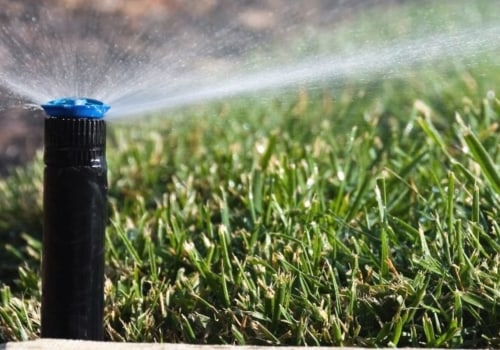
Opting for non-toxic paints, biodegradable cleaning supplies, and sustainable materials not only protects the environment but also improves indoor air quality. This is particularly important as many conventional products contain harmful chemicals that can contribute to air pollution within the home. Incorporating eco-friendly practices into home maintenance routines can also extend to landscaping. Maintaining gardens with native plants that require less water and fewer chemicals promotes biodiversity and conserves resources. Regularly checking irrigation systems for leaks ensures that water is used efficiently, further supporting sustainability efforts. In conclusion, prioritising home maintenance is not just about preserving property value; it is also a vital step towards fostering a sustainable future.
By enhancing energy efficiency, reducing waste, and choosing eco-friendly products, homeowners can significantly lessen their environmental impact while enjoying the numerous benefits of a well-maintained home.
Common Home Maintenance Tasks to Consider
Maintaining a home is an ongoing responsibility that requires attention to various tasks throughout the year. To help you stay organised and ensure your property remains in excellent condition, here’s a comprehensive home maintenance checklist that covers essential tasks for homeowners.Monthly Maintenance Tasks
- Inspect HVAC Filters: Check and replace air filters in your heating and cooling systems to ensure optimal performance and air quality.
- Test Smoke and Carbon Monoxide Detectors: Regularly test these safety devices to ensure they are functioning correctly. Replace batteries as needed.
- Check for Leaks: Inspect under sinks, around toilets, and in basements for any signs of leaks or water damage.
Seasonal Maintenance Tasks
-
Spring:
- Clean Gutters: Remove debris from gutters and downspouts to prevent water damage.
- Inspect Roof: Look for missing or damaged shingles and schedule repairs as necessary.
- Service Air Conditioning Units: Have your AC system serviced to prepare for warmer months.
-
Summer:
- Check Outdoor Equipment: Inspect lawnmowers, grills, and other outdoor appliances for proper functioning.
- Maintain Landscaping: Trim trees and shrubs, and check for any pest infestations.
-
Autumn:
- Winterise Outdoor Faucets: Drain and insulate outdoor taps to prevent freezing.
- Inspect Heating Systems: Schedule a service for your heating system before the cold weather sets in.
- Clean Chimneys: If you use a fireplace, have your chimney inspected and cleaned to prevent fire hazards.
-
winter:
- Check Insulation: Ensure that your home is properly insulated to maintain energy efficiency during colder months.
- Monitor Ice Dams: Keep an eye on your roof for ice dams that can cause leaks and damage.
When to Seek Professional Help
While many home maintenance tasks can be tackled by homeowners, there are certain situations where seeking professional home maintenance services is not just advisable but essential.Knowing when to hire a contractor can save you time, money, and potential safety hazards. Here are some key scenarios where expert help is warranted:
- Complex Repairs: If you encounter issues such as significant plumbing leaks, electrical problems, or structural damage, it’s crucial to call in professionals. These types of repairs often require specialised knowledge and tools that the average homeowner may not possess.
- Safety Concerns: If a repair poses a risk to your safety or the safety of your family, it’s best to leave it to the experts. For instance, dealing with gas lines, electrical wiring, or even large tree removals can be dangerous without proper training.
-
Lack of Time or Skills: If you find yourself overwhelmed with your schedule or lack the necessary skills for a particular task, hiring a professional can alleviate stress.
This is especially true for tasks that require precision and expertise, such as roofing or extensive renovations.
- Specialised Equipment: Some maintenance tasks require equipment that is not only expensive but also requires training to use safely. For example, if you need to inspect your chimney or perform extensive duct cleaning, professionals have the right tools and experience.
- Permits and Regulations: Certain home improvements may require permits or adherence to local building codes. Professionals are typically well-versed in these regulations and can ensure that your project complies with all legal requirements.
- Visible Damage: Cracks in walls, sagging ceilings, or water stains can indicate underlying issues that need professional assessment.
- Persistent Problems: If you find yourself repeatedly fixing the same issue, it may be time to consult a professional who can identify the root cause.
- Unusual Sounds or Smells: Strange noises from appliances or unusual odours can signal problems that require immediate attention from an expert.
By recognising the signs and understanding the complexities involved in certain repairs, you can make informed decisions that protect both your investment and your peace of mind.
Creating a Home Maintenance Schedule
Creating a comprehensive home maintenance plan is essential for every homeowner. A well-structured schedule not only helps in keeping your property in top condition but also prevents minor issues from escalating into major repairs. Here’s how to effectively schedule your upkeep tasks.1.Assess Your Home's Needs
- Begin by conducting a thorough inspection of your home. Identify areas that require regular attention, such as the roof, gutters, plumbing, and electrical systems.
- Make a list of tasks that need to be performed monthly, quarterly, and annually.
This will help you visualise the scope of maintenance required.
2.Create a Maintenance Calendar
- Utilise a digital calendar or a physical planner to mark important dates for each maintenance task. For instance, schedule gutter cleaning in early autumn and HVAC servicing before winter.
- Consider setting reminders for tasks that are easy to forget, such as changing air filters or checking smoke detectors.
3.Prioritise Tasks
- Some maintenance tasks are more critical than others. Prioritise based on urgency and potential impact on your home’s safety and value.
- For example, addressing leaks or structural issues should take precedence over cosmetic improvements.
4.Involve Professionals When Necessary
- While many tasks can be handled by homeowners, some require professional expertise. Schedule inspections with qualified contractors for complex systems like plumbing and electrical work.
- Regular professional assessments can catch issues early, saving you money in the long run.
5.Review and Adjust Your Schedule
- Your home’s needs may change over time due to wear and tear or renovations.
Regularly review your maintenance schedule to ensure it remains relevant.
- Adjust the frequency of tasks based on your observations and any new issues that arise.
Conclusion: The Long-term Value of Home Maintenance
In conclusion, the significance of home maintenance cannot be overstated. Regular upkeep not only safeguards your property but also enhances its overall value and longevity. By investing time and resources into maintaining your home, you are essentially protecting your financial investment and ensuring that it remains a safe haven for you and your family. One of the most compelling reasons to engage in routine home maintenance is the potential for substantial financial savings.Addressing minor issues before they escalate into major repairs can save homeowners thousands of pounds. For instance, a small leak in a roof can lead to extensive water damage if left unattended, resulting in costly repairs that could have been easily avoided. Moreover, regular maintenance contributes significantly to the safety of your home. Ensuring that systems such as heating, electrical, and plumbing are functioning correctly reduces the risk of accidents and hazards. A well-maintained home is less likely to experience issues such as fires or carbon monoxide leaks, which can pose serious threats to your family's safety. Beyond financial and safety considerations, home maintenance also plays a crucial role in promoting mental well-being.
A tidy and well-kept environment fosters a sense of peace and comfort. Knowing that your home is in good condition can alleviate stress and anxiety, allowing you to focus on other aspects of life. Additionally, maintaining your home has positive implications for the environment. By ensuring that appliances are energy-efficient and systems are functioning optimally, you can reduce energy consumption and lower your carbon footprint. This not only benefits the planet but also leads to lower utility bills. In summary, the long-term value of home maintenance extends far beyond mere aesthetics.
It encompasses financial savings, safety enhancements, mental health benefits, and environmental responsibility. By prioritising regular maintenance, homeowners can enjoy a more secure, comfortable, and sustainable living environment for years to come.