House Log / Guide
Essential Home Maintenance Activities for Sustaining Life
Explore vital home maintenance activities that sustain life, enhance safety, and promote well-being in your living environment.
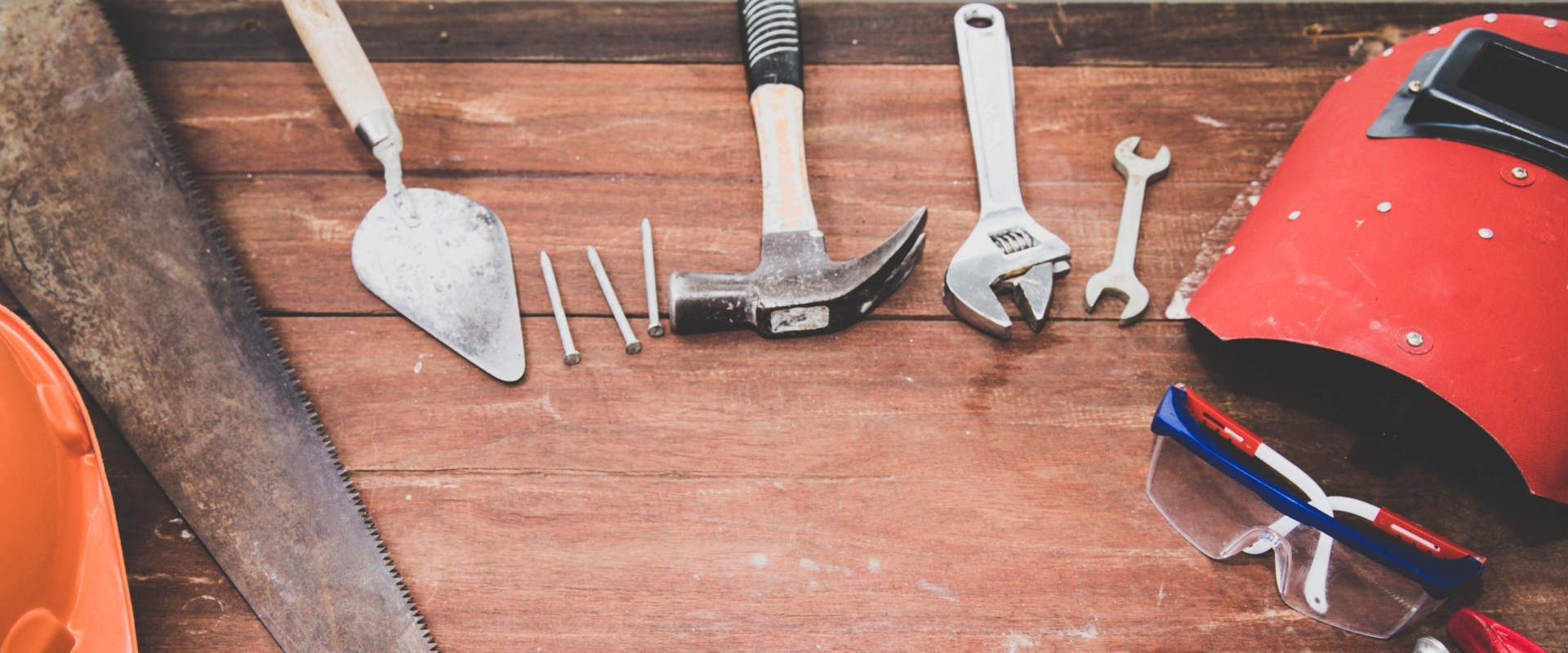
Home maintenance is a crucial aspect of ensuring a safe and healthy living environment. It encompasses a wide range of activities that not only preserve the physical structure of a home but also contribute significantly to the well-being of its inhabitants. Just as our bodies require regular care and attention to function optimally, so too does our living space need consistent upkeep to sustain a comfortable and functional atmosphere. The importance of home maintenance cannot be overstated; it plays a vital role in preventing deterioration, enhancing safety, and promoting overall quality of life. At its core, home maintenance involves routine tasks that help to identify potential issues before they escalate into more significant problems.
This proactive approach is akin to the life-sustaining activities we engage in daily, such as eating nutritious food or exercising. By regularly inspecting and maintaining various systems within the home—such as plumbing, electrical, and heating—we can ensure that our living environment remains conducive to health and happiness. Moreover, just as breathing and digestion are essential for our survival, maintaining the integrity of our homes is essential for fostering a nurturing space where life can thrive. Furthermore, understanding the significance of home maintenance extends beyond mere aesthetics or functionality; it is about creating a sanctuary that supports our physical and mental well-being. A well-maintained home can reduce stress levels, enhance productivity, and even improve relationships among family members.
When we invest time and resources into maintaining our homes, we are essentially investing in our quality of life. This section will delve deeper into the various activities that constitute effective home maintenance and explore how these practices contribute to sustaining life within our homes.
The Role of Breathing in Home Maintenance
Breathing is an essential function that sustains life, and its significance extends beyond our biological needs to the very environment we inhabit. In the context of home maintenance, ensuring optimal air quality and proper ventilation is crucial for creating a healthy living space. Poor air quality can lead to various health issues, including respiratory problems, allergies, and fatigue, making it imperative to focus on indoor air maintenance. One of the primary components of maintaining good air quality in your home is the regular inspection and upkeep of HVAC systems.These systems are responsible for heating, ventilation, and air conditioning, playing a vital role in regulating indoor temperatures and ensuring fresh air circulation. Neglecting these systems can lead to a buildup of dust, allergens, and even mould, which can severely impact the air you breathe. To maintain your HVAC system effectively, consider implementing the following practices:
- Regular Filter Changes: Air filters should be replaced every 1-3 months, depending on usage and the type of filter. Clogged filters restrict airflow and reduce efficiency.
- Annual Professional Inspections: Schedule yearly check-ups with a qualified technician to ensure your system operates efficiently and safely.
- Duct Cleaning: Over time, dust and debris can accumulate in ductwork. Regular cleaning helps improve airflow and indoor air quality.
These devices filter out pollutants, allergens, and harmful particles from the air. When selecting an air purifier, consider factors such as room size, filter type, and noise levels to find one that best suits your needs.
Ventilation systems
also play a critical role in maintaining a healthy home environment. Proper ventilation helps to remove stale air and introduce fresh outdoor air. This is particularly important in areas prone to moisture accumulation, such as kitchens and bathrooms.
Installing exhaust fans in these spaces can help mitigate humidity levels and prevent mould growth. In conclusion, prioritising breathing through effective home maintenance practices not only enhances your living environment but also contributes to overall well-being. By regularly checking HVAC systems, utilising air purifiers, and ensuring adequate ventilation, you can create a healthier home that supports both physical health and comfort.
Nutrition: The Heart of Home Maintenance
Nutrition plays a pivotal role in the overall maintenance of a home, not just in terms of physical health but also in creating a harmonious living environment. A well-maintained kitchen is essential for promoting healthy eating habits and ensuring that the food we consume is safe and nutritious.Food Storage: The Foundation of Freshness
Proper food storage is crucial for maintaining the quality and safety of your ingredients. Here are some key tips to consider:
- Temperature Control: Ensure your refrigerator is set to below 5°C (41°F) to inhibit bacterial growth.
Regularly check the temperature with a thermometer.
- Use Airtight Containers: Store dry goods like grains, pasta, and spices in airtight containers to prevent moisture and pests from spoiling them.
- Label and Date: Always label your food items with the date of purchase or preparation. This practice helps you keep track of freshness and reduces food waste.
- FIFO Method: Implement the First In, First Out (FIFO) method by placing newer items behind older ones in your pantry or fridge. This ensures that older items are used first.
Kitchen Maintenance: A Clean Space for Healthy Eating
A clean kitchen is not only aesthetically pleasing but also vital for health. Regular cleaning routines can prevent cross-contamination and foodborne illnesses.
Here are some effective strategies:
- Daily Cleaning: Wipe down countertops, cutting boards, and utensils after each use to eliminate bacteria.
- Deep Cleaning: Schedule a deep clean of your kitchen at least once a month, focusing on appliances, cabinets, and hard-to-reach areas.
- Organise Your Space: Keep your kitchen organised by decluttering surfaces and ensuring that everything has its designated place. This not only enhances efficiency but also makes cleaning easier.
Healthy Eating at Home: Making Informed Choices
The choices we make about what to eat significantly impact our health. To foster healthy eating habits at home, consider the following:
- Meal Planning: Plan your meals for the week ahead to ensure you include a variety of nutrients. This practice can help you avoid impulsive unhealthy choices.
- Incorporate Whole Foods: Focus on incorporating whole foods such as fruits, vegetables, whole grains, and lean proteins into your diet.
These foods provide essential nutrients without unnecessary additives.
- Stay Hydrated: Keep a water pitcher in the fridge to encourage hydration throughout the day. Proper hydration supports overall health and can help curb unnecessary snacking.
Digestion: Maintaining a Functional Home Environment
Effective waste management and plumbing systems are crucial for maintaining a functional home environment. Just as the human body relies on digestion to process food and eliminate waste, a home requires a well-maintained plumbing system to manage waste efficiently.Neglecting these systems can lead to significant issues, including unpleasant odours, health hazards, and costly repairs.
Understanding Waste Management
Waste management in the home involves the proper disposal of organic and inorganic materials. This process is essential not only for hygiene but also for environmental sustainability. Here are some key aspects to consider:
- Separation of Waste: Implementing a system for separating recyclables, compostables, and general waste can significantly reduce the amount of rubbish sent to landfills.
- Regular Disposal: Establish a routine for taking out the trash to prevent overflow and odour issues. This includes ensuring that bins are cleaned regularly to avoid attracting pests.
- Composting: Consider setting up a compost bin for organic waste.
This not only reduces landfill contributions but also provides nutrient-rich soil for gardening.
The Role of Plumbing Maintenance
A well-functioning plumbing system is vital for effective waste management. Regular plumbing maintenance helps prevent blockages and leaks that can disrupt the flow of waste. Here are some essential maintenance tasks:
- Routine Inspections: Schedule regular inspections of your plumbing system to identify potential issues before they escalate. Look for signs of leaks, corrosion, or wear in pipes and fixtures.
- Drain Cleaning: Regularly clean drains to prevent build-up that can lead to clogs.
Using natural cleaners or professional services can help maintain clear pipes without harmful chemicals.
- Check Water Pressure: High water pressure can strain pipes and lead to leaks. Use a pressure gauge to monitor levels and adjust as necessary.
Sanitation at Home
Maintaining sanitation in your home is directly linked to effective waste management and plumbing systems. Here are some practices to enhance sanitation:
- Regular Cleaning: Keep surfaces clean, especially in areas prone to spills or waste accumulation, such as kitchens and bathrooms.
- Pest Control: Implement pest control measures to prevent infestations that can arise from poor waste management.
- Educate Household Members: Ensure everyone in the household understands the importance of proper waste disposal and plumbing care.
Excretion: The Importance of Sanitation Systems
Excretion is a fundamental biological process that plays a crucial role in maintaining health and hygiene within our homes. Effective sanitation systems are essential for managing waste and preventing the spread of diseases.In this section, we will explore the importance of sanitation systems, focusing on toilet maintenance and sewage management.
Toilet Maintenance
Regular toilet maintenance is vital to ensure that this essential fixture operates efficiently and hygienically. Neglecting toilet upkeep can lead to unpleasant odours, clogs, and even more severe plumbing issues. Here are some key activities to consider:
- Regular Cleaning: Clean your toilet at least once a week using appropriate cleaning agents. This not only helps maintain hygiene but also prevents the build-up of limescale and stains.
- Inspect for Leaks: Periodically check for leaks around the base of the toilet and the tank.
A leaking toilet can waste a significant amount of water and lead to higher utility bills.
- Check the Flushing Mechanism: Ensure that the flushing mechanism is functioning correctly. If you notice any issues, such as weak flushing or constant running water, address them promptly to avoid further complications.
Sewage Management
Proper sewage management is another critical aspect of home maintenance that directly impacts health and safety. A well-functioning sewage system prevents the accumulation of waste and reduces the risk of contamination. Here are some essential practices:
- Regular Inspections: Schedule routine inspections of your sewage system to identify potential problems before they escalate.
Look for signs of blockages or backups, which can indicate underlying issues.
- Maintain Drainage Systems: Ensure that all drainage systems are clear of debris and functioning correctly. Regularly clean gutters, downspouts, and drains to prevent water accumulation and flooding.
- Proper Waste Disposal: Educate all household members about proper waste disposal practices. Avoid flushing non-biodegradable items down the toilet, as these can cause significant blockages in the sewage system.
Reproduction: Creating a Safe Living Space for Families
Creating a safe living space for families is paramount, as it directly impacts the well-being and security of all household members.A well-maintained home not only provides comfort but also safeguards against potential hazards. Here are some essential strategies to enhance family safety through effective home maintenance.
Childproofing Your Home
Childproofing is a critical aspect of ensuring a safe environment for young children. Here are some key areas to focus on:- Secure Furniture: Anchor heavy furniture, such as bookshelves and dressers, to the wall to prevent tipping.
- Cover Outlets: Use outlet covers to prevent children from inserting objects into electrical sockets.
- Store Hazardous Materials Safely: Keep cleaning supplies, medications, and other hazardous substances in locked cabinets out of reach.
- Install Safety Gates: Use gates at the top and bottom of stairs to prevent falls.
- Remove Small Objects: Regularly check for small items that could pose a choking hazard and keep them out of reach.
Enhancing Home Security
A secure home is essential for protecting your family from intruders and ensuring peace of mind. Consider the following measures:- Install a Security System: A comprehensive security system with alarms and cameras can deter potential break-ins.
- Upgrade Locks: Ensure all doors and windows have high-quality locks.
Consider deadbolts for added security.
- Outdoor Lighting: Install motion-sensor lights around the exterior of your home to illuminate dark areas and deter intruders.
- Maintain Landscaping: Trim bushes and trees near windows and doors to eliminate hiding spots for potential intruders.
- Establish a Neighbourhood Watch: Collaborate with neighbours to keep an eye on each other’s properties, fostering a sense of community vigilance.
Metabolism: Energy Efficiency in Home Maintenance
In the realm of home maintenance, energy efficiency plays a pivotal role in ensuring that homes not only function optimally but also contribute to a sustainable future. By focusing on energy-efficient practices, homeowners can significantly reduce their energy consumption, leading to lower utility bills and a smaller carbon footprint. One of the first steps towards enhancing energy efficiency is conducting a thorough home energy audit. This process involves assessing various aspects of the home, including insulation, heating and cooling systems, and appliances.A professional energy auditor can identify areas where energy is being wasted and recommend specific improvements. For instance, they may suggest upgrading to more efficient appliances or improving insulation in key areas such as attics and basements. Implementing the recommendations from an energy audit can lead to substantial savings. Here are some effective strategies:
- Upgrade to Energy-Efficient Appliances: Replacing old appliances with those rated highly for energy efficiency can drastically reduce electricity usage.
- Improve Insulation: Ensuring that your home is well-insulated helps maintain temperature, reducing the need for heating and cooling.
- Seal Leaks: Identifying and sealing gaps around windows, doors, and ducts prevents conditioned air from escaping.
- Utilise Smart Technology: Smart thermostats and energy monitoring systems allow homeowners to track and manage their energy consumption effectively.
For example, using renewable energy sources such as solar panels can further enhance a home's energy efficiency while contributing to environmental conservation. In conclusion, focusing on energy efficiency in home maintenance not only benefits homeowners financially but also supports broader environmental goals. By conducting regular energy audits and implementing sustainable practices, individuals can ensure their homes are not only well-maintained but also aligned with the principles of responsible living.
Monitoring and Inspections: The Backbone of Home Maintenance
Effective home maintenance hinges on the implementation of robust monitoring and inspection strategies. These practices serve as the backbone of a well-maintained home, ensuring that potential issues are identified and addressed before they escalate into costly repairs. Regular inspections are essential for assessing the condition of various systems within the home. This includes checking plumbing, electrical systems, roofing, and HVAC units.By conducting thorough inspections, homeowners can detect early signs of wear and tear, leaks, or inefficiencies that may otherwise go unnoticed.
The Role of Monitoring Systems
Incorporating modern monitoring systems can significantly enhance the effectiveness of home maintenance. These systems can range from simple moisture sensors in basements to sophisticated smart home technology that tracks energy usage and alerts homeowners to irregularities. For instance, a smart thermostat can notify you if your heating system is not functioning efficiently, prompting timely intervention. Moreover, continuous monitoring allows for real-time data collection, which can be invaluable for preventive maintenance strategies. Homeowners can set up alerts for routine checks or maintenance tasks based on usage patterns and system performance metrics.Preventive Maintenance Strategies
Adopting a preventive maintenance approach is crucial in prolonging the lifespan of home assets.This strategy involves scheduling regular inspections and maintenance tasks based on the specific needs of each system. For example:
- HVAC Systems: Schedule bi-annual inspections to ensure optimal performance and efficiency.
- Roofing: Inspect for damage after severe weather events to prevent leaks and structural issues.
- Plumbing: Regularly check for leaks or corrosion in pipes to avoid water damage.
Asset Management at Home
Effective asset management is integral to successful home maintenance. This involves not only monitoring and inspecting but also keeping detailed records of all maintenance activities. Homeowners should maintain a log that includes dates of inspections, repairs made, and any observations noted during these assessments.This documentation can help track trends over time and inform future maintenance decisions. In conclusion, prioritising monitoring and inspections within your home maintenance routine is essential for safeguarding your property. By being proactive rather than reactive, you can ensure that your home remains a safe and comfortable space for years to come.
<strong>Conclusion</strong>: The Interconnectedness of Home Maintenance Activities</strong>
In conclusion, the activities associated with home maintenance are not merely a series of isolated tasks; they are deeply interconnected processes that collectively contribute to the overall health and longevity of a home. Each maintenance activity, whether it involves routine inspections, repairs, or upgrades, plays a vital role in ensuring that the home remains a safe and comfortable environment for its inhabitants. Understanding this interconnectedness is crucial for homeowners. For instance, regular inspections of plumbing systems can prevent minor leaks from escalating into major water damage, which in turn protects the structural integrity of the home.Similarly, maintaining heating and cooling systems not only enhances energy efficiency but also contributes to indoor air quality, impacting the health of those living within. Moreover, proactive maintenance can lead to significant cost savings over time. By addressing small issues before they develop into larger problems, homeowners can avoid expensive repairs and replacements. This approach not only preserves the value of the property but also ensures that it remains a welcoming space for family and friends. Additionally, engaging in regular maintenance fosters a sense of responsibility and pride among homeowners. It encourages them to take ownership of their living spaces and promotes a deeper understanding of how various systems within the home function together.
This knowledge empowers homeowners to make informed decisions regarding upgrades or renovations that can further enhance their living environment. Ultimately, the interconnected nature of home maintenance activities underscores the importance of a comprehensive maintenance plan. By prioritising routine checks and being vigilant about potential issues, homeowners can create a sustainable living environment that not only meets their current needs but also adapts to future challenges.