House Log / Guide
The Ultimate Guide to Preventive Maintenance Checklists for Home Maintenance
Discover the ultimate preventive maintenance checklist to keep your home safe, efficient, and well-maintained. Save money and enhance property value.

Preventive maintenance is a proactive approach to home maintenance that focuses on identifying and addressing potential issues before they escalate into costly repairs. This method not only enhances the longevity of your home’s systems and appliances but also ensures a safe and comfortable living environment. By implementing a structured preventive maintenance checklist, homeowners can systematically manage their property’s upkeep, reducing the likelihood of unexpected breakdowns and extending the lifespan of essential components. The significance of preventive maintenance in home maintenance cannot be overstated. Regularly scheduled inspections and maintenance tasks allow homeowners to catch minor problems early, often before they become major headaches.
For instance, routine checks on heating and cooling systems can prevent inefficient operation, which not only saves money on energy bills but also prolongs the life of these systems. Furthermore, a well-maintained home is less likely to suffer from issues such as mould growth or structural damage, which can arise from neglect. Incorporating preventive maintenance into your home care routine offers numerous benefits. It fosters a sense of responsibility and awareness regarding your property’s condition, empowering homeowners to take charge of their living spaces. Additionally, having a clear plan in place can alleviate the stress associated with unexpected repairs and financial burdens.
By prioritising preventive measures, you are investing in the long-term health of your home, ensuring that it remains a safe haven for you and your family.
What is a Preventive Maintenance Checklist?
A preventive maintenance checklist is a systematic tool designed to ensure that essential maintenance tasks are performed regularly and efficiently. This checklist serves as a guide for homeowners and maintenance personnel alike, outlining specific actions that need to be taken to maintain the functionality and safety of a home. By following a well-structured checklist, individuals can prevent potential issues before they escalate into costly repairs or hazardous situations. The primary purpose of a preventive maintenance checklist is to streamline the maintenance process. It provides a clear framework that helps in organising tasks, ensuring that nothing is overlooked.For instance, a typical home maintenance checklist might include tasks such as inspecting the roof for damage, cleaning gutters, checking smoke detectors, and servicing heating systems. By having these tasks documented, homeowners can easily track what has been completed and what still needs attention. Moreover, a preventive maintenance checklist promotes consistency in home upkeep. Regularly scheduled maintenance activities not only enhance the longevity of home systems and appliances but also contribute to energy efficiency. For example, regularly changing air filters in HVAC systems can improve air quality and reduce energy consumption. In addition to enhancing efficiency, checklists also play a crucial role in safety.
By ensuring that critical systems are regularly inspected and maintained, homeowners can significantly reduce the risk of accidents or malfunctions. For example, checking fire alarms and carbon monoxide detectors can save lives by ensuring these devices are functioning correctly. Ultimately, a preventive maintenance checklist is an invaluable resource for any homeowner looking to maintain their property effectively. It not only simplifies the maintenance process but also fosters a proactive approach to home care, allowing individuals to address potential issues before they become significant problems.
Benefits of Using a Preventive Maintenance Checklist
Implementing a preventive maintenance checklist offers numerous advantages that can significantly enhance the upkeep of your home. By adopting this practice, homeowners can enjoy a range of benefits that contribute to both the longevity of their property and the safety of its occupants.1.Cost Savings
One of the most compelling reasons to utilise a preventive maintenance checklist is the potential for cost savings.
Regular maintenance helps identify minor issues before they escalate into major problems that require expensive repairs. For instance, a small leak in a roof can lead to extensive water damage if left unchecked. By addressing such issues promptly, homeowners can save substantial amounts on repair costs over time.
2.Improved Efficiency
A well-structured checklist ensures that all necessary maintenance tasks are completed systematically and on schedule. This not only improves the efficiency of the maintenance process but also optimises the performance of home systems and appliances.
For example, regular servicing of heating and cooling systems can enhance their efficiency, leading to lower energy bills and a more comfortable living environment.
3.Enhanced Safety
Safety is paramount in any home, and a preventive maintenance checklist plays a crucial role in ensuring it. Regular inspections can help identify potential hazards, such as faulty wiring or gas leaks, which could pose serious risks to residents. By proactively addressing these issues, homeowners can create a safer living space for themselves and their families.
4.Increased Property Value
Maintaining your home through a preventive maintenance checklist not only preserves its condition but can also enhance its market value. A well-maintained property is more attractive to potential buyers and can command a higher price when it comes time to sell.
Keeping detailed records of maintenance activities can also provide prospective buyers with confidence in the property's upkeep.
5.Peace of Mind
Finally, having a preventive maintenance checklist provides homeowners with peace of mind. Knowing that regular inspections and maintenance tasks are being carried out allows homeowners to focus on other aspects of their lives without worrying about unexpected repairs or safety concerns.
In conclusion, the benefits of using a preventive maintenance checklist extend far beyond mere convenience. From cost savings and improved efficiency to enhanced safety and increased property value, this practice is essential for effective home upkeep. Homeowners who embrace this proactive approach will not only protect their investment but also enjoy a more comfortable and secure living environment.
Key Components of an Effective Preventive Maintenance Checklist
Creating an effective preventive maintenance checklist for home maintenance is crucial for ensuring the longevity and efficiency of various systems within your home.A well-structured checklist not only helps in identifying potential issues before they escalate but also ensures that routine tasks are completed on time. Here are the key components that should be included in your preventive maintenance checklist:
- HVAC Systems: Regular maintenance of heating, ventilation, and air conditioning (HVAC) systems is essential. Your checklist should include:
- Changing or cleaning air filters every 1-3 months.
- Inspecting and cleaning ducts and vents annually.
- Checking thermostat settings and calibrating if necessary.
- Scheduling professional inspections at least once a year.
- Plumbing: Plumbing issues can lead to significant damage if not addressed promptly. Include the following tasks:
- Inspecting pipes for leaks or corrosion.
- Checking water pressure and adjusting as needed.
- Flushing the water heater annually to remove sediment buildup.
- Testing sump pumps and ensuring they are functioning properly.
- Electrical Systems: Safety is paramount when it comes to electrical systems.
Your checklist should cover:
- Inspecting outlets and switches for signs of wear or damage.
- Testing smoke detectors and replacing batteries as needed.
- Checking circuit breakers for any tripped switches.
- Ensuring outdoor lighting is functional and secure.
- Roof and Gutters: Maintaining your roof and gutters can prevent water damage. Include these tasks:
- Inspecting the roof for missing or damaged shingles.
- Cleansing gutters and downspouts to ensure proper drainage.
- Checking for signs of moss or algae growth on the roof.
- Appliances: Regular checks on household appliances can enhance their efficiency:
- Cleansing refrigerator coils every six months.
- Inspecting washing machine hoses for wear or leaks.
- Testing smoke alarms and carbon monoxide detectors monthly.
Creating Your Own Preventive Maintenance Checklist
Creating a preventive maintenance checklist tailored to your home is an essential step in ensuring that your property remains in optimal condition. A well-structured checklist not only helps you keep track of necessary tasks but also allows you to prioritise maintenance activities based on your specific needs.Here’s a step-by-step guide to help you develop your own DIY preventive maintenance checklist.
Step 1: Identify Key Areas of Your Home
Begin by listing all the critical areas in your home that require regular maintenance. This may include:- Roof and gutters
- Heating, ventilation, and air conditioning (HVAC) systems
- Plumbing fixtures and pipes
- Electrical systems
- Appliances such as refrigerators, ovens, and washing machines
- Exterior elements like decks, patios, and fences
- Landscaping and garden areas
Step 2: Research Maintenance Tasks
For each area identified, research the specific maintenance tasks that should be performed regularly. For example:- Inspecting the roof for missing shingles or leaks
- Cleaning gutters to prevent water damage
- Changing HVAC filters every three months
- Checking smoke detectors and replacing batteries annually
- Flushing water heaters to remove sediment buildup
Step 3: Create a Schedule
Once you have a comprehensive list of tasks, organise them into a schedule. Consider the frequency of each task:- Monthly: Check HVAC filters, inspect fire extinguishers.
- Quarterly: Clean gutters, test smoke detectors.
- Biannually: Inspect roof and chimney, service major appliances.
- Annually: Deep clean carpets, check for pest infestations.
Step 4: Customise Your Checklist
Your checklist should reflect your unique circumstances.Consider factors such as:
- The age of your home and its systems.
- Your local climate and its impact on maintenance needs.
- Your personal schedule and availability for performing tasks.
Step 5: Use Technology to Your Advantage
Consider using digital tools or apps to manage your checklist. Many applications allow you to set reminders for tasks, track completed work, and even store important documents related to repairs or warranties. This can streamline the process and help you stay organised. A well-crafted preventive maintenance checklist is an invaluable tool for homeowners. By following these steps, you can create a personalised plan that not only protects your investment but also enhances the comfort and safety of your living environment.Common Home Maintenance Tasks to Include in Your Checklist
Creating a comprehensive preventive maintenance checklist is essential for homeowners to ensure their properties remain in optimal condition.By categorising tasks by season and frequency, homeowners can effectively manage their upkeep and avoid costly repairs down the line. Below are common home maintenance tasks that should be included in your checklist.
Seasonal Maintenance Tasks
- Spring:
- Inspect and clean gutters and downspouts to prevent water damage.
- Check the roof for any missing or damaged shingles.
- Service air conditioning units to ensure efficient operation during warmer months.
- Inspect outdoor furniture and prepare gardens for planting.
- Summer:
- Test smoke detectors and replace batteries as needed.
- Inspect and clean the pool, if applicable, to maintain hygiene and safety.
- Check for signs of pests and take preventive measures.
- Maintain lawn equipment, ensuring it is ready for use.
- Autumn:
- Clean gutters again to prepare for winter weather.
- Inspect heating systems and schedule servicing before the cold sets in.
- Seal windows and doors to improve energy efficiency.
- Prepare the garden for winter by trimming back perennials and mulching.
- Winter:
- Check insulation in attics and basements to prevent heat loss.
- Inspect pipes for signs of freezing or leaks.
- Test carbon monoxide detectors to ensure safety during heating season.
- Keep walkways clear of snow and ice to prevent accidents.
Routine Upkeep Tasks
- Monthly:
- Replace air filters in HVAC systems to maintain air quality.
- Check fire extinguishers to ensure they are fully charged and accessible.
- Quarterly:
- Inspect appliances for any signs of wear or malfunction.
- Clean refrigerator coils to improve efficiency.
- Semi-Annually:
- Deep clean carpets and upholstery to maintain hygiene.
- Service major appliances, such as washing machines and dryers, to prolong their lifespan.
How Often Should You Review and Update Your Checklist?
Regularly reviewing and updating your preventive maintenance checklist is crucial for ensuring that your home maintenance tasks remain effective and relevant. The frequency of these reviews can significantly impact the efficiency of your maintenance programme and the longevity of your home’s systems and appliances.Factors Influencing Review Frequency
- Changes in Equipment or Systems: If you install new appliances or systems, or if existing ones undergo significant upgrades, it’s essential to revise your checklist to include these changes.
This ensures that all components receive the necessary attention.
- Seasonal Considerations: Certain maintenance tasks are seasonal, such as checking heating systems before winter or inspecting air conditioning units before summer. Reviewing your checklist at the start of each season can help you stay ahead of these tasks.
- Feedback from Maintenance Activities: If you notice recurring issues with specific equipment or systems, it may indicate that your checklist needs updating. Regularly assess the effectiveness of completed tasks and adjust accordingly.
- Regulatory Changes: Stay informed about any changes in local regulations regarding home maintenance. Compliance may require updates to your checklist to ensure all legal obligations are met.
Recommended Review Schedule
A good practice is to conduct a comprehensive review of your preventive maintenance checklist at least twice a year.
However, depending on the factors mentioned above, you may need to adjust this frequency:
- Biannual Reviews: Conduct a thorough review every six months to ensure all tasks are current and relevant.
- Quarterly Check-ins: Every three months, perform a quick assessment to identify any immediate changes or updates needed.
- Post-Maintenance Evaluations: After completing significant maintenance tasks, take time to evaluate the effectiveness of those actions and update the checklist as necessary.
Maintaining Your Checklist
To keep your preventive maintenance checklist effective, consider the following tips:
- Document Changes: Keep a record of all updates made to the checklist, including dates and reasons for changes. This documentation can help track trends over time.
- Involve Stakeholders: If you share responsibilities with family members or other household members, involve them in the review process. Their insights can provide valuable perspectives on what needs attention.
- Utilise Technology: Consider using digital tools or apps designed for home maintenance management. These can simplify the process of updating and tracking your checklist.
Tools and Resources for Effective Preventive Maintenance
Implementing an effective preventive maintenance checklist requires the right tools and resources.Homeowners can significantly benefit from various maintenance tools, software, and mobile applications designed to streamline the process and ensure that no task is overlooked.
1.Maintenance Tools
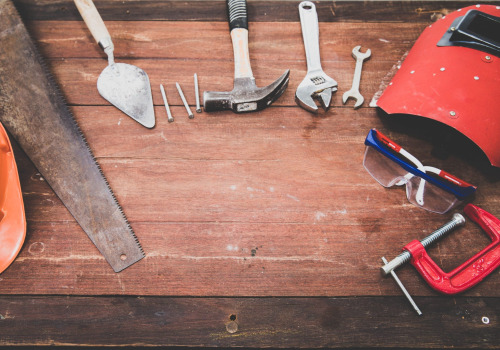
- Basic Hand Tools: A well-equipped toolbox is essential for any homeowner. Basic tools such as screwdrivers, wrenches, pliers, and hammers are necessary for performing routine maintenance tasks around the home.
- Power Tools: For more extensive repairs or installations, power tools like drills, saws, and sanders can save time and effort. Investing in quality power tools can enhance your ability to carry out preventive maintenance effectively.
- Specialty Tools: Depending on your home’s specific needs, you may require specialty tools such as a multimeter for electrical work or a pressure gauge for plumbing systems. Having these tools on hand can help you address issues promptly.
2.Software Solutions
In today’s digital age, numerous software options are available to assist homeowners in managing their preventive maintenance checklists:
- Home Maintenance Software: Programs like HomeZada or BrightNest allow homeowners to create customised maintenance schedules, track tasks, and receive reminders for upcoming maintenance activities.
- Mobile Apps: Applications such as TaskRabbit or Todoist can help homeowners organise their maintenance tasks on-the-go.
These apps often include features for setting deadlines and tracking progress.
- Inventory Management Tools: Keeping track of supplies and tools is crucial. Software like Sortly can help you manage your inventory efficiently, ensuring you have everything needed for your maintenance tasks.
3.Online Resources
The internet is a treasure trove of information that can aid homeowners in preventive maintenance:
- Tutorial Videos: Platforms like YouTube offer countless tutorials on home repairs and maintenance tasks, providing visual guidance that can be invaluable for DIY enthusiasts.
- Blogs and Forums: Websites dedicated to home improvement often feature articles and community forums where homeowners can share tips, ask questions, and learn from others’ experiences.
- Checklists and Templates: Many websites provide free downloadable templates for preventive maintenance checklists tailored to various home systems, making it easier to stay organised.
FAQs About Preventive Maintenance Checklists
Preventive maintenance checklists are essential tools for homeowners looking to maintain their properties effectively. Below are some frequently asked questions that can help clarify common misconceptions and provide valuable insights into the use of these checklists.What is a preventive maintenance checklist?
A preventive maintenance checklist is a structured list of tasks designed to ensure that all necessary maintenance activities are performed on a regular basis. This checklist helps homeowners keep track of essential home maintenance tasks, such as inspecting HVAC systems, checking smoke detectors, and cleaning gutters.By following a checklist, homeowners can prevent small issues from escalating into costly repairs.
Why is a preventive maintenance checklist important?
Having a preventive maintenance checklist is crucial for several reasons:- Organisation: It provides a clear outline of what needs to be done, making it easier to manage home upkeep.
- Cost-Effective: Regular maintenance can prevent expensive repairs in the future, saving homeowners money.
- Safety: Ensuring that systems like electrical and plumbing are regularly checked can prevent accidents and hazards.
How often should I use my preventive maintenance checklist?
The frequency of using your checklist depends on the specific tasks involved. Some tasks may need to be completed monthly, while others might be seasonal or annual. For example:- Monthly: Change air filters and check fire alarms.
- Seasonally: Inspect the roof and clean gutters.
- Annually: Schedule professional inspections for HVAC systems and plumbing.
What should I include in my preventive maintenance checklist?
Your checklist should cover all critical areas of your home. Here are some key components to consider:- HVAC Systems: Regular filter changes and system checks.
- Plumbing: Inspect for leaks and ensure proper drainage.
- Electrical Systems: Check outlets, switches, and circuit breakers.
- Exterior Maintenance: Inspect siding, roofing, and landscaping.
What if I encounter issues during my maintenance checks?
If you discover problems while using your checklist, it’s important to address them promptly.Here are some troubleshooting tips:
- Document the Issue: Take notes on what you find for future reference.
- Research Solutions: Look up potential fixes or consult with professionals if needed.
- Schedule Repairs: Don’t delay in getting repairs done to avoid further damage.
Conclusion: The Importance of Preventive Maintenance in Home Care
In summary, the significance of a preventive maintenance checklist in home care cannot be overstated. By implementing a structured approach to home maintenance, homeowners can not only prolong the lifespan of their property but also enhance its overall value. Regularly scheduled maintenance tasks, as outlined in a comprehensive checklist, serve as a proactive measure against potential issues that could lead to costly repairs down the line. One of the primary benefits of utilising a preventive maintenance checklist is the ability to identify and address minor problems before they escalate. For instance, routine inspections of plumbing systems can reveal leaks or corrosion that, if left unchecked, could result in extensive water damage.Similarly, regular checks on heating and cooling systems ensure they operate efficiently, reducing energy costs and improving comfort levels within the home. Moreover, a well-maintained home contributes significantly to the safety and well-being of its occupants. Tasks such as checking smoke detectors, inspecting electrical systems, and ensuring that all safety equipment is functional are crucial for preventing accidents and ensuring peace of mind. To effectively implement a preventive maintenance strategy, homeowners should consider creating a tailored checklist that reflects their specific needs and circumstances. This checklist should encompass seasonal tasks, such as gutter cleaning in autumn or HVAC servicing in spring, as well as monthly and annual inspections. By doing so, homeowners can establish a routine that not only keeps their property in top condition but also fosters a sense of responsibility towards their living environment. In conclusion, embracing preventive maintenance through the use of checklists is an investment in both time and resources that pays off significantly in the long run.
It empowers homeowners to take control of their property’s upkeep, ensuring that it remains a safe, comfortable, and valuable asset for years to come. Therefore, it is essential for every homeowner to take action today by developing or refining their preventive maintenance checklist and committing to regular home care practices.