House Log / Guide
Understanding Home Maintenance: Definition, Examples, and Best Practices
Explore essential home maintenance practices, types, and tips to keep your property safe, functional, and valuable. Learn more now!
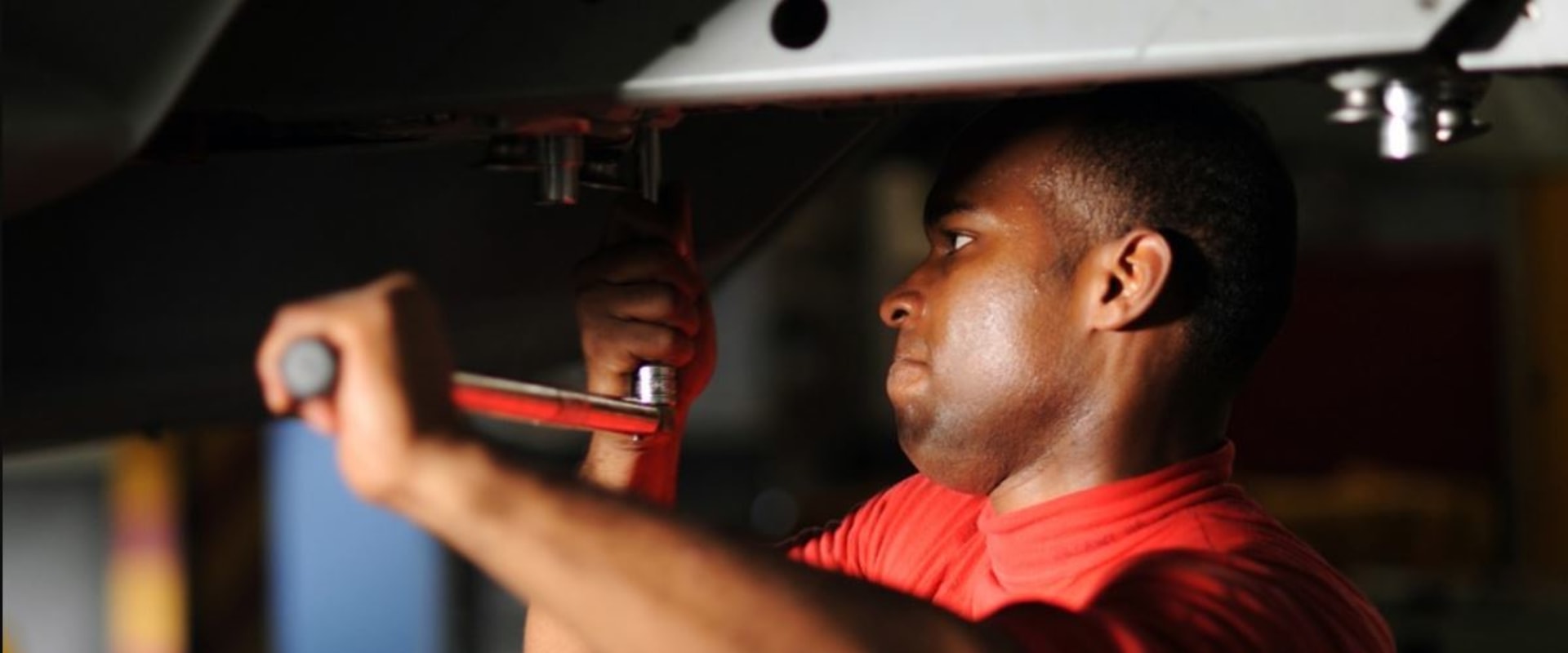
Home maintenance is a crucial aspect of property ownership that often goes overlooked until issues arise. It encompasses a wide range of activities aimed at preserving the functionality, safety, and aesthetic appeal of a home. From routine inspections to timely repairs, home maintenance plays a vital role in ensuring that your living environment remains comfortable and secure. Understanding what maintenance entails is essential for homeowners who wish to protect their investment and enhance their quality of life. The importance of home maintenance cannot be overstated.
Regular upkeep not only prevents minor issues from escalating into costly repairs but also contributes to the longevity of your property. For instance, neglecting to clean gutters can lead to water damage, while failing to service heating systems may result in inefficient energy use or even hazardous situations. By prioritising maintenance tasks, homeowners can safeguard their property’s value and ensure a safe living space for their families. Moreover, effective home maintenance fosters a sense of pride in ownership. A well-maintained home reflects care and attention, enhancing its curb appeal and potentially increasing its market value.
As we delve deeper into the various types of maintenance practices, it becomes clear that adopting a proactive approach is key. Whether through preventive measures or timely repairs, understanding the nuances of home maintenance equips homeowners with the knowledge needed to make informed decisions about their properties.
What is Home Maintenance?
Home maintenance refers to the ongoing process of keeping a residential property in good condition, ensuring that it remains safe, functional, and aesthetically pleasing. This encompasses a wide range of activities, from routine cleaning and inspections to more complex repairs and renovations. The primary goal of home maintenance is to prevent deterioration and address issues before they escalate into significant problems. There are several types of home maintenance that homeowners should be aware of:- Preventive Maintenance: This involves regular tasks aimed at preventing future issues.
Examples include cleaning gutters, servicing heating systems, and checking smoke detectors. By performing these tasks regularly, homeowners can avoid costly repairs down the line.
- Corrective Maintenance: This type of maintenance is reactive, addressing problems as they arise. For instance, if a pipe bursts or a roof leaks, corrective maintenance is necessary to fix the issue promptly and prevent further damage.
- Emergency Maintenance: Sometimes, unexpected issues occur that require immediate attention. Emergency maintenance might involve urgent repairs like fixing a broken furnace in winter or addressing a severe plumbing issue that could lead to flooding.
- Routine Maintenance: These are regular tasks that keep the home functioning smoothly.
This includes tasks like changing air filters, cleaning appliances, and checking for signs of wear and tear.
By implementing a comprehensive maintenance plan that includes preventive measures, timely repairs, and routine checks, you can ensure your home remains a safe and enjoyable place to live.
Types of Home Maintenance
Home maintenance is essential for ensuring that your living environment remains safe, functional, and aesthetically pleasing. Understanding the different types of maintenance can help homeowners make informed decisions about how to care for their properties. Below, we explore three primary types of home maintenance: preventive , corrective , and predictive .Preventive Maintenance
Preventive maintenance
involves regular, scheduled tasks aimed at preventing potential issues before they arise. This proactive approach helps to extend the lifespan of home systems and appliances while reducing the likelihood of costly repairs.
Examples of preventive maintenance include:
- Changing air filters in heating and cooling systems every few months to ensure efficient operation.
- Inspecting and cleaning gutters at least twice a year to prevent water damage.
- Scheduling annual inspections for major appliances, such as boilers or water heaters, to identify any signs of wear or malfunction.
Corrective Maintenance
Corrective maintenance
, on the other hand, is reactive in nature. It occurs after a problem has been identified and aims to restore a system or component to its proper functioning state. This type of maintenance is often unplanned and can lead to unexpected costs if not managed properly. Common examples include:
- Repairing a leaking roof after discovering water stains on the ceiling.
- Fixing a broken dishwasher that has stopped working unexpectedly.
- Replacing a faulty electrical outlet that poses a safety hazard.
Predictive Maintenance
Predictive maintenance
leverages technology to anticipate potential failures before they occur.
By using sensors and data analysis, homeowners can monitor the condition of their systems and schedule maintenance based on actual performance rather than on a fixed schedule. This approach can save time and money by addressing issues before they escalate. Examples include:
- Using smart home devices to monitor energy consumption and detect irregularities in appliance performance.
- Employing moisture sensors in basements to alert homeowners about potential flooding risks.
- Utilising HVAC monitoring systems that notify you when components are nearing failure based on usage patterns.
Preventive Maintenance: Keeping Your Home in Top Shape
Preventive maintenance is a proactive approach to home upkeep that focuses on regular inspections and maintenance tasks to prevent larger issues from arising.By investing time and resources into preventive measures, homeowners can significantly reduce the risk of costly repairs and ensure their property remains in optimal condition. One of the primary benefits of preventive maintenance is the ability to identify potential problems before they escalate. For instance, regularly checking your roof for missing shingles or signs of wear can help you catch leaks early, preventing extensive water damage and expensive repairs down the line. Similarly, inspecting your plumbing system for leaks or corrosion can save you from the headache of a burst pipe. Here are some practical examples of preventive maintenance tasks that every homeowner should consider:
- HVAC System Maintenance: Schedule annual inspections for your heating and cooling systems. Change filters regularly and clean ducts to ensure efficient operation.
- Gutter Cleaning: Clean your gutters at least twice a year to prevent blockages that can lead to water damage on your roof and foundation.
- Smoke Detector Checks: Test smoke detectors monthly and replace batteries at least once a year to ensure they function properly in case of an emergency.
- Exterior Paint Maintenance: Inspect and repaint exterior surfaces every few years to protect against weather damage and maintain curb appeal.
- Appliance Servicing: Regularly service major appliances like refrigerators, washing machines, and ovens to extend their lifespan and improve efficiency.
Properties that are well-maintained tend to attract higher offers when it comes time to sell. Moreover, a consistent maintenance routine fosters a sense of pride in homeownership, as you actively contribute to the longevity and beauty of your living space. In conclusion, preventive maintenance is an essential practice for homeowners looking to safeguard their investment. By taking proactive steps today, you can enjoy peace of mind knowing that your home is well cared for, ultimately saving you time and money in the long run.
Corrective Maintenance: Addressing Issues as They Arise
Corrective maintenance is a crucial aspect of home maintenance that focuses on addressing issues as they arise. Unlike preventive maintenance, which aims to prevent problems before they occur, corrective maintenance is reactive in nature.It comes into play when a system or component fails or shows signs of malfunction, necessitating immediate attention to restore functionality. Homeowners often encounter situations where corrective maintenance is required. Here are some common examples:
- Leaking Pipes: A sudden leak in a plumbing system can lead to water damage and mould growth if not addressed promptly. Corrective maintenance involves identifying the source of the leak, repairing or replacing damaged pipes, and ensuring that the plumbing system is functioning correctly.
- Heating System Failures: During the colder months, a malfunctioning boiler or heating system can leave a home uncomfortably cold. Corrective maintenance in this scenario would involve diagnosing the issue—be it a faulty thermostat, broken pump, or blocked flue—and performing the necessary repairs to restore heat.
- Electrical Issues: Flickering lights or tripped circuit breakers are signs of electrical problems that require immediate corrective action.
Homeowners may need to call an electrician to inspect wiring, replace faulty outlets, or upgrade circuit breakers to ensure safety and compliance with regulations.
- Roof Leaks: A damaged roof can lead to significant structural issues if not repaired quickly. Corrective maintenance would involve assessing the extent of the damage, replacing missing shingles, sealing leaks, and possibly conducting a more thorough inspection for underlying issues.
- The failure of a component poses a risk to safety or health.
- A malfunction disrupts daily activities or essential services within the home.
- Visible signs of wear and tear indicate that immediate action is required to prevent further damage.
Predictive Maintenance: The Future of Home Care
In the realm of home maintenance, predictive maintenance represents a significant advancement, leveraging technology to foresee potential issues before they escalate into costly repairs.This proactive approach not only enhances the longevity of home systems but also ensures a safer and more efficient living environment. At its core, predictive maintenance utilises data analytics and advanced monitoring tools to assess the condition of various home systems, such as HVAC units, plumbing, and electrical systems. By employing sensors and IoT (Internet of Things) devices, homeowners can gather real-time data on the performance and health of their appliances. This data is then analysed to identify patterns and predict when a system is likely to fail.
Key Technologies in Predictive Maintenance
- IoT Sensors: These devices monitor various parameters like temperature, humidity, and pressure, providing valuable insights into the operational status of home systems.
- Data Analytics Software: Advanced algorithms process the data collected from sensors to identify trends and predict failures before they occur.
- Mobile Applications: Homeowners can access real-time information about their systems through user-friendly apps, allowing for immediate action if necessary.
By addressing issues proactively, homeowners can avoid the inconvenience and expense associated with emergency repairs. Secondly, predictive maintenance optimises energy efficiency. Systems that are regularly monitored and maintained operate more efficiently, leading to lower utility bills. Moreover, this approach extends the lifespan of home appliances. Regularly identifying and rectifying minor issues prevents them from developing into major problems that could necessitate costly replacements.
Lastly, predictive maintenance enhances safety; by ensuring that systems are functioning correctly, homeowners can mitigate risks associated with faulty equipment. In conclusion, as technology continues to evolve, the integration of predictive maintenance into home maintenance practices will undoubtedly become more prevalent. Embracing these innovations not only safeguards your investment but also contributes to a more sustainable and efficient home environment.
The Importance of Regular Inspections and Assessments
Regular inspections and assessments are crucial components of effective home maintenance. These proactive measures not only help in identifying potential issues before they escalate but also ensure that your home remains a safe and comfortable environment. By conducting routine checks, homeowners can uncover hidden problems that may not be immediately visible, such as structural weaknesses, plumbing leaks, or electrical faults. One of the primary benefits of regular assessments is the early detection of issues.For instance, a small leak in a roof can lead to significant water damage if left unchecked. During an inspection, a trained professional can spot such leaks and recommend timely repairs, saving homeowners from costly renovations down the line. Additionally, regular inspections can help in maintaining the overall value of the property, as well-maintained homes are more appealing to potential buyers. Moreover, regular home inspections can enhance safety. For example, checking smoke detectors and carbon monoxide alarms ensures that these critical safety devices are functioning correctly.
This simple step can be life-saving and is often overlooked in routine home care. Another advantage of regular assessments is the opportunity to plan for future maintenance needs. By understanding the current condition of various systems within the home—such as heating, ventilation, and air conditioning (HVAC)—homeowners can budget for necessary upgrades or replacements. This foresight allows for smoother financial planning and reduces the likelihood of unexpected expenses. In summary, prioritising regular inspections and assessments in your home maintenance routine is essential for safeguarding your investment. Not only do these practices help in identifying potential problems early on, but they also contribute to a safer living environment and better long-term financial planning.
DIY vs Professional Home Maintenance: What You Need to Know
When it comes to home maintenance, homeowners often face the dilemma of whether to tackle repairs and upkeep themselves or hire professionals.Understanding the nuances of both approaches can help you make informed decisions that save time, money, and stress.
DIY Home Maintenance Tips
Engaging in do-it-yourself (DIY) home maintenance can be rewarding and cost-effective. Here are some essential tips for homeowners considering this route:- Start Small: Begin with manageable tasks such as changing light fixtures, painting walls, or fixing minor leaks. These projects can build your confidence and skills.
- Research Thoroughly: Before starting any project, conduct thorough research. Online tutorials, videos, and forums can provide valuable insights and step-by-step guidance.
- Invest in Quality Tools: Having the right tools can make a significant difference.
Invest in basic tools like a drill, screwdriver set, and measuring tape to handle various tasks effectively.
- Prioritise Safety: Always prioritise safety by wearing appropriate gear and following safety guidelines. If a task seems too dangerous or complex, it’s best to reconsider.
When to Hire Professionals
While DIY can be beneficial, there are situations where hiring a professional is the best course of action:- Complex Repairs: For intricate issues such as electrical work, plumbing problems, or structural repairs, it’s wise to hire licensed professionals who have the expertise and experience.
- Lack of Time: If your schedule is packed and you cannot dedicate time to home maintenance tasks, hiring a professional can ensure that necessary repairs are completed promptly.
- Specialised Skills Required: Some tasks require specialised knowledge or tools that the average homeowner may not possess. In these cases, professionals can provide the necessary expertise.
- Safety Concerns: If a task poses significant safety risks—such as working at heights or dealing with hazardous materials—it's best to leave it to the experts.
Common Home Maintenance Tasks and Their Frequency
Home maintenance is essential for preserving the value and functionality of your property.Regular upkeep not only enhances the aesthetic appeal of your home but also prevents costly repairs in the long run. Below is a list of common home maintenance tasks along with their recommended frequencies to help you stay on top of your home care.
- Inspect and clean gutters: Every 6 months
- Change air filters: Every 1 to 3 months
- Check smoke and carbon monoxide detectors: Monthly
- Test your sump pump: Annually
- Inspect roof for damage: Annually
- Clean refrigerator coils: Every 6 months
- Service heating and cooling systems: Annually
- Flush water heater: Annually
- Check for leaks in plumbing: Quarterly
- Inspect windows and doors for drafts: Annually
Conclusion: The Key Takeaways on Home Maintenance
In summary, home maintenance is an essential aspect of homeownership that cannot be overlooked.It encompasses a variety of tasks aimed at preserving the functionality, safety, and aesthetic appeal of your property. By adopting a proactive approach to maintenance, homeowners can significantly reduce the risk of costly repairs and enhance the longevity of their homes. One of the key takeaways is the importance of preventive maintenance. This strategy involves regular inspections and timely interventions that help identify potential issues before they escalate into major problems. For instance, routine checks on your heating and cooling systems can prevent unexpected breakdowns during extreme weather conditions, ensuring comfort and safety for your family. Moreover, understanding the different types of maintenance—such as corrective , reactive , and predictive maintenance —allows homeowners to tailor their approach based on specific needs and circumstances.
Each type serves a unique purpose, and knowing when to apply them can lead to more efficient management of home resources. Additionally, leveraging technology through maintenance management software can streamline the process. These tools not only help in scheduling tasks but also in tracking progress and maintaining records of all interventions. This data-driven approach enables homeowners to make informed decisions regarding their property. Ultimately, a well-maintained home not only enhances your living experience but also increases property value over time. By prioritising home maintenance, you are investing in your home’s future, ensuring it remains a safe and welcoming environment for years to come. In conclusion, embracing a comprehensive maintenance strategy is vital for every homeowner.
It fosters peace of mind, protects your investment, and contributes to a sustainable living environment.