House Log / Guide
Understanding Home Maintenance: A Comprehensive Guide
Explore the importance of home maintenance, key areas to focus on, and tips for creating a maintenance schedule to protect your investment.
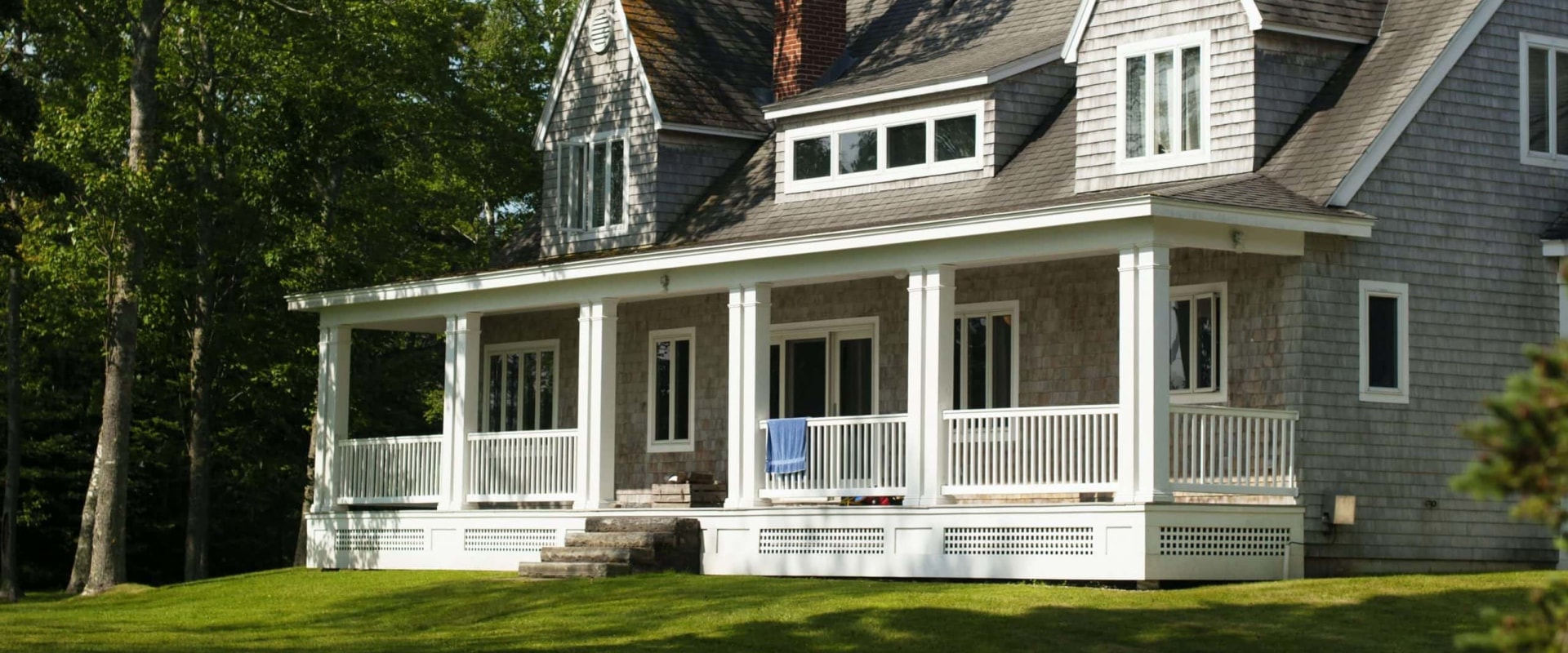
Home maintenance is a comprehensive term that encompasses a variety of tasks aimed at preserving the functionality, safety, and aesthetic appeal of a property. It involves regular inspections, repairs, and upgrades to ensure that every aspect of your home operates efficiently. For instance, if you have outdoor furniture, you might wonder, "Can rattan furniture rain?" This consideration is important for maintaining its appearance and longevity. From checking the integrity of your roof to ensuring that your plumbing systems are functioning correctly, Home maintenance is a comprehensive term that encompasses a variety of tasks aimed at preserving the functionality, safety, and aesthetic appeal of a property. It involves regular inspections, repairs, and upgrades to ensure that every aspect of your home operates efficiently. For instance, if you have outdoor furniture, you might wonder, "Can rattan furniture rain?" This consideration is important for maintaining its appearance and longevity. From checking the integrity of your roof to ensuring that your plumbing systems are functioning correctly, home maintenance is essential for safeguarding your investment and enhancing your living environment. The significance of home maintenance cannot be overstated.
Regular upkeep not only prevents minor issues from escalating into major problems but also plays a crucial role in maintaining the value of your property. A well-maintained home is more attractive to potential buyers and can command a higher price in the market. Furthermore, neglecting maintenance tasks can lead to costly repairs down the line, which can strain your finances and disrupt your daily life. In addition to financial implications, home maintenance is vital for ensuring the safety and comfort of those who reside within. Regular checks on electrical systems, heating and cooling units, and structural elements help mitigate risks associated with malfunctions or failures.
By prioritising home maintenance , homeowners can create a safe haven for their families while also contributing to the longevity of their property. Ultimately, understanding what home maintenance entails is the first step towards establishing a proactive approach to caring for your home. By recognising its importance, you can develop a structured maintenance plan that not only preserves your property but also enhances your quality of life.
The Importance of Home Maintenance
Regular home maintenance is not merely a chore; it is a vital practice that significantly impacts the overall health and longevity of your property. By prioritising these tasks, homeowners can enjoy a multitude of benefits that extend beyond mere aesthetics. One of the most compelling reasons to engage in consistent home maintenance is the enhancement of property value. A well-maintained home not only attracts potential buyers but also commands a higher selling price.Regular upkeep, such as painting, landscaping, and roof inspections, can prevent minor issues from escalating into major repairs that could deter buyers or diminish your home’s market value. Moreover, home maintenance plays a crucial role in ensuring the safety of its occupants. Neglected areas, such as electrical systems, plumbing, and structural integrity, can pose significant risks. For instance, faulty wiring can lead to electrical fires, while leaky pipes may cause water damage and mould growth. By routinely checking and maintaining these systems, homeowners can mitigate risks and create a safer living environment. Another important aspect is the longevity of systems and appliances within the home.
Regular maintenance helps to extend the lifespan of essential components such as heating and cooling systems, plumbing fixtures, and kitchen appliances. For example, changing air filters in HVAC systems not only improves air quality but also enhances energy efficiency, reducing utility bills over time. In addition to these practical benefits, engaging in home maintenance fosters a sense of pride and ownership among homeowners. A well-cared-for home reflects personal values and commitment to one’s living space. This emotional connection can enhance overall satisfaction with your property. In conclusion, the importance of home maintenance cannot be overstated.
From increasing property value and ensuring safety to prolonging the life of essential systems, regular upkeep is an investment that pays dividends in both tangible and intangible ways. Homeowners should view these tasks not as burdens but as opportunities to protect their investment and enhance their quality of life.
Key Areas of Home Maintenance
Home maintenance encompasses a variety of tasks that ensure the safety, functionality, and aesthetic appeal of your property. Regular attention to key areas not only preserves the value of your home but also enhances your living experience. Below are some critical areas of home maintenance that every homeowner should prioritise.1.Plumbing
Plumbing systems are vital for the daily functioning of your home.Regular checks can prevent leaks, clogs, and water damage. Essential plumbing maintenance tasks include:
- Inspecting pipes for leaks or corrosion.
- Checking water pressure and adjusting as necessary.
- Cleaning out drains to prevent blockages.
- Flushing the water heater annually to remove sediment buildup.
2.Electrical Systems
Your home's electrical system is crucial for safety and convenience. Regular maintenance can help avoid electrical fires and ensure that all appliances function correctly. Key tasks include:- Testing smoke detectors and replacing batteries as needed.
- Inspecting outlets for signs of wear or damage.
- Ensuring that circuit breakers are functioning properly.
- Scheduling a professional inspection every few years.
3.Roofing
The roof is your home's first line of defence against the elements.Regular inspections can identify potential issues before they escalate into costly repairs. Important roofing maintenance tasks include:
- Checking for missing or damaged shingles.
- Cleaning gutters to prevent water damage.
- Inspecting flashing around chimneys and vents for leaks.
- Scheduling a professional roof inspection every few years.
4.Landscaping
A well-maintained garden not only enhances curb appeal but also contributes to the overall health of your property. Essential landscaping tasks include:- Mowing the lawn regularly and aerating it as needed.
- Trimming trees and shrubs to promote healthy growth.
- Weeding flower beds and applying mulch to retain moisture.
- Inspecting irrigation systems for leaks or blockages.
5.Home Maintenance Checklist
A comprehensive home maintenance checklist can help you stay organised and ensure that no critical tasks are overlooked. Here’s a simple framework:- Monthly:
- Test smoke alarms and carbon monoxide detectors.
- Inspect HVAC systems before summer and winter.
- Schedule professional inspections for plumbing, electrical, and roofing systems.
Seasonal Home Maintenance Tasks
Maintaining a home is an ongoing process that varies with the seasons.Each season presents unique challenges and opportunities for homeowners to ensure their properties remain in optimal condition. Below is a breakdown of essential maintenance tasks tailored to each season, helping you to effectively plan your home care schedule.
Spring Maintenance Tasks
As the weather warms up, spring is the perfect time to tackle various maintenance tasks that have been neglected during the colder months. Here are some key activities to consider:- Inspect the Roof: Check for any damage caused by winter storms, such as missing or broken shingles. Early detection can prevent costly repairs later.
- Clean Gutters and Downspouts: Remove debris to ensure proper drainage and prevent water damage to your home’s foundation.
- Service HVAC Systems: Schedule a professional inspection and cleaning of your heating and cooling systems to ensure they operate efficiently.
- Check Windows and Doors: Inspect seals and caulking for any wear and tear, replacing them as necessary to improve energy efficiency.
- Garden Preparation: Start planting flowers and vegetables, and check irrigation systems for functionality.
Summer Home Care Tips
Summer brings warmer temperatures, making it an ideal time for outdoor maintenance.Focus on these tasks:
- Exterior Painting: If your home needs a fresh coat of paint, summer is the best time to do it. Ensure surfaces are clean and dry before application.
- Lawn Care: Regular mowing, watering, and fertilising will keep your lawn healthy. Consider aerating the soil for better nutrient absorption.
- Inspect Outdoor Equipment: Check tools like lawnmowers and grills for any needed repairs or maintenance before heavy use.
- Pest Control: Monitor for signs of pests around your home and take preventive measures to keep them at bay.
Autumn Maintenance Tasks
As leaves begin to fall, autumn is a crucial time for preparing your home for winter. Key tasks include:- Clean Gutters Again: Ensure gutters are clear of leaves and debris to prevent blockages during heavy rains.
- Winterize Outdoor Faucets: Drain and shut off outdoor taps to prevent freezing pipes.
- Inspect Heating Systems: Before the cold sets in, have your heating system serviced to ensure it’s ready for use.
- Check Insulation: Inspect insulation in attics and basements, adding more if necessary to keep heating costs down.
Winter Home Care Tips
The winter months can be harsh on homes, so it’s essential to stay proactive with maintenance tasks:-
Monitor Heating Systems: Regularly check that your heating system is functioning properly.
Replace filters as needed for optimal performance.
- Prevent Ice Dams: Keep gutters clear of snow and ice to prevent water from backing up under shingles.
- Check Smoke Detectors: Test smoke alarms monthly and replace batteries as needed to ensure safety during winter months when heating systems are in use.
- Pipes Protection: Insulate exposed pipes in unheated areas to prevent freezing and bursting during extreme cold spells.
DIY vs Professional Home Maintenance
When it comes to home maintenance, homeowners often face the dilemma of whether to tackle tasks themselves or hire professionals. Both approaches have their merits and drawbacks, and understanding these can help you make informed decisions about your property care.Advantages of DIY Home Maintenance
One of the primary benefits of DIY home maintenance is cost savings. By handling repairs and upkeep yourself, you can avoid labour costs associated with hiring professionals. Additionally, many homeowners find satisfaction in completing tasks independently, which can enhance their skills and confidence in managing their property. Another advantage is flexibility.You can schedule maintenance tasks at your convenience, allowing you to fit them into your busy life without waiting for a contractor's availability. Simple tasks such as painting, gardening, or minor repairs can often be completed with minimal tools and materials.
Disadvantages of DIY Home Maintenance
However, there are significant downsides to consider. Not all home maintenance tasks are suitable for DIY enthusiasts. Complex issues, such as electrical work or plumbing repairs, may require specialised knowledge and tools that the average homeowner lacks.Attempting these tasks without proper expertise can lead to costly mistakes or even safety hazards.
When to Hire a Professional
Knowing when to seek professional help is crucial for effective home maintenance. If a task requires specialised skills or poses safety risks, it’s wise to hire a qualified contractor. For instance, major electrical installations, roof repairs, or extensive plumbing work should be left to professionals who have the necessary training and experience. Additionally, if you find yourself overwhelmed by the scope of a project or lack the time to dedicate to it, hiring a professional can alleviate stress and ensure the job is done correctly. Professionals also often provide warranties on their work, giving you peace of mind that any issues will be addressed without additional costs.Conclusion
Ultimately, the decision between DIY home maintenance and hiring professionals depends on your skills, the complexity of the task, and your budget.By weighing the pros and cons carefully, you can create a balanced approach that keeps your home in excellent condition while also managing your resources effectively.
Creating a Home Maintenance Schedule
Creating a comprehensive home maintenance schedule is essential for ensuring that your property remains in optimal condition throughout the year. A well-structured plan not only helps you stay organised but also prevents minor issues from escalating into costly repairs. Here are some practical tips to help you develop an effective maintenance plan.1.Assess Your Home's Needs
Begin by evaluating the specific requirements of your home. Consider factors such as:- The age of your property
- The type of materials used in construction
- Your local climate and weather conditions
- Any previous maintenance issues
2.Create a Seasonal Checklist
Divide your maintenance tasks into seasonal categories.This approach allows you to focus on relevant tasks at specific times of the year. Here’s a basic outline:
- Spring: Inspect the roof, clean gutters, service air conditioning units, and check for any signs of pests.
- Summer: Maintain landscaping, check outdoor lighting, and inspect windows and doors for proper sealing.
- Autumn: Clean and inspect the chimney, prepare heating systems, and ensure that outdoor faucets are winterised.
- Winter: Monitor heating systems, check insulation, and inspect for ice damming on roofs.
3.Set Reminders
Utilise digital tools or traditional calendars to set reminders for each task. This will help you stay on track and ensure that no important maintenance activities are overlooked. Consider using apps designed for home management that can send notifications when tasks are due.4.Document Everything
Keep a detailed record of all maintenance activities, including dates, costs, and any repairs made.This documentation can be invaluable when selling your home or when assessing the overall condition of your property over time.
5.Review and Adjust Regularly
Your home maintenance schedule should be a living document that evolves with your home’s needs. Regularly review and adjust your plan based on changes in your property or lifestyle. For instance, if you add new appliances or make renovations, update your schedule accordingly. By following these steps, you can create a robust home maintenance schedule that not only protects your investment but also enhances the comfort and safety of your living environment.Common Home Maintenance Mistakes to Avoid
Home maintenance is essential for preserving the value and functionality of your property. However, many homeowners fall into common traps that can lead to costly repairs and diminished home value.Understanding these pitfalls is crucial for effective home care.
Neglecting Regular Inspections
One of the most significant mistakes homeowners make is failing to conduct regular inspections of their property. Areas such as roofs, gutters, and plumbing systems require periodic checks to identify potential issues before they escalate. For instance, a small leak in a roof can lead to extensive water damage if left unchecked. Schedule seasonal inspections to catch problems early.Ignoring Preventive Maintenance
Preventive maintenance is often overlooked, yet it is vital for the longevity of your home’s systems.This includes tasks like changing air filters, cleaning gutters, and servicing heating and cooling systems. By neglecting these simple tasks, you risk more severe issues that could require expensive repairs. For example, a clogged gutter can lead to water damage in your home’s foundation.
Overlooking Exterior Maintenance
The exterior of your home is your first line of defence against the elements. Failing to maintain siding, windows, and doors can result in energy inefficiency and increased utility bills.Regularly check for cracks or gaps that may allow drafts or moisture to enter your home. Repainting or sealing surfaces can also protect against weather damage.
DIY Repairs Gone Wrong
While DIY projects can save money, they can also lead to costly mistakes if not done correctly. Homeowners often underestimate the complexity of certain repairs, leading to subpar work that may require professional intervention later. If you are unsure about a repair task, it’s wise to consult with or hire a professional.Neglecting Landscaping
A well-maintained garden not only enhances curb appeal but also protects your home from potential issues.Overgrown trees and shrubs can damage roofing or siding and create pest problems. Regularly trim plants and ensure that they are not obstructing drainage systems.
Failing to Keep Records
Keeping detailed records of maintenance tasks and repairs is often overlooked but is essential for effective home management. Documenting when services were performed helps you stay on schedule with future maintenance and provides valuable information if you decide to sell your home. By avoiding these common home maintenance mistakes, you can protect your investment and ensure that your home remains a safe and comfortable place for years to come.FAQs About Home Maintenance
Home maintenance can often seem overwhelming, especially for first-time homeowners. To help clarify some of the most common concerns, we’ve compiled a list of frequently asked questions regarding home upkeep.What is home maintenance?
Home maintenance
refers to the routine tasks and repairs necessary to keep a home in good condition.
This includes everything from seasonal inspections to minor repairs and upgrades. Regular maintenance helps prevent larger issues from developing, ultimately saving homeowners time and money.
How often should I perform home maintenance?
The frequency of home maintenance tasks can vary based on the specific task and the season. Here’s a general guideline:- Monthly: Check smoke detectors, replace air filters, and inspect fire extinguishers.
- Quarterly: Clean gutters, check for leaks in plumbing, and inspect HVAC systems.
- Annually: Schedule professional inspections for your roof, chimney, and major appliances.
What are the most important areas to focus on for home maintenance?
While all aspects of a home require attention, some areas are particularly crucial:- Roof: Regular inspections can prevent leaks and costly repairs.
- Plumbing: Addressing leaks promptly can save water and prevent damage.
- Electrical systems: Ensure all wiring is up to code and functioning safely.
Can I do home maintenance myself?
Many homeowners choose to handle basic maintenance tasks themselves, such as changing air filters or cleaning gutters. However, for more complex issues like electrical work or structural repairs, it’s advisable to hire a professional to ensure safety and compliance with local regulations.What are the benefits of regular home maintenance?
Regular home maintenance not only enhances the aesthetic appeal of your property but also:- Increases property value: A well-maintained home is more attractive to potential buyers.
- Saves money: Preventative measures can reduce the likelihood of costly repairs in the future.
- Improves safety: Regular checks can identify hazards before they become serious issues.
Conclusion: The Value of Regular Home Maintenance
In summary, the significance of regular home maintenance cannot be overstated.It serves as the backbone of a well-functioning household, ensuring that every component operates efficiently and safely. By adhering to a structured maintenance schedule, homeowners can not only preserve the aesthetic appeal of their properties but also safeguard their investment over time. One of the primary benefits of consistent home maintenance is the enhancement of property value. A home that is regularly maintained is more attractive to potential buyers, as it reflects care and attention to detail. This proactive approach can lead to higher resale values, making it a wise financial decision for homeowners looking to sell in the future. Moreover, regular maintenance plays a crucial role in preventing costly repairs down the line.
By identifying and addressing minor issues before they escalate into major problems, homeowners can save significant amounts of money. For instance, routine inspections of plumbing systems can prevent leaks that might otherwise lead to extensive water damage and mould growth. Safety is another paramount concern that underscores the importance of home maintenance. Regular checks on electrical systems, heating units, and structural integrity help mitigate risks associated with fires, carbon monoxide poisoning, and other hazards. Ensuring that these systems are functioning correctly not only protects the occupants but also contributes to peace of mind. Additionally, maintaining a home fosters a sense of pride and ownership.
Homeowners who invest time and effort into their properties often develop a deeper connection to their living spaces. This emotional investment can enhance overall satisfaction with one’s home environment. In conclusion, establishing a comprehensive home maintenance plan is essential for anyone looking to protect their property and ensure its longevity. By prioritising regular upkeep, homeowners can enjoy a safe, beautiful, and valuable living space for years to come.