House Log / Guide
The Importance of Saving for Home Maintenance: A Comprehensive Guide
Learn why saving for home maintenance is crucial. Discover budgeting tips and common tasks to keep your home in top condition.

Home maintenance is a crucial aspect of homeownership that often goes overlooked until issues arise. It encompasses a wide range of tasks and responsibilities aimed at preserving the functionality, safety, and aesthetic appeal of your property. From routine inspections to seasonal upkeep, understanding what home maintenance entails is essential for every homeowner. Not only does it help in maintaining the value of your property, but it also ensures a safe living environment for you and your family. The importance of home maintenance cannot be overstated.
Regular upkeep can prevent minor issues from escalating into major repairs, which can be both costly and time-consuming. For instance, neglecting to clean gutters can lead to water damage, while failing to service heating systems may result in breakdowns during the coldest months. By prioritising maintenance tasks, homeowners can save money in the long run and avoid the stress associated with unexpected repairs. Moreover, a well-maintained home not only enhances your quality of life but also contributes positively to the overall neighbourhood. Properties that are cared for tend to retain their value better than those that are neglected.
This is particularly important if you ever plan to sell your home; potential buyers are more likely to be attracted to a property that shows signs of regular maintenance and care. Therefore, understanding the significance of home maintenance is the first step towards effective budgeting and planning for future expenses.
The One Percent Rule: A Starting Point for Budgeting
When it comes to budgeting for home maintenance, the one percent rule serves as a widely accepted guideline for homeowners. This rule suggests that you should allocate at least one percent of your home’s total value each year specifically for maintenance and repairs. For instance, if your home is valued at £250,000, you would set aside £2,500 annually.This figure provides a solid foundation for understanding the financial commitment required to keep your home in good condition. The rationale behind the one percent rule is straightforward: it accounts for the routine upkeep necessary to maintain a home’s functionality and aesthetic appeal. Regular maintenance tasks can include everything from servicing heating systems and cleaning gutters to painting and landscaping. By adhering to this guideline, homeowners can proactively manage their finances and avoid the stress of unexpected repair costs. However, it’s essential to recognise that the one percent rule may not be universally applicable. Homes vary significantly in age, condition, and location, which can all influence maintenance costs.
For example:
- Older Homes: If you own an older property, you might find that maintenance costs exceed one percent of its value. In such cases, budgeting around three to four percent annually is advisable due to the increased likelihood of repairs and replacements.
- Newer Homes: Conversely, newer homes often require less immediate maintenance, making the one percent rule a more suitable benchmark.
- Location Factors: The geographical location of your home can also impact maintenance needs. Homes in areas with extreme weather conditions may require more frequent repairs or upgrades.
This proactive approach not only helps you adhere to the one percent guideline but also prepares you for any unexpected expenses that may arise. In conclusion, while the one percent rule provides a useful starting point for home maintenance budgeting, it’s crucial to tailor your savings strategy based on your specific circumstances. By understanding the unique needs of your home and adjusting your budget accordingly, you can ensure that you are financially prepared for both routine maintenance and unforeseen repairs.
Factors Influencing Home Maintenance Costs
When it comes to budgeting for home maintenance, several key factors can significantly influence the overall costs. Understanding these elements is crucial for homeowners aiming to set realistic financial expectations and ensure their properties remain in good condition.Age of the Property
The age of your home is one of the most significant determinants of maintenance costs. Older homes often require more frequent repairs and updates due to wear and tear over the years.For instance, systems such as plumbing, electrical wiring, and roofing may need replacement or extensive repairs as they age. Homeowners should anticipate higher maintenance budgets for properties that are:
- Over 20 years old: These homes may have outdated systems that do not meet current standards, necessitating upgrades.
- Over 50 years old: Such properties often require significant renovations, including structural repairs and modernisation of amenities.
Geographical Location
Your home's location plays a pivotal role in determining maintenance costs. Different regions face unique environmental challenges that can affect the longevity of building materials and systems. For example:- Coastal Areas: Homes near the sea are susceptible to saltwater corrosion, which can damage metal fixtures and require more frequent painting and repairs.
- Cold Climates: Properties in colder regions may experience issues like frozen pipes or roof damage from heavy snow loads, leading to increased maintenance needs.
- Urban vs.
Rural:
Urban homes might face higher costs due to stricter building codes and regulations, while rural properties may incur additional expenses related to pest control or septic system maintenance.
Specific Features of the Home
The unique characteristics of your home can also impact maintenance costs. Homes with complex architectural designs or high-end materials often require specialised care. Consider the following:- Roof Type: A flat roof may need more frequent inspections and repairs compared to a pitched roof due to water pooling issues.
- Landscaping: Extensive gardens or outdoor features like pools can increase maintenance demands, requiring regular upkeep to prevent deterioration.
- Smart Home Technology: While these systems can enhance convenience, they may also require specialised knowledge for repairs and updates.
Calculating Your Home Maintenance Budget
Calculating a realistic budget for home maintenance is essential for every homeowner.It ensures that you are prepared for both routine upkeep and unexpected repairs. Here are some effective methods to help you determine how much you should set aside each year.
Using the Percentage of Home Value
A widely accepted guideline is to allocate between 1% and 4% of your home's value annually for maintenance. For instance, if your home is valued at £250,000, you should aim to save between £2,500 and £10,000 each year. The exact percentage can depend on various factors:- Age of the Home: Older homes typically require more maintenance due to wear and tear.
- Location: Homes in areas with harsh weather conditions may incur higher maintenance costs.
- Previous Maintenance History: If the previous owner neglected upkeep, you might need to budget more initially.
Calculating Based on Square Footage
Another method involves calculating your budget based on the square footage of your home.A common rule of thumb is to save around £1 per square foot annually. For example, if your home is 1,500 square feet, you should aim to set aside approximately £1,500 each year for maintenance. This method can be particularly useful for homeowners who prefer a straightforward calculation.
Setting Savings Goals
Once you have a rough estimate of your annual maintenance budget, it’s crucial to set specific savings goals. Here are some tips to help you:- Create a Separate Savings Account: Open a dedicated account for home maintenance savings.
This will help you keep track of your funds and prevent accidental spending.
- Break It Down Monthly: Divide your annual budget by 12 to determine how much you need to save each month. This makes it easier to incorporate into your monthly expenses.
- Adjust as Necessary: Review your budget annually and adjust based on any changes in your home’s condition or market value.
Common Home Maintenance Tasks and Their Costs
Understanding the common home maintenance tasks and their associated costs is crucial for homeowners looking to budget effectively. Regular maintenance not only preserves the value of your property but also prevents more significant, costly repairs down the line. Below is a list of typical home maintenance tasks along with their estimated costs, which can help you allocate your budget wisely.1.Roof Maintenance
Regular roof inspections and maintenance are essential to prevent leaks and structural damage.Homeowners should budget approximately £200 to £500 annually for inspections and minor repairs, depending on the size and condition of the roof.
2.Gutter Cleaning
Clogged gutters can lead to water damage and pest infestations. It is advisable to clean gutters at least twice a year, with costs ranging from £50 to £150 per cleaning.3.HVAC System Servicing
Your heating, ventilation, and air conditioning (HVAC) system requires regular servicing to ensure efficiency and longevity. Homeowners should expect to pay around £75 to £150 for annual maintenance checks.4.Plumbing Inspections
Routine plumbing checks can help identify leaks or potential issues before they escalate. Budgeting about £100 to £300 annually for inspections and minor repairs is advisable.5.Exterior Painting
A fresh coat of paint not only enhances curb appeal but also protects your home from the elements.Depending on the size of your home, exterior painting can cost between £1,000 and £3,000, typically every 5 to 10 years.
6.Lawn Care and Landscaping
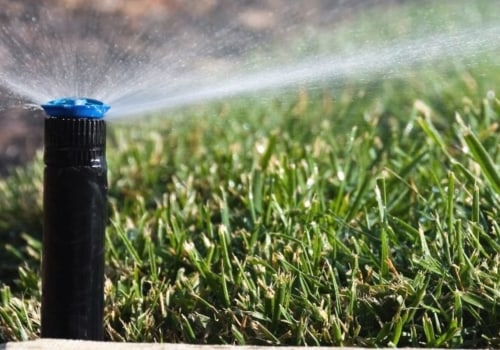
Maintaining your garden and landscaping is vital for aesthetic appeal and property value. Annual costs for lawn care services can range from £300 to £1,000, depending on the size of your garden and the services required.7.Pest Control
Pest infestations can lead to significant damage if not addressed promptly. Regular pest control treatments may cost between £100 and £300 per year.8.Appliance Maintenance
Your home appliances also require regular upkeep. Setting aside around £100 to £200 annually for servicing major appliances like refrigerators, ovens, and washing machines can help extend their lifespan. By understanding these common home maintenance tasks and their costs, homeowners can create a more accurate budget that anticipates future expenses, ensuring that their homes remain safe, functional, and aesthetically pleasing.The Importance of Regular Maintenance vs.
Major Repairs
When it comes to maintaining your home, understanding the distinction between regular maintenance and major repairs is crucial. Regular maintenance involves routine tasks that keep your home in good condition, while major repairs are often unexpected and can be significantly more costly.
Regular maintenance
is essential for several reasons. Firstly, it helps to identify potential issues before they escalate into major problems. For instance, a small leak in a roof can lead to extensive water damage if not addressed promptly.
By conducting regular inspections and maintenance, homeowners can catch these issues early, saving both time and money in the long run. Moreover, routine upkeep contributes to the longevity of your home’s systems and structures. Regularly servicing your heating system, for example, not only ensures it operates efficiently but also extends its lifespan. This proactive approach can prevent the need for costly replacements down the line.
Cost Comparison of Repairs
In terms of financial implications, the cost comparison between regular maintenance and major repairs is stark. According to industry experts, homeowners should budget approximately 1% to 4% of their home’s value annually for maintenance.In contrast, major repairs can often run into thousands of pounds. For example, replacing a roof can cost anywhere from £5,000 to £15,000 depending on the size and materials used. Additionally, neglecting regular maintenance can lead to a domino effect of issues that compound over time. A simple task like cleaning gutters can prevent water damage to your foundation; failing to do so may result in expensive structural repairs later. Ultimately, investing in routine upkeep not only safeguards your home but also enhances its value. Homes that are well-maintained tend to sell for higher prices compared to those that have been neglected.
Therefore, prioritising regular maintenance is not just about avoiding immediate costs; it’s about ensuring the long-term health and value of your property.
Saving Strategies for Home Maintenance Funds
Establishing a robust savings strategy for home maintenance is essential for every homeowner. By proactively setting aside funds, you can ensure that your home remains in good condition without the stress of unexpected financial burdens. Here are some effective strategies to help you build a dedicated maintenance fund:- Create a Dedicated Savings Account: Open a separate savings account specifically for home maintenance. This will help you keep track of your savings and prevent the funds from being spent on other expenses.
Look for an account with a competitive interest rate to maximise your savings.
- Automate Your Savings: Set up automatic transfers from your main account to your dedicated maintenance fund. By scheduling these transfers monthly, you can ensure that you consistently contribute to your savings without having to think about it. This method also helps in building a habit of saving.
- Budget for Maintenance: Incorporate home maintenance into your overall budget. Allocate a specific percentage of your income or a fixed amount each month towards this fund.
As mentioned earlier, aiming for 1% to 4% of your home's value annually can provide a solid foundation for your budget.
- Prioritise Repairs and Maintenance: Keep a list of potential repairs and maintenance tasks that may arise throughout the year. By prioritising these tasks, you can allocate funds accordingly and avoid overspending on less critical issues.
- Utilise Seasonal Savings: Consider saving more during certain seasons when maintenance tasks are more prevalent, such as spring and autumn. For instance, you might set aside extra funds during these months to cover seasonal upkeep like gutter cleaning or HVAC servicing.
- Take Advantage of Windfalls: Whenever you receive unexpected income, such as bonuses or tax refunds, consider directing a portion of it into your maintenance fund. This can significantly boost your savings and provide a buffer for larger repairs.
Financial planning is crucial in ensuring that your home remains a safe and comfortable environment for years to come.
FAQs About Home Maintenance Savings
When it comes to home maintenance, many homeowners find themselves grappling with questions about how much to save and how to effectively budget for repairs. Here are some frequently asked questions that can help clarify these concerns:1.How much should I save each year for home maintenance?
A common guideline is to set aside between 1% and 4% of your home's value annually for maintenance. For newer homes, 1% may suffice, but if your home is older or has unique features, consider saving closer to 3% or 4%. This ensures you are prepared for both routine upkeep and unexpected repairs.2.What types of expenses should I include in my home maintenance budget?
Your budget should encompass a variety of costs, including:- Routine maintenance tasks such as gutter cleaning, lawn care, and HVAC servicing.
- Minor repairs like fixing leaky faucets or patching drywall.
- Major repairs that may arise unexpectedly, such as roof replacements or plumbing issues.
3.Is it necessary to have a separate savings account for home maintenance?
While not mandatory, having a dedicated savings account for home maintenance can be beneficial.It allows you to track your savings more effectively and ensures that funds are readily available when needed. This separation can also help prevent the temptation to use these funds for other expenses.
4.What if I can't save the recommended amount right away?
If saving the full recommended amount feels overwhelming, start small. Even setting aside a modest sum each month can accumulate over time. The key is to establish a habit of saving for home maintenance, which will provide peace of mind and financial security in the long run.5.How can I estimate future repair costs?
Estimating future repair costs can be challenging, but keeping a detailed record of past expenses can provide valuable insights.Additionally, consider consulting with professionals who can offer estimates based on the age and condition of your home. Regular inspections can also help identify potential issues before they escalate into costly repairs. By addressing these common questions, homeowners can gain a clearer understanding of how to approach their home maintenance savings strategy, ultimately leading to better financial preparedness and less stress when unexpected repairs arise.
Conclusion: The Value of Proactive Home Maintenance Savings
In conclusion, the importance of saving for home maintenance cannot be overstated. As we have explored throughout this article, setting aside a dedicated budget for maintenance not only safeguards your investment but also enhances the overall quality of your living environment. By adopting a proactive approach to home maintenance savings, homeowners can mitigate the financial strain that often accompanies unexpected repairs. One of the key takeaways is the one percent rule , which serves as a foundational guideline for budgeting.However, it is crucial to recognise that this is merely a starting point. For older homes or properties with unique features, allocating between 3% to 4% of the home’s value annually may be more appropriate. This adjustment accounts for the increased likelihood of repairs and upkeep that older structures typically require. Moreover, understanding the specific needs of your home is essential. Regular inspections and maintenance tasks can help identify potential issues before they escalate into costly repairs.
By prioritising these tasks and creating a comprehensive maintenance schedule, homeowners can effectively manage their budgets and ensure that funds are available when needed. Additionally, consider establishing a separate savings account specifically for home maintenance. This not only helps in tracking your savings but also encourages disciplined financial habits. Even if you start small, consistently contributing to this fund will build a safety net over time, providing peace of mind and financial security. Ultimately, the value of proactive home maintenance savings lies in its ability to prevent larger financial burdens down the line. By investing in regular upkeep and being prepared for unexpected expenses, homeowners can enjoy their properties without the looming worry of unmanageable repair costs.
Embrace the practice of saving for home maintenance today, and you will reap the benefits for years to come.