House Log / Guide
Essential Home Maintenance: Key Practices for a Safe and Efficient Home
Discover key home maintenance practices to ensure safety, efficiency, and value in your home. Learn essential tips for upkeep and inspections.

Home maintenance is a crucial aspect of homeownership that often goes overlooked until problems arise. It encompasses a wide range of tasks and responsibilities aimed at preserving the integrity, safety, and value of your property. From routine inspections to seasonal upkeep, understanding the fundamentals of home maintenance can save homeowners significant time and money in the long run. By proactively addressing potential issues, you not only enhance the comfort of your living space but also protect your investment. The importance of home maintenance cannot be overstated.
Regular upkeep helps to prevent minor issues from escalating into major repairs, which can be both costly and disruptive. For instance, neglecting to clean gutters can lead to water damage, while failing to inspect your heating system may result in inefficient energy use or even hazardous situations. By prioritising these tasks, homeowners can ensure that their properties remain safe and functional for years to come. Moreover, a well-maintained home contributes positively to its market value. Prospective buyers are often deterred by visible signs of neglect, such as peeling paint or overgrown gardens. Regular upkeep helps to prevent minor issues from escalating into major repairs, which can be both costly and disruptive. For instance, neglecting to clean gutters can lead to water damage, while failing to inspect your heating system may result in inefficient energy use or even hazardous situations. By prioritising these tasks, homeowners can ensure that their properties remain safe and functional for years to come. Moreover, a well-maintained home contributes positively to its market value. Prospective buyers are often deterred by visible signs of neglect, such as peeling paint or overgrown gardens.
In contrast, a property that has been cared for demonstrates pride of ownership and can command a higher price on the market. Therefore, understanding home maintenance is not just about immediate comfort; it is also an investment in your future. In this article, we will delve deeper into various aspects of home maintenance, providing you with practical tips and insights that will empower you to take charge of your home’s upkeep. From seasonal checklists to essential repairs, our comprehensive guide aims to equip you with the knowledge needed to maintain a safe and welcoming environment for you and your family.
Regular Inspections: The Foundation of Home Maintenance
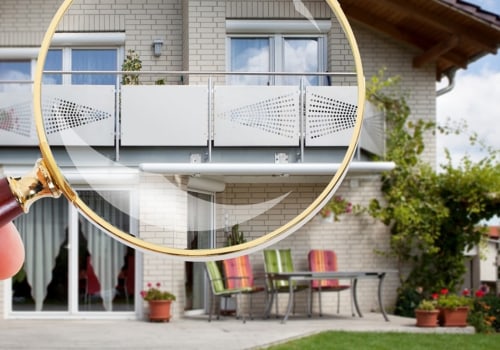
Regular inspections are a crucial aspect of home maintenance, serving as the first line of defence against potential issues that could escalate into costly repairs. By conducting thorough inspections, homeowners can identify problems early, ensuring their property remains safe and functional. To establish an effective home inspection checklist, consider the following key areas:- Roof and Gutters: Inspect for missing or damaged shingles, and ensure gutters are clear of debris to prevent water damage.
- Foundation: Look for cracks or signs of settling, which could indicate structural issues.
- Plumbing: Check for leaks under sinks and around toilets, and inspect pipes for corrosion.
- Electrical Systems: Test outlets and switches, and look for frayed wires or signs of overheating.
- HVAC Systems: Ensure heating and cooling systems are functioning properly, and replace filters regularly.
- Exterior Walls: Examine for signs of rot, mould, or pest infestations.
- Windows and Doors: Check seals and frames for air leaks or damage.
Regular checks not only help maintain the aesthetic appeal of your home but also enhance its value. For instance, a well-maintained roof can significantly extend its lifespan, while timely plumbing repairs can prevent extensive water damage. Homeowners should aim to conduct these inspections at least twice a year, ideally in spring and autumn. Seasonal changes can reveal different issues; for example, winter may expose roof weaknesses under snow loads, while summer heat can highlight air conditioning inefficiencies. There are various types of home inspections to consider:
- Pre-Purchase Inspections: Essential for prospective buyers to uncover hidden issues before finalising a purchase.
- Annual Maintenance Inspections: Recommended for current homeowners to keep their property in optimal condition.
- Selling Inspections: Conducted before listing a home to identify and rectify issues that could deter buyers.
Roof and Gutter Care: Protecting Your Home from Water Damage
Maintaining your roof and gutters is crucial for safeguarding your home against water damage, which can lead to significant structural issues and costly repairs.Regular inspections and cleaning are essential practices that every homeowner should prioritise.
Roof Maintenance
- Regular Inspections: Conduct thorough inspections of your roof at least twice a year, ideally in spring and autumn. Look for missing or damaged shingles, signs of wear, and any debris accumulation that could impede drainage.
- Cleaning: Remove leaves, branches, and other debris from the roof surface. This not only prevents water pooling but also reduces the risk of moss and algae growth, which can deteriorate roofing materials over time.
- Check Flashing: Inspect the flashing around chimneys, vents, and skylights for any signs of rust or damage. Properly sealed flashing is vital to prevent leaks.
- Professional Help: If you notice any significant issues or if your roof is steep or high, consider hiring a professional roofer to conduct a more detailed inspection and perform necessary repairs.
Gutter Cleaning
-
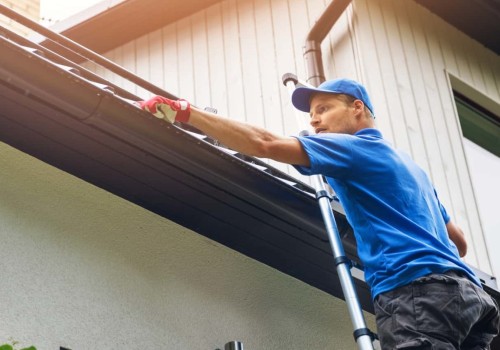
Frequency: Clean your gutters at least twice a year—once in spring and once in autumn.
If you have overhanging trees, you may need to clean them more frequently to prevent blockages.
- Inspection: While cleaning, inspect the gutters for cracks or rust spots. Ensure that all joints are secure and that there are no leaks that could lead to water damage.
- Downspouts: Clear downspouts of any debris to ensure proper water flow. You can test their effectiveness by running water through them after cleaning.
- Consider Gutter Guards: Installing gutter guards can significantly reduce the amount of debris that enters your gutters, making maintenance easier and less frequent.
Preventing Water Damage
Water damage can manifest in various ways, from mould growth to structural deterioration. By maintaining your roof and gutters diligently, you can mitigate these risks effectively.
Remember that prevention is always better than cure; addressing minor issues promptly can save you from major headaches down the line. In conclusion, regular roof and gutter maintenance is an investment in the longevity of your home. By taking proactive steps to care for these critical components, you ensure a safe and dry living environment for you and your family.
Chimney and Fireplace Maintenance: Ensuring Safety and Efficiency
Maintaining your chimney and fireplace is not just a matter of aesthetics; it is crucial for ensuring safety and efficiency in your home. A well-maintained chimney prevents dangerous situations such as chimney fires and carbon monoxide poisoning, while also enhancing the performance of your fireplace.Chimney Inspection Frequency
Experts recommend that homeowners schedule a professional chimney inspection at least once a year. This annual check-up is essential, regardless of how often you use your fireplace.
During the inspection, a certified chimney sweep will look for signs of creosote buildup, structural damage, and blockages that could impede airflow. Creosote, a byproduct of burning wood, can accumulate in the flue and become highly flammable, posing a significant fire risk.
Signs You Need an Inspection
- If you notice a strong odour coming from the fireplace.
- If smoke backs up into your home when the fireplace is in use.
- If you see cracks or gaps in the chimney structure.
- If it has been more than a year since your last inspection.
Cleaning Practices
In addition to regular inspections, cleaning your chimney is vital for safe operation. The frequency of cleaning depends on how often you use your fireplace:
- For occasional use: Clean every 12 months.
- For regular use: Clean every 3 to 6 months.
Fireplace Safety Tips
To further enhance safety when using your fireplace, consider the following tips:
- Always use seasoned wood to reduce smoke and creosote buildup.
- Install a spark guard or screen to prevent embers from escaping.
- Keep flammable materials away from the fireplace area.
- Ensure that smoke detectors are installed and functioning in your home.
Heating and Cooling Systems: Keeping Your Home Comfortable
Maintaining your heating and cooling systems is crucial for ensuring a comfortable living environment throughout the year.Regular servicing not only enhances the efficiency of these systems but also extends their lifespan, ultimately saving you money on energy bills and costly repairs.
Regular HVAC Maintenance
Scheduling routine maintenance for your HVAC system is essential. A professional technician can perform a comprehensive inspection, identifying potential issues before they escalate into major problems. During these visits, the technician will check for:
- Refrigerant levels
- Electrical connections
- Thermostat calibration
- System controls
- Airflow and ductwork integrity
Importance of Air Filter Replacement
One of the simplest yet most effective ways to maintain your HVAC system is by regularly replacing air filters. Clogged or dirty filters restrict airflow, forcing your system to work harder and consume more energy.
It is recommended to check your filters monthly and replace them every three months, or more frequently if you have pets or allergies. Clean filters improve indoor air quality and help maintain optimal system performance.
Energy Efficiency Tips
To further enhance the energy efficiency of your heating and cooling systems, consider implementing the following tips:
- Adjust Your Thermostat: Set your thermostat to a lower temperature in winter and a higher temperature in summer when you're away from home. Programmable thermostats can automate this process.
- Seal Ducts: Inspect ductwork for leaks and seal any gaps with duct tape or mastic sealant to prevent conditioned air from escaping.
- Use Ceiling Fans: Ceiling fans can help circulate air, making rooms feel cooler in summer and distributing warm air in winter.
- Insulate Your Home: Proper insulation in walls, attics, and basements can significantly reduce heating and cooling costs.
Exterior Maintenance: Protecting Your Home's Structure
Maintaining the exterior of your home is crucial for preserving its structural integrity and aesthetic appeal. Regular exterior home maintenance not only enhances curb appeal but also protects your property from the elements and potential pest infestations. One of the most critical aspects of exterior maintenance is conducting a thorough inspection of your home’s foundation.The foundation is the backbone of your property, and any signs of damage can lead to significant issues down the line. Look for:
- Cracks: Small cracks may seem harmless, but they can widen over time, allowing water to seep in and cause further damage.
- Uneven surfaces: If you notice sloping floors or doors that stick, it could indicate foundation problems.
- Moisture accumulation: Excess moisture around the foundation can lead to mould growth and structural weakening.
- Maintain proper drainage: Ensure that soil slopes away from your home’s foundation to prevent water pooling.
- Trim trees and shrubs: Regularly prune overgrown vegetation to prevent branches from damaging your roof or siding during storms.
- Choose appropriate plants: Select native plants that require less water and are more resilient to local pests and diseases.
Remember, proactive maintenance is key to safeguarding your home against the unpredictable forces of nature.
Appliance Care: Ensuring Longevity and Safety
Maintaining household appliances is crucial not only for their longevity but also for ensuring the safety of your home. Regular care can prevent malfunctions that may lead to costly repairs or even hazardous situations. Here are some essential tips for keeping your appliances in top condition.Dryer Vent Cleaning
One of the most significant risks associated with household appliances is the potential for fire, particularly with dryers. According to the U.S. Fire Administration, lint buildup in dryer vents is a leading cause of dryer-related fires. To mitigate this risk, it is vital to clean your dryer vent at least once a year. Here’s how:
- Unplug the Dryer: Always disconnect your dryer from the power source before performing any maintenance.
- Inspect the Vent: Check the vent for any visible lint buildup or blockages.
- Use a Vent Cleaning Kit: Invest in a dryer vent cleaning kit that includes brushes and rods to reach deep into the vent.
- Professional Cleaning: Consider hiring a professional service if you are uncomfortable doing it yourself or if your vent is particularly long or complex.
Kitchen Appliance Care
Your kitchen appliances, such as ovens and refrigerators, also require regular maintenance to function efficiently and safely.Here are some tips:
- Oven Maintenance: Clean your oven regularly to prevent grease buildup, which can be a fire hazard. Use a non-toxic oven cleaner or a mixture of baking soda and water for an eco-friendly option.
- Refrigerator Care: Keep the coils on the back or underneath your refrigerator clean by vacuuming them every six months. This helps improve energy efficiency and prolongs the appliance's lifespan.
- Check Seals: Inspect door seals on your refrigerator and oven for any cracks or damage. A faulty seal can lead to energy loss and increased utility bills.
Regular attention to these details not only enhances appliance performance but also contributes to a safer living environment.
Seasonal Maintenance Checklist: A Year-Round Guide
Maintaining a home is an ongoing responsibility that requires attention throughout the year. A well-structured seasonal maintenance checklist can help homeowners stay on top of essential tasks, ensuring that their property remains in excellent condition. Below is a comprehensive guide to seasonal home maintenance, broken down by season.Spring Maintenance Tasks
- Inspect the Roof: After winter, check for any damage to shingles or tiles. Look for signs of leaks or wear and tear that may have occurred during the colder months.
-
Clean Gutters and Downspouts: Remove debris to ensure proper drainage.
Clogged gutters can lead to water damage and foundation issues.
- Service Air Conditioning Units: Schedule a professional inspection and cleaning of your air conditioning system to prepare for warmer months.
- Check Windows and Doors: Inspect seals and weather stripping for any gaps that could lead to energy loss. Replace or repair as necessary.
- Garden Preparation: Clean up your garden beds, prune shrubs, and plant new flowers or vegetables as the frost recedes.
Summer Maintenance Tasks
- Inspect Outdoor Spaces: Check patios, decks, and fences for any signs of wear. Repaint or seal surfaces as needed to protect against the elements.
- Test Sprinkler Systems: Ensure that your irrigation system is functioning correctly to keep your garden healthy during hot months.
- Clean Ceiling Fans: Dust and clean ceiling fans to improve air circulation and efficiency in cooling your home.
Autumn Maintenance Tasks
- Prepare Heating Systems: Schedule a furnace inspection to ensure it operates efficiently before the cold weather sets in.
- Clean Chimneys: If you use a fireplace, have your chimney inspected and cleaned to prevent fire hazards.
- Winterize Outdoor Faucets: Drain and shut off outdoor taps to prevent freezing during winter months.
Winter Maintenance Tasks
- Check Insulation: Ensure that your attic and walls are properly insulated to maintain warmth and reduce energy costs.
- Inspect Sump Pumps: Test your sump pump to ensure it is functioning correctly, especially if you live in an area prone to flooding.
- Monitor Indoor Humidity: Use a humidifier if necessary to prevent dry air, which can lead to respiratory issues and damage wooden furniture.
FAQs About Home Maintenance Practices
Home maintenance is a broad topic that often raises numerous questions among homeowners.Understanding the nuances of maintaining your home can help you avoid costly repairs and ensure a safe living environment. Below are some frequently asked questions regarding home maintenance practices.
What are common home maintenance questions?
- How often should I perform maintenance tasks? Regular maintenance is crucial for the longevity of your home. Key tasks such as checking smoke detectors, cleaning gutters, and inspecting HVAC systems should be done at least once a year. Seasonal checks, like preparing your home for winter or summer, are also essential.
-
What should I do if I find a problem? If you discover issues such as leaks, cracks, or signs of pest infestations, it’s important to address them promptly.
Minor problems can escalate into major repairs if left unattended.
- Are there specific tasks I should prioritise? Yes, focus on areas that can impact safety and efficiency first. This includes checking electrical systems, plumbing, and structural integrity.
How often should I maintain my home?
The frequency of maintenance tasks can vary based on the specific area of your home:- Monthly: Check air filters and smoke detectors.
- Seasonally: Inspect roofs and gutters, clean out debris, and check for signs of pests.
- Annually: Schedule professional inspections for HVAC systems, chimneys, and plumbing.
Should I handle maintenance myself or hire a professional?
This largely depends on your skill level and the complexity of the task:- DIY Maintenance: Simple tasks like changing air filters or cleaning gutters can often be done by homeowners. However, ensure you have the right tools and knowledge to avoid injury or further damage.
- Professional Maintenance: For more complex issues such as electrical work or structural repairs, hiring a qualified professional is advisable. They have the expertise to identify underlying problems that may not be visible to the untrained eye.
Regular upkeep not only enhances the safety and comfort of your home but also preserves its value over time.
Conclusion: The Importance of Proactive Home Maintenance
In conclusion, the significance of proactive home maintenance cannot be overstated. Regular upkeep not only safeguards your property but also enhances its value over time. By addressing minor issues before they escalate into major problems, homeowners can save substantial amounts on repairs and replacements. Throughout this article, we have explored various aspects of home maintenance, from the importance of gutter cleaning to the necessity of chimney inspections. Each element plays a crucial role in ensuring that your home remains a safe and comfortable environment.For instance, neglecting to clean gutters can lead to water damage, while failing to inspect trees can result in hazardous situations. Moreover, regular maintenance contributes to energy efficiency. Simple tasks such as changing air filters and servicing heating systems can significantly reduce energy bills. This not only benefits your wallet but also has a positive impact on the environment by lowering energy consumption. It is essential to develop a comprehensive maintenance schedule that includes seasonal checks and routine inspections. This proactive approach allows homeowners to identify potential issues early on, ensuring that they are addressed promptly.
For example, testing sump pumps twice a year can prevent flooding during heavy rains, while inspecting foundations can avert costly structural repairs. In summary, investing time and resources into home maintenance is an investment in your property’s future. By prioritising these tasks, you not only protect your home but also enhance your quality of life. Remember, a well-maintained home is not just about aesthetics; it is about safety, efficiency, and long-term value.