House Log / Guide
Common Home Maintenance Issues: A Comprehensive Guide for Homeowners
Discover the most common home maintenance issues and how to address them effectively. Keep your home safe and functional with our comprehensive guide.
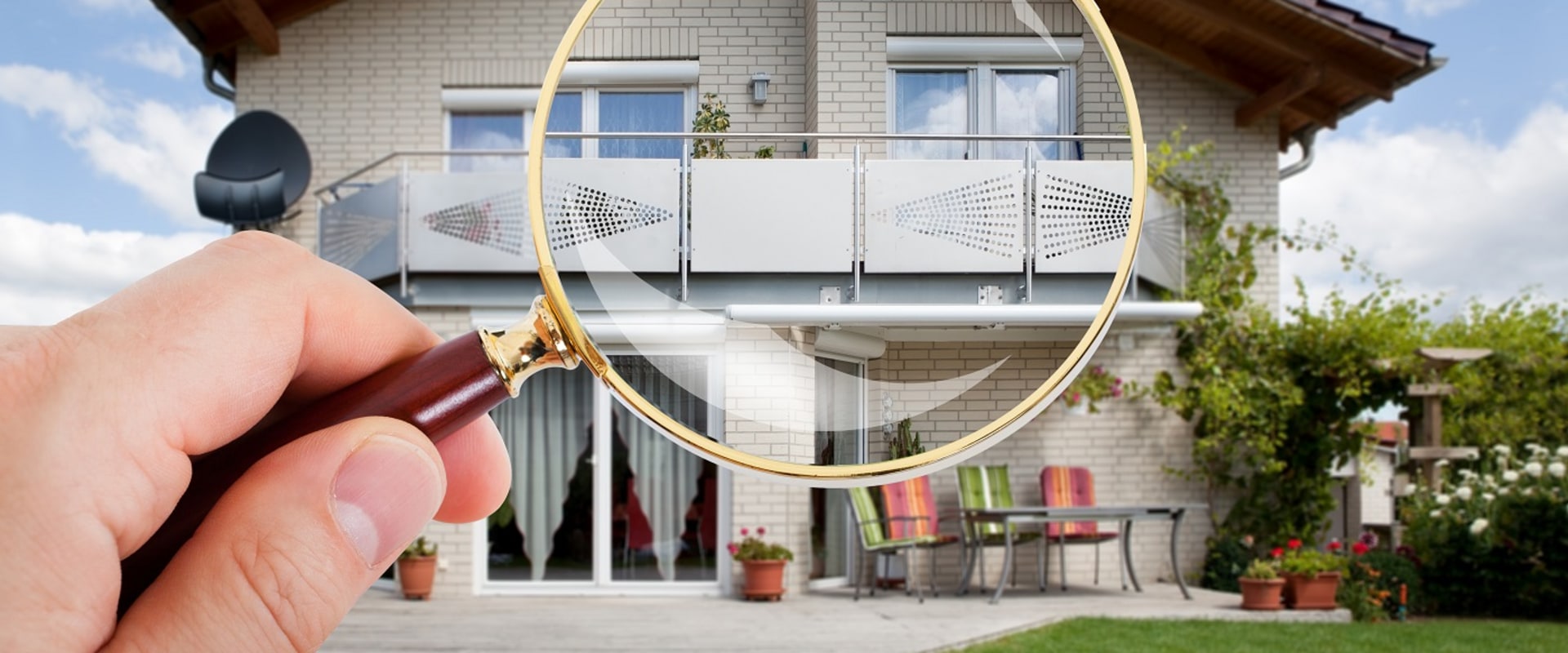
Home maintenance is an essential aspect of homeownership that often goes overlooked until problems arise. It encompasses a wide range of tasks aimed at preserving the functionality, safety, and aesthetic appeal of a property. Regular upkeep not only enhances the comfort of your living environment but also protects your investment over time. By understanding the importance of home maintenance , homeowners can proactively address potential issues before they escalate into costly repairs. The significance of home maintenance cannot be overstated.
A well-maintained home not only provides a safe haven for you and your family but also contributes to the overall value of the property. Neglecting routine maintenance can lead to a myriad of problems, from minor inconveniences like squeaky doors to major issues such as structural damage or plumbing failures. Therefore, it is crucial for homeowners to develop a comprehensive maintenance plan that includes regular inspections and timely repairs. Common home maintenance issues often stem from wear and tear, environmental factors, or inadequate initial construction. For instance, plumbing problems such as leaks or clogs can arise from aging pipes or improper installation.
Similarly, electrical issues may occur due to outdated wiring or faulty fixtures. By familiarising yourself with these common challenges, you can better prepare for them and take preventive measures to mitigate their impact. This proactive approach not only saves money in the long run but also ensures that your home remains a safe and comfortable place to live.
Top Common Home Maintenance Issues
Home maintenance is an essential aspect of homeownership, as it helps to preserve the integrity and value of your property. Understanding the most common home maintenance issues can save you time, money, and stress in the long run.Below is a detailed overview of frequent problems homeowners encounter, categorised by type.
1.Plumbing Problems
Plumbing issues are among the most prevalent home maintenance challenges. Common problems include:- Leaky Faucets: A dripping faucet not only wastes water but can also lead to higher utility bills. The cause is often a worn-out washer or O-ring, which can be easily replaced.
- Clogged Drains: Hair, grease, and debris can accumulate in pipes, leading to slow drainage or complete blockages. Regularly using a drain cleaner or a plunger can help mitigate this issue.
- Running Toilets: A toilet that won’t stop running can waste a significant amount of water.
This is usually due to a faulty flapper valve or fill valve that needs replacement.
2.Electrical Issues
Electrical problems can pose serious safety risks if not addressed promptly. Common electrical issues include:- Flickering Lights: This may indicate a loose connection or an overloaded circuit. It’s advisable to consult a qualified electrician to diagnose and fix the problem.
- Tripped Circuit Breakers: Frequent tripping can suggest that too many devices are connected to one circuit or that there’s a fault in the wiring.
- Outdated Wiring: Homes with old wiring may not support modern electrical demands, leading to potential hazards. Upgrading your electrical system is crucial for safety.
3.HVAC System Failures
Your heating, ventilation, and air conditioning (HVAC) system is vital for comfort in your home.Common issues include:
- Inconsistent Temperatures: If certain rooms are too hot or too cold, it may be due to blocked vents or an improperly sized system.
- Noisy Units: Unusual sounds from your HVAC system can indicate mechanical issues that require professional attention.
- Lack of Maintenance: Regular servicing is essential to keep your HVAC system running efficiently and prolong its lifespan.
Plumbing Problems
Plumbing issues are among the most frequent and frustrating problems homeowners encounter. From minor leaks to major clogs, these issues can disrupt daily life and lead to costly repairs if not addressed promptly. Understanding common plumbing problems and knowing how to tackle them can save you time, money, and stress.Common Plumbing Problems
- Leaky Faucets: A dripping faucet is not just annoying; it can waste a significant amount of water over time.
The most common cause is a worn-out washer or O-ring. Replacing these components is often a straightforward DIY task.
- Clogged Drains: Clogs can occur in sinks, showers, and toilets due to hair, soap residue, or foreign objects. Regularly using a drain strainer can help prevent clogs. For minor blockages, a plunger or a mixture of baking soda and vinegar can be effective.
- Running Toilets: A toilet that runs continuously can waste gallons of water daily.
This issue is often caused by a faulty flapper valve or a malfunctioning fill valve. Replacing these parts is usually simple and can be done without professional help.
- Low Water Pressure: If you notice a sudden drop in water pressure, it could be due to mineral buildup in the pipes or leaks. Checking for visible leaks and cleaning aerators can often resolve this issue.
- Water Heater Issues: Problems with your water heater can lead to insufficient hot water or leaks. Regular maintenance, such as flushing the tank annually, can prolong its lifespan and efficiency.
Preventative Measures
To avoid plumbing problems, regular maintenance is key.
Here are some tips:
- Inspect pipes regularly for signs of corrosion or leaks.
- Avoid pouring grease down the drain; instead, dispose of it in the bin.
- Use drain covers to catch debris before it enters the plumbing system.
- Know the location of your main shut-off valve in case of emergencies.
When to Call a Professional
While many plumbing issues can be resolved with DIY methods, some situations require professional intervention. If you encounter persistent leaks, severe clogs that don’t respond to home remedies, or any plumbing issue that seems beyond your expertise, it’s wise to consult a licensed plumber. They have the tools and experience necessary to diagnose and fix complex problems safely and effectively. By staying proactive about plumbing maintenance and knowing when to seek help, you can keep your home’s plumbing system running smoothly for years to come.
Electrical Issues
Electrical issues are among the most common home maintenance problems that homeowners face. These problems can range from minor annoyances to serious hazards, making it essential to understand the signs and solutions associated with them.Common Electrical Problems
- Flickering Lights: One of the most frequent complaints is flickering lights.
This can be caused by loose bulbs, faulty wiring, or overloaded circuits. If you notice flickering in multiple fixtures, it may indicate a more significant issue with your electrical system.
- Tripped Circuit Breakers: Circuit breakers are designed to protect your home from electrical overloads. If your breaker trips frequently, it could mean that you are overloading a circuit or that there is a fault in the wiring. Regularly tripping breakers should not be ignored, as they can lead to more severe electrical problems.
- Faulty Outlets: Outlets that feel warm to the touch, emit a burning smell, or have visible damage should be addressed immediately.
These issues can indicate faulty wiring or a poor connection, which poses a fire risk.
- Dead Outlets: If an outlet is not working at all, it could be due to a blown fuse, tripped breaker, or wiring issues. Testing the outlet with a multimeter can help determine if it is receiving power.
Safety Precautions
When dealing with electrical issues, safety should always be your top priority. Here are some essential tips:
- Turn Off Power: Before attempting any repairs or inspections, ensure that the power is turned off at the circuit breaker to avoid electric shock.
- Use Proper Tools: Always use insulated tools when working on electrical systems to reduce the risk of shock.
- Consult Professionals: If you are unsure about any electrical work, it is best to consult a qualified electrician. Attempting complex repairs without proper knowledge can lead to dangerous situations.
Troubleshooting Minor Electrical Faults
If you encounter minor electrical issues, here are some troubleshooting steps you can take:
- Check Bulbs: For flickering lights, start by checking and replacing any burnt-out bulbs.
- Inspect Breakers: If a circuit breaker has tripped, reset it and monitor for any further issues.
- Test Outlets: Use a multimeter to check if outlets are receiving power and replace any faulty ones as needed.
HVAC System Maintenance
Maintaining your HVAC system is crucial for ensuring a comfortable living environment throughout the year.Regular upkeep not only enhances efficiency but also prolongs the lifespan of your heating and cooling units. Here, we delve into common HVAC issues, maintenance tips, and signs that indicate when it’s time to call in a professional.
Common HVAC Issues
Homeowners often encounter several recurring problems with their HVAC systems:- Poor Airflow: If you notice that some rooms are significantly warmer or cooler than others, it may indicate blocked ducts or a failing blower fan. This can lead to uneven heating or cooling, making your home uncomfortable.
- Unusual Noises: Strange sounds such as banging, rattling, or squealing can signal mechanical issues within the system. These noises often suggest that components like the fan or motor may need attention.
- Temperature Inconsistencies: If your thermostat is set correctly but the temperature in your home doesn’t match, it could be due to a malfunctioning thermostat or issues with the heating and cooling units themselves.
- Frequent Cycling: An HVAC system that turns on and off frequently may be struggling to maintain the desired temperature.
This can lead to increased energy bills and unnecessary wear on the system.
Regular Maintenance Tips
To keep your HVAC system running smoothly, consider implementing these maintenance practices:- Change Filters Regularly: Dirty filters restrict airflow and reduce efficiency. Check and replace filters every 1-3 months, depending on usage.
- Clean the Coils: Dust and debris can accumulate on the evaporator and condenser coils, hindering performance. Schedule a professional cleaning at least once a year.
- Inspect Ductwork: Ensure there are no leaks or blockages in your ductwork. Sealing leaks can improve efficiency and reduce energy costs.
- Schedule Annual Inspections: Having a qualified technician inspect your system annually can help identify potential issues before they become major problems.
When to Call a Professional
If you experience any of the following signs, it’s time to seek professional help:- Your system is blowing warm air when set to cool.
- You notice an increase in energy bills without a change in usage.
- The system is leaking fluid or producing an unusual smell.
- You have difficulty adjusting the thermostat or it appears unresponsive.
Roofing and Gutter Concerns
Maintaining your roof and gutters is crucial for the overall health of your home.Neglecting these areas can lead to significant issues, including leaks, structural damage, and costly repairs. Regular inspections and cleaning are essential to prevent these problems from escalating.
Roof Maintenance
Your roof is your home’s first line of defence against the elements. Over time, it can suffer from wear and tear due to weather conditions, such as heavy rain, snow, and strong winds. Here are some common roofing problems to watch for:
- Missing or Damaged Shingles: Shingles can become loose or break off entirely, exposing the underlying layers to moisture.
- Leaks: Water stains on ceilings or walls often indicate a leak in the roof.
Prompt attention is necessary to prevent further damage.
- Moss and Algae Growth: These can trap moisture against the roof surface, leading to deterioration over time.
Gutter Cleaning
Gutters play a vital role in directing water away from your home’s foundation. Clogged gutters can lead to overflow, causing water to pool around the base of your house and potentially leading to serious structural issues.
Here are some tips for effective gutter maintenance:
- Regular Cleaning: Clean your gutters at least twice a year, or more frequently if you have overhanging trees. Remove leaves, twigs, and debris that can block water flow.
- Check for Damage: Inspect gutters for rust, holes, or sagging sections that may need repair or replacement.
- Install Guards: Gutter guards can help reduce debris accumulation and make cleaning easier.
Exterior Maintenance: Siding and Decking
Maintaining the exterior of your home is crucial for both aesthetic appeal and structural integrity. Two of the most significant components of exterior maintenance are siding and decking.These elements not only enhance the visual charm of your property but also protect it from the elements. However, they are prone to various issues that can arise over time.
Siding Issues
- Rot and Decay: Wooden siding is particularly susceptible to rot, especially in areas with high moisture levels. This decay can compromise the structural integrity of your home, leading to more extensive repairs if not addressed promptly.
- Peeling Paint: Over time, paint on siding can begin to peel or chip away due to exposure to harsh weather conditions. This not only detracts from your home's appearance but can also expose the underlying material to moisture, leading to further damage.
- Cracks and Gaps: Siding can develop cracks or gaps due to temperature fluctuations and settling of the house.
These openings can allow water infiltration, which may lead to mould growth and pest infestations.
- Insect Damage: Termites and other pests can cause significant damage to wooden siding. Regular inspections are essential to catch these issues early before they escalate.
Decking Problems
- Wood Rot: Similar to siding, decking made from wood is vulnerable to rot, particularly in areas that remain damp. Regular sealing and staining can help protect against moisture damage.
- Loose or Broken Boards: Over time, deck boards may become loose or break due to wear and tear. This not only poses a safety risk but can also lead to further damage if not repaired quickly.
- Fading and Discolouration: Exposure to sunlight can cause decking materials to fade over time.
While this may be primarily aesthetic, it can also indicate that the protective coatings are wearing off, necessitating reapplication.
- Mould and Mildew Growth: Decks that are shaded or poorly ventilated are prone to mould and mildew growth. This not only affects the appearance but can also create slippery surfaces that pose a safety hazard.
Interior Maintenance: Walls and Floors
Maintaining the interior of your home is crucial for both aesthetic appeal and structural integrity. Among the most common issues homeowners face are problems with walls and floors, which can arise from various factors including age, environmental conditions, and everyday wear-and-tear.Wall Repairs
One of the most frequent challenges is dealing with wall cracks.
These can occur due to settling of the house, temperature fluctuations, or moisture issues. Small hairline cracks may not pose a significant threat, but larger cracks can indicate underlying structural problems that require immediate attention.
- Identifying Cracks: Regularly inspect your walls for any signs of cracking. Pay special attention to corners and areas around windows and doors.
- Repairing Cracks: For minor cracks, a simple filler or caulk can suffice. However, for larger cracks, it may be necessary to consult a professional to assess the situation and recommend appropriate repairs.
Flooring Issues
Flooring is another area that often requires maintenance.
Whether you have hardwood, laminate, or carpeted floors, each type has its own set of potential problems. Common issues include scratches on hardwood floors, loose tiles in tiled areas, or stains on carpets.
- Hardwood Floors: To maintain hardwood floors, regularly clean them with a suitable cleaner and consider refinishing them every few years to restore their shine and protect against wear.
- Tiled Floors: For tiles, ensure that grout lines are sealed properly to prevent moisture from seeping in. If tiles become loose, re-grouting or replacing them may be necessary.
- Carpets: Regular vacuuming and professional cleaning can help prolong the life of carpets. Address stains immediately to prevent permanent damage.
Preventative Measures
To avoid these common interior maintenance issues, consider implementing a regular inspection schedule.
This proactive approach allows you to catch small problems before they escalate into costly repairs. Additionally, maintaining proper humidity levels in your home can help prevent wall cracks and flooring damage caused by moisture. In conclusion, addressing wall and flooring issues promptly not only enhances the comfort of your living space but also protects your investment in your home. By staying vigilant and performing regular maintenance checks, you can ensure that your interior remains in excellent condition for years to come.
Preventative Maintenance Tips
Preventative maintenance is essential for homeowners looking to safeguard their property and avoid costly repairs down the line. By implementing a few simple strategies, you can significantly reduce the likelihood of encountering common home maintenance issues.Regular Inspections
- Conduct routine checks: Schedule regular inspections of your home, focusing on critical areas such as the roof, plumbing, and electrical systems.
Aim for at least twice a year to catch potential problems early.
- Look for signs of wear: Pay attention to any signs of damage, such as cracks in walls, damp patches, or unusual sounds from appliances. Early detection can save you from more extensive repairs later.
Seasonal Checklists
- Spring: Clean gutters and downspouts to prevent water damage. Inspect your air conditioning system and replace filters to ensure optimal performance during warmer months.
- Summer: Check for any signs of pests or insects that may have taken residence in your home. Ensure that outdoor areas are well-maintained to prevent infestations.
- Autumn: Prepare your heating system for winter by scheduling a professional inspection.
Also, check windows and doors for drafts and seal any gaps to improve energy efficiency.
- Winter: Monitor your home for ice dams on the roof and ensure that pipes are insulated to prevent freezing. Regularly check smoke detectors and carbon monoxide alarms to ensure they are functioning properly.
Maintenance Tips
- Keep records: Maintain a detailed log of all maintenance activities, including dates and types of work performed. This will help you track what needs attention and when.
- Invest in quality materials: When making repairs or upgrades, opt for high-quality materials that will stand the test of time. This can reduce the frequency of future maintenance issues.
- Hire professionals when necessary: While DIY projects can be rewarding, some tasks require professional expertise.
Don’t hesitate to call in a qualified technician for complex issues like electrical work or major plumbing repairs.
<strong>FAQs about Home Maintenance</strong>
Home maintenance can often feel overwhelming, especially for new homeowners. To help demystify some of the most common concerns, we’ve compiled a list of frequently asked questions regarding home maintenance.What are the most common home maintenance issues?
Some of the most prevalent issues include:- Plumbing Problems: Leaky faucets, clogged drains, and running toilets are frequent headaches for homeowners.
- HVAC Maintenance: Regular servicing of heating and cooling systems is essential to prevent breakdowns.
- Roof Repairs: Missing shingles or leaks can lead to significant damage if not addressed promptly.
- Electrical Issues: Flickering lights or tripped circuits may indicate underlying electrical problems that require professional attention.
- Exterior Maintenance: Issues such as peeling paint, rotting wood, and damaged siding can affect your home’s curb appeal and structural integrity.
How often should I perform home maintenance?
A good rule of thumb is to conduct a thorough inspection of your home at least twice a year. Seasonal changes can impact various systems in your home, so it’s wise to check:- Spring: Inspect your roof, gutters, and exterior for winter damage.
- Autumn: Prepare your heating system and check for drafts around windows and doors.
Can I handle home maintenance myself?
Many minor repairs can be tackled by homeowners with basic DIY skills.However, for complex issues such as electrical work or major plumbing repairs, it’s advisable to hire a qualified professional to ensure safety and compliance with local regulations.