House Log / Guide
Understanding Routine Maintenance Required: A Comprehensive Guide to Home Maintenance
Explore the importance of routine maintenance in home care, ensuring safety, efficiency, and value for your property.
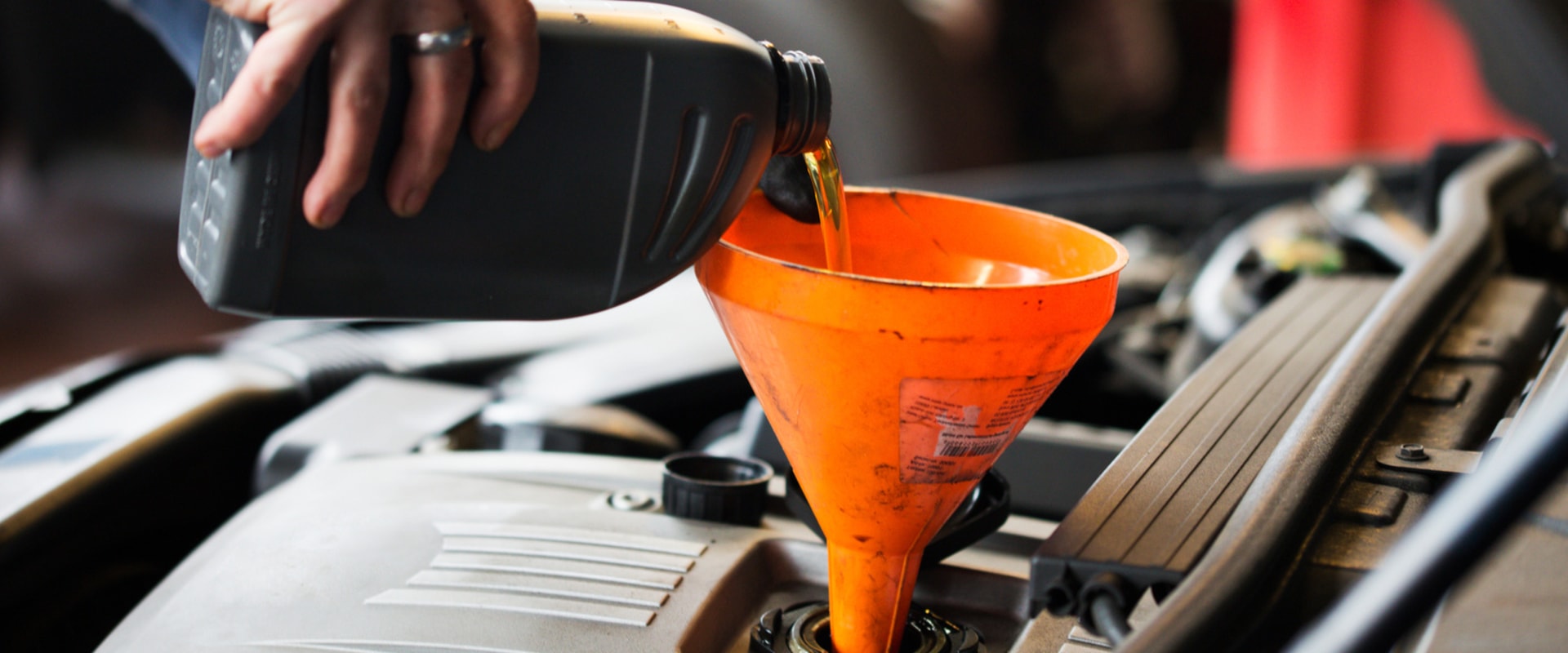
Home maintenance is an essential aspect of homeownership that often goes overlooked until problems arise. It encompasses a wide range of tasks aimed at preserving the functionality, safety, and aesthetic appeal of a property. From routine inspections to seasonal upkeep, understanding the importance of home maintenance can save homeowners significant time and money in the long run. One critical component of this process is routine maintenance , which refers to regular, scheduled tasks designed to prevent deterioration and ensure that all systems within the home operate smoothly. So, what does routine maintenance mean in the context of home care? Essentially, it involves a proactive approach to managing your home’s various components, including plumbing, electrical systems, heating and cooling units, and even the exterior surfaces.
By adhering to a routine maintenance schedule, homeowners can identify potential issues before they escalate into costly repairs. This not only enhances the longevity of the home but also contributes to a safer living environment. Moreover, routine maintenance is not just about fixing problems; it’s about creating a culture of care within your household. Engaging in regular upkeep fosters a sense of responsibility and awareness among family members regarding their living space. It encourages everyone to take part in maintaining the home, whether through simple tasks like changing air filters or more involved projects like gutter cleaning.
Ultimately, understanding and implementing routine maintenance can lead to a more efficient and enjoyable home life.
What is Routine Maintenance?
Routine maintenance refers to the regular and systematic tasks performed to keep a home in optimal condition. This proactive approach is essential for identifying potential issues before they escalate into significant problems, ultimately saving homeowners both time and money. By adhering to a routine maintenance schedule, homeowners can ensure that their property remains safe, functional, and aesthetically pleasing.Definition of Routine Maintenance
At its core, routine maintenance encompasses a variety of tasks that are carried out on a scheduled basis. These tasks can range from simple inspections to more complex repairs, all aimed at preserving the integrity of a home.
The primary goal is to prevent unexpected breakdowns and prolong the lifespan of various systems and components within the property.
Types of Routine Maintenance
- Preventive Maintenance: This involves regular checks and services designed to prevent equipment failure. For example, changing air filters in heating and cooling systems or inspecting smoke detectors.
- Corrective Maintenance: This type addresses issues that have already occurred but are not yet critical. For instance, fixing a leaky faucet before it causes water damage.
- Predictive Maintenance: Using data and analytics to predict when maintenance should be performed based on the condition of equipment rather than on a fixed schedule.
- Seasonal Maintenance: Tasks that are specific to certain times of the year, such as winterising pipes or cleaning gutters in preparation for heavy rainfall.
Importance of Routine Maintenance
The significance of routine maintenance cannot be overstated. Regular upkeep not only enhances the safety of a home but also contributes to its overall value.
Homes that are well-maintained tend to attract higher resale prices and require fewer repairs over time. Additionally, routine maintenance helps homeowners stay compliant with local regulations and insurance requirements, which can be crucial in avoiding penalties or claims denials. In conclusion, embracing routine maintenance is an investment in the longevity and safety of your home. By understanding its definition, types, and importance, homeowners can take proactive steps to protect their property and ensure it remains a safe haven for years to come.
The Importance of Routine Home Maintenance
Routine home maintenance is not merely a checklist of tasks; it is a vital practice that ensures the longevity, safety, and efficiency of your home. By engaging in regular maintenance, homeowners can significantly enhance their living environment while also safeguarding their investment.Importance of Home Maintenance
One of the primary reasons for routine home maintenance is to prevent minor issues from escalating into major problems.
For instance, a small leak in a roof can lead to extensive water damage if left unaddressed. Regular inspections and timely repairs can save homeowners from costly renovations and repairs down the line.
Moreover, routine maintenance plays a crucial role in maintaining the safety of your home. Regular checks on electrical systems, plumbing, and heating can help identify potential hazards before they pose a risk to your family. For example, ensuring that smoke detectors are functional and that carbon monoxide detectors are in place can be life-saving measures.
Benefits of Routine Maintenance
- Increased Property Value: A well-maintained home is more attractive to potential buyers.
Regular upkeep not only preserves the aesthetic appeal but also enhances the overall value of the property.
- Energy Efficiency: Routine maintenance can lead to improved energy efficiency. Simple tasks such as cleaning gutters, sealing windows, and servicing heating systems can reduce energy consumption and lower utility bills.
- Enhanced Comfort: A home that is regularly maintained provides a more comfortable living environment. Properly functioning heating and cooling systems ensure that your home remains at a pleasant temperature throughout the year.
Home Safety and Maintenance
The safety of your home should always be a top priority. Routine maintenance helps to identify potential safety hazards such as faulty wiring or structural weaknesses.
By addressing these issues promptly, homeowners can create a safer living space for themselves and their families. In conclusion, routine home maintenance is essential for preserving the integrity of your property, ensuring safety, and enhancing energy efficiency. By committing to regular upkeep, homeowners not only protect their investment but also create a more enjoyable and secure living environment.
Common Areas Requiring Routine Maintenance in Homes
Maintaining a home is essential for ensuring its longevity and functionality. Regular upkeep not only enhances the aesthetic appeal but also prevents costly repairs down the line. Here are some common areas in a home that require routine maintenance:- Roofing : Regular inspections of your roof can help identify issues such as missing shingles, leaks, or damage from weather conditions.
It’s advisable to clean gutters and downspouts at least twice a year to prevent water damage.
- HVAC Systems : Heating, ventilation, and air conditioning systems should be serviced at least once a year. This includes changing filters, cleaning ducts, and checking for any signs of wear and tear to ensure efficient operation.
- Plumbing : Routine checks for leaks in pipes, faucets, and toilets can save water and prevent mould growth. Additionally, flushing the water heater annually helps remove sediment buildup, improving efficiency.
- Electrical Systems : Inspecting electrical outlets and switches for signs of wear is crucial. Homeowners should also test smoke detectors monthly and replace batteries as needed to ensure safety.
- Exterior Maintenance : Regularly painting or sealing the exterior of your home protects it from the elements.
Checking for cracks in the foundation or walls can prevent more significant structural issues.
- Landscaping : Maintaining your garden and yard not only enhances curb appeal but also prevents pests. Regularly trimming trees and shrubs can prevent them from damaging your home or roof.
- Appliances : Routine maintenance of household appliances, such as cleaning refrigerator coils and checking dryer vents, can improve efficiency and extend their lifespan.
Creating a Routine Maintenance Schedule
Creating a routine maintenance schedule for your home is essential to ensure that everything runs smoothly and remains in good condition. A well-structured maintenance plan not only helps in identifying potential issues before they escalate but also extends the lifespan of your home’s systems and appliances.1.Assess Your Home's Needs
The first step in developing a maintenance schedule is to assess the specific needs of your home.
Consider the various systems and components that require regular attention, such as:
- Heating, ventilation, and air conditioning (HVAC) systems
- Plumbing fixtures and pipes
- Electrical systems
- Roofing and gutters
- Exterior surfaces, including siding and paint
- Landscaping and outdoor spaces
2.Prioritise Tasks by Frequency
Once you have identified the areas that need maintenance, prioritise tasks based on how often they should be performed. Some tasks may need monthly attention, while others can be scheduled quarterly or annually. For example:
- Monthly: Change HVAC filters, check smoke detectors, inspect fire extinguishers.
- Quarterly: Clean gutters, inspect plumbing for leaks, test sump pumps.
- Annually: Service HVAC systems, inspect roofs, perform deep cleaning of carpets.
3.Use Tools for Tracking
To keep your maintenance schedule organised, consider using tools such as:
- Digital calendars: Set reminders for each task to ensure nothing is overlooked.
- Home maintenance apps: Many apps are designed specifically for tracking home upkeep tasks and can send notifications when maintenance is due.
- Paper planners: If you prefer a physical format, a dedicated planner can help you jot down tasks and track completion.
4.Review and Adjust Regularly
Your routine maintenance schedule should be a living document. Regularly review it to adjust for any changes in your home or lifestyle.
For instance, if you add new appliances or make renovations, update your schedule accordingly to include their specific maintenance needs. By following these steps to create an effective routine maintenance schedule, you can ensure that your home remains safe, functional, and comfortable for years to come.
DIY vs Professional Home Maintenance: What You Need to Know
When it comes to home maintenance, homeowners often face the dilemma of whether to tackle tasks themselves or hire professionals. Both approaches have their merits and drawbacks, and understanding these can help you make informed decisions about your home care.DIY Home Maintenance
Engaging in DIY home maintenance can be a rewarding experience. It allows homeowners to save money on labour costs and gain a sense of accomplishment. Common DIY tasks include:- Painting walls and ceilings
- Changing light fixtures
- Basic plumbing repairs, such as fixing leaky faucets
- Landscaping and garden maintenance
- Cleaning gutters and downspouts
Some jobs may seem straightforward but can quickly escalate into larger issues if not done correctly. Additionally, investing in the right tools and materials can sometimes negate the savings from doing it yourself.
Professional Home Services
On the other hand, hiring professionals for home maintenance tasks can provide peace of mind. Professionals bring expertise, experience, and often a guarantee of quality work. Here are some situations where hiring a professional is advisable:- Complex Repairs: Tasks like electrical work or major plumbing issues should be left to licensed professionals to ensure safety and compliance with local regulations.
- Lack of Time: If your schedule is packed, it may be more practical to hire someone who can complete the work efficiently.
- Specialised Skills: Certain maintenance tasks require specific skills or knowledge that you may not possess, such as roof repairs or HVAC servicing.
- Safety Concerns: If a task poses a risk of injury or damage to your property, it’s wise to call in an expert.
A balanced approach often works best; for instance, you might handle routine upkeep while reserving more complex jobs for professionals.
Seasonal Home Maintenance Checklist
Maintaining your home throughout the year is essential for preserving its value and ensuring a safe, comfortable living environment. A seasonal home maintenance checklist can help you stay organised and proactive in addressing the various tasks that arise with changing weather conditions. Below is a comprehensive guide to seasonal maintenance tasks that every homeowner should consider.Spring Maintenance Tasks
- Inspect the Roof: Check for any damage from winter storms, including missing or damaged shingles.
- Clean Gutters and Downspouts: Remove debris to ensure proper drainage and prevent water damage.
- Service Air Conditioning Units: Schedule a professional inspection and clean or replace filters to prepare for warmer months.
- Check Windows and Doors: Inspect seals and caulking for any wear and tear, replacing as necessary to improve energy efficiency.
- Prepare the Garden: Clear away winter debris, prune dead branches, and start planting seasonal flowers and vegetables.
Summer Maintenance Tasks
- Inspect Outdoor Equipment: Check lawnmowers, trimmers, and other tools for functionality and perform necessary maintenance.
- Check for Pests: Look for signs of infestations around the home and take preventive measures as needed.
- Maintain Decks and Patios: Clean surfaces, check for rot or damage, and apply sealant if necessary to protect against moisture.
- Test Smoke Alarms: Ensure all smoke detectors are functioning properly by testing them monthly.
Autumn Maintenance Tasks
- Prepare Heating Systems: Schedule a furnace inspection to ensure it’s ready for colder temperatures.
- Clean Chimneys: If you have a fireplace, have it cleaned to prevent chimney fires and ensure efficient operation.
- Winterise Outdoor Faucets: Drain hoses and shut off water supply to prevent freezing pipes.
- Inspect Insulation: Check attic insulation levels to ensure your home remains energy-efficient during winter months.
winter Maintenance Tasks
- Monitor Indoor Humidity: Use a humidifier if necessary to maintain comfortable humidity levels in your home.
- Check for Ice Dams: Inspect your roof for ice buildup that can lead to leaks inside your home.
- Cleansing Air Filters: Replace or clean air filters in heating systems regularly to maintain air quality.
- Safety Checks: Ensure that all emergency exits are clear of snow and ice, maintaining safety in case of emergencies.
Signs That Routine Maintenance is Overdue
Routine maintenance is essential for the longevity and efficiency of your home systems.However, many homeowners may overlook the signs that indicate maintenance is overdue. Recognising these indicators can prevent minor issues from escalating into costly repairs.
1.Unusual Noises
One of the first signs that routine maintenance may be overdue is the presence of unusual noises coming from appliances or systems. For instance, if your heating system starts to make banging, clanking, or hissing sounds, it could indicate that components are worn out or that there is a blockage. Similarly, strange noises from plumbing fixtures may suggest leaks or clogs that need immediate attention.
2.Decreased Efficiency
If you notice a sudden increase in energy bills without a corresponding change in usage, it may be a sign that your home systems are not operating efficiently.
For example, an air conditioning unit that struggles to cool your home effectively may require maintenance such as cleaning or replacing filters. Regular checks can help ensure that all systems are running optimally.
3.Visible Wear and Tear
Physical signs of wear and tear can also indicate overdue maintenance. Look for cracks in walls, peeling paint, or rust on metal fixtures. These signs can point to underlying issues such as water damage or structural problems that need to be addressed promptly to avoid further deterioration.
4.Frequent Breakdowns
If you find yourself frequently calling for repairs on appliances or systems, it’s a clear indication that routine maintenance has been neglected.
Regular servicing can help identify potential problems before they lead to breakdowns, saving you time and money in the long run.
5.Changes in Performance
Any noticeable changes in the performance of your home systems should raise a red flag. For example, if your water heater takes longer to heat water than it used to, it may require flushing or servicing. Similarly, if your smoke detectors are not functioning properly or are beeping intermittently, it’s crucial to check their batteries and overall condition.
6.Odours and Smells
Unpleasant odours can be a strong indicator of overdue maintenance. A musty smell could suggest mould growth due to leaks or poor ventilation, while a burning smell might indicate electrical issues within your home systems.
Addressing these smells promptly can prevent health hazards and further damage. In conclusion, being vigilant about these signs can help homeowners stay ahead of potential issues related to routine maintenance. Regular inspections and timely interventions not only enhance the safety and comfort of your home but also extend the lifespan of your systems.
Cost Implications of Neglecting Routine Maintenance
Neglecting routine home maintenance can lead to significant financial repercussions that extend far beyond the immediate costs of repairs. Homeowners often underestimate the importance of regular upkeep, which can result in escalating expenses over time. Understanding the cost implications of neglecting maintenance is crucial for effective budgeting and long-term financial planning. One of the most immediate impacts of poor upkeep is the potential for minor issues to escalate into major problems.For instance, a small leak in a roof can lead to extensive water damage, mould growth, and structural issues if left unaddressed. The cost of repairing a simple leak might be manageable, but the subsequent damage could require thousands of pounds in repairs. This scenario illustrates how neglecting routine maintenance can transform a minor expense into a significant financial burden. Moreover, the financial impact of neglecting home maintenance is not limited to repair costs alone. Homeowners may also face increased utility bills due to inefficient systems.
For example, an HVAC system that has not been serviced regularly may consume more energy than necessary, leading to higher heating and cooling costs. By investing in routine maintenance, homeowners can ensure their systems operate efficiently, ultimately saving money on energy bills. Another aspect to consider is the effect on property value. A well-maintained home is more attractive to potential buyers and can command a higher price on the market. Conversely, a property that shows signs of neglect may deter buyers or lead to lower offers.
This depreciation in value can have long-lasting effects on your investment. To mitigate these risks, homeowners should establish a comprehensive maintenance budget that accounts for both routine tasks and unexpected repairs. Regular inspections and proactive measures can help identify issues before they escalate, allowing for timely interventions that are often less costly than major repairs. In conclusion, the financial implications of neglecting routine home maintenance are profound. By prioritising regular upkeep, homeowners not only protect their investment but also enhance their quality of life through a safe and comfortable living environment. Investing in maintenance today can lead to substantial savings tomorrow.
<strong>Conclusion</strong>: The Value of Routine Maintenance in Home Care
In conclusion, the significance of routine maintenance in home care cannot be overstated.It serves as a proactive approach to preserving not only the physical structure of your home but also its overall value. By regularly attending to maintenance tasks, homeowners can prevent minor issues from escalating into major problems that require costly repairs. Throughout this article, we have explored various aspects of home maintenance, highlighting how routine checks and services can enhance the longevity of essential systems such as plumbing, electrical, and HVAC. Each of these components plays a critical role in ensuring a safe and comfortable living environment. For instance, neglecting to service your heating system could lead to inefficient operation or even complete failure during the cold months, resulting in both discomfort and expensive emergency repairs. Moreover, routine maintenance contributes significantly to energy efficiency.
Regularly cleaning filters, checking insulation, and sealing leaks can lead to lower utility bills and a reduced carbon footprint. This not only benefits your wallet but also supports environmental sustainability. Additionally, maintaining your home can enhance its aesthetic appeal and market value. A well-kept property is more attractive to potential buyers and can command a higher price when it comes time to sell. Simple tasks such as painting, landscaping, and roof inspections can make a substantial difference in how your home is perceived. To summarise, establishing a routine maintenance schedule is an investment in your home’s future.
It requires commitment and diligence but pays off in the long run through increased safety, comfort, efficiency, and value. Homeowners should take the initiative to create a tailored maintenance plan that addresses their specific needs and circumstances. By doing so, they ensure that their homes remain not just places of shelter but also sanctuaries that reflect care and attention.