House Log / Guide
The Ultimate Guide to Preparing for Home Maintenance and Repairs
Discover effective strategies for home maintenance and repairs. Learn how to create a schedule, budget, and tackle seasonal tasks.
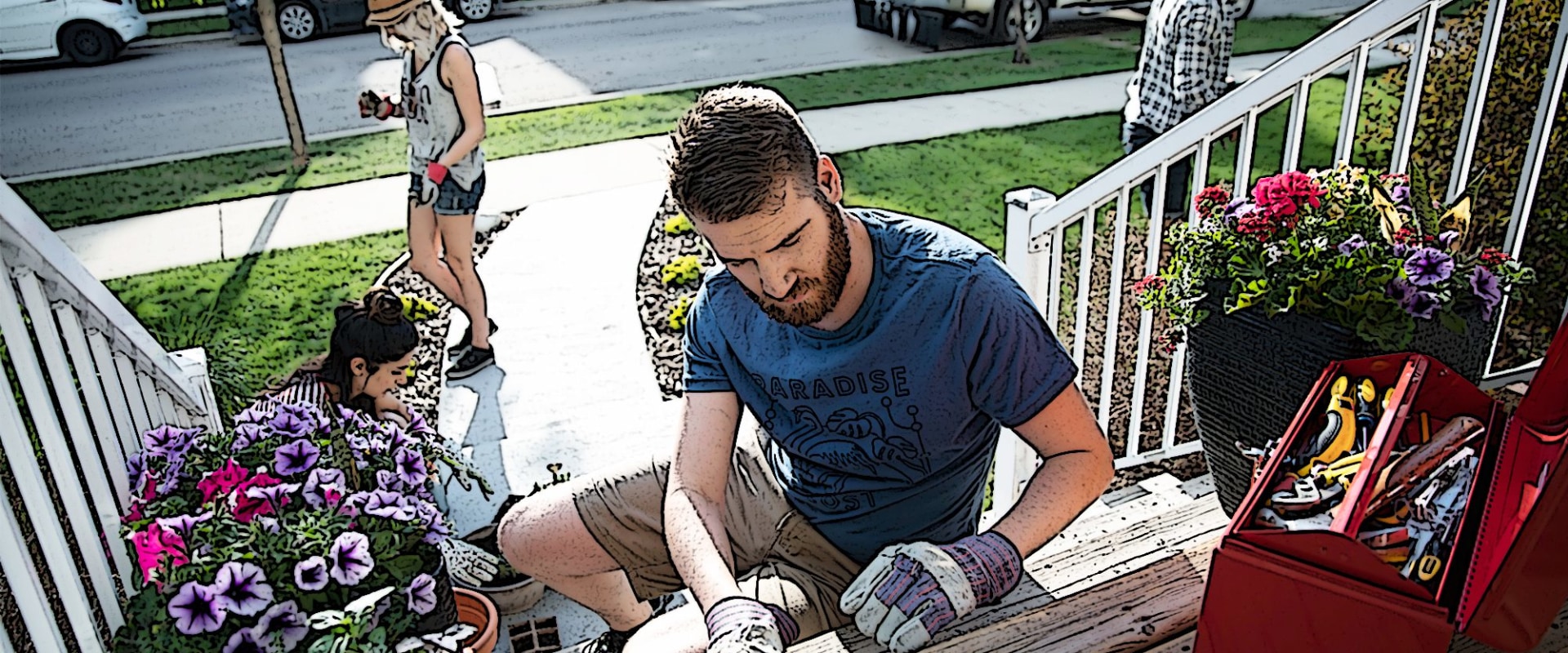
Home maintenance is a crucial aspect of homeownership that often goes overlooked until problems arise. It encompasses a wide range of tasks aimed at preserving the functionality, safety, and aesthetic appeal of your property. From routine inspections to seasonal repairs, understanding the fundamentals of home maintenance can significantly impact not only the longevity of your home but also its overall value. By prioritising these tasks, homeowners can prevent minor issues from escalating into costly repairs, ensuring that their living environment remains safe and comfortable. The importance of home maintenance cannot be overstated.
Regular upkeep helps to identify potential hazards, such as electrical faults or plumbing leaks, before they become serious threats. Moreover, a well-maintained home is more energy-efficient, which can lead to substantial savings on utility bills over time. This proactive approach not only enhances the quality of life for residents but also contributes to the property’s marketability should you decide to sell in the future. In essence, home maintenance is about more than just aesthetics; it is an investment in your property’s future. By establishing a comprehensive maintenance plan that includes both interior and exterior tasks, homeowners can create a safe and welcoming environment while safeguarding their financial investment.
This article will delve deeper into effective strategies for preparing for home maintenance and repairs, ensuring that you are well-equipped to tackle any challenges that may arise.
Creating a Home Maintenance Schedule
Establishing a home maintenance schedule is essential for ensuring the longevity and safety of your property. By planning regular upkeep, you can prevent minor issues from escalating into costly repairs. Here’s how to create an effective maintenance schedule that incorporates both monthly and seasonal tasks.Monthly Home Maintenance Tasks
To keep your home in optimal condition, consider dedicating time each month to specific maintenance tasks. Here are some key activities to include:- Inspect Smoke and Carbon Monoxide Alarms: Test alarms monthly to ensure they are functioning correctly.
Replace batteries as needed.
- Check Air Filters: Clean or replace air filters in your heating and cooling systems to maintain air quality and efficiency.
- Examine Plumbing Fixtures: Look for leaks under sinks and around toilets. Address any issues promptly to prevent water damage.
- Clean Kitchen Appliances: Regularly clean the refrigerator coils and oven to enhance performance and efficiency.
Seasonal Home Maintenance Tasks
In addition to monthly tasks, seasonal maintenance is crucial for preparing your home for changing weather conditions. Here’s a breakdown of essential seasonal tasks:- Spring:
- Inspect the roof for damage after winter weather.
- Clean gutters and downspouts to prevent water damage.
- Service your air conditioning unit before the heat of summer arrives.
- Summer:
- Check outdoor faucets and hoses for leaks.
- Inspect decks and patios for wear and tear, making necessary repairs.
- Maintain landscaping by trimming trees and bushes away from the house.
- Autumn:
- Prepare heating systems for winter by scheduling a professional inspection.
- Clean out gutters again to remove fallen leaves.
- Seal windows and doors to improve energy efficiency during colder months.
- winter:
- Inspect insulation in attics and basements to ensure warmth retention.
- Check for ice dams on the roof that could cause leaks.
- Test your emergency heating system or generator in case of power outages.
Essential Tools and Supplies for Home Maintenance
When it comes to home maintenance, having the right tools and supplies on hand can make all the difference.Whether you're tackling minor repairs or performing routine upkeep, a well-stocked toolkit can save you time, money, and frustration. Below is a comprehensive list of essential tools and supplies every homeowner should consider having readily available.
Basic Hand Tools
- Screwdrivers: A set of both flathead and Phillips screwdrivers in various sizes is crucial for assembling furniture, tightening loose screws, and more.
- Hammer: A good-quality hammer is essential for hanging pictures, assembling furniture, and general repairs.
- Pliers: Needle-nose pliers and standard pliers are useful for gripping, twisting, and cutting wires or small objects.
- Wrenches: An adjustable wrench and a set of socket wrenches will help you tackle plumbing tasks and other mechanical repairs.
Power Tools
- Drill: A cordless drill is invaluable for drilling holes and driving screws quickly and efficiently.
- Saw: A circular saw or jigsaw can be useful for cutting wood for various projects around the home.
Measuring and Leveling Tools
- Tape Measure: Accurate measurements are key to any project; a sturdy tape measure is a must-have.
- Level: A spirit level ensures that your shelves, frames, and other installations are perfectly straight.
Essential Supplies
- Duct Tape: This versatile tape can be used for quick fixes on almost anything from leaky pipes to broken furniture.
- Paint Supplies: Keep brushes, rollers, painter's tape, and drop cloths handy for touch-ups or full repaints.
- Cleaning Supplies: Stock up on sponges, rags, brooms, mops, and cleaning solutions to maintain a tidy home environment.
Conducting Regular Inspections
Regular inspections are a crucial aspect of home maintenance, ensuring that your property remains safe, functional, and aesthetically pleasing.By conducting thorough checks on various components of your home, you can identify potential issues before they escalate into costly repairs. Here’s a detailed guide on what to inspect and how often.
Key Areas to Inspect
- Roof: Inspect your roof at least twice a year, ideally in spring and autumn. Look for missing or damaged shingles, signs of wear, and any debris that may have accumulated. Pay attention to flashing around chimneys and vents, as these areas are prone to leaks.
- Gutters: Clean and inspect gutters every six months.
Ensure they are free from leaves and debris to prevent water damage. Check for any sagging or misalignment that could lead to overflow.
- Plumbing: Regularly check for leaks under sinks, around toilets, and in exposed pipes. Inspect water pressure and ensure that drains are clear. Consider an annual inspection by a professional plumber to catch hidden issues.
- Electrical Systems: Examine your electrical outlets and switches for any signs of wear or damage.
Test smoke alarms monthly and replace batteries as needed. Schedule a professional inspection every few years to ensure safety.
- HVAC Systems: Change air filters every 1-3 months and schedule annual servicing for your heating and cooling systems. This not only improves efficiency but also extends the lifespan of your units.
- Foundation: Inspect the foundation for cracks or signs of settling. Look for water pooling around the base of your home, which could indicate drainage issues.
Creating a Home Inspection Checklist
A well-structured checklist can help streamline the inspection process.Here’s a simple template you can follow:
- Check roof condition (shingles, flashing, debris)
- Inspect gutters (cleanliness, alignment)
- Examine plumbing (leaks, water pressure)
- Test electrical systems (outlets, smoke alarms)
- Service HVAC systems (filters, professional check)
- Assess foundation (cracks, drainage)
Budgeting for Home Maintenance and Repairs
Creating a budget for home maintenance and repairs is essential for every homeowner, as it helps to ensure that your property remains in good condition while also preventing unexpected financial strain. A well-planned budget allows you to allocate funds for routine upkeep and unforeseen repairs, ultimately saving you money in the long run. As a general guideline, financial experts recommend setting aside between 1% to 4% of your home’s value each year for maintenance and repairs. For instance, if your home is valued at £250,000, you should aim to save between £2,500 and £10,000 annually.This range accounts for both minor repairs and larger projects that may arise over time. To effectively manage your home maintenance budget, consider the following strategies:
- Create a detailed list of potential repairs: Identify areas in your home that may require attention, such as the roof, plumbing, electrical systems, and appliances. This proactive approach will help you estimate costs more accurately.
- Prioritise repairs: Not all repairs are urgent. Classify them into categories such as immediate, short-term, and long-term needs. This will help you focus on what requires immediate attention while planning for future expenses.
- Establish an emergency fund: Set aside a portion of your budget specifically for unexpected repairs.
Aim for at least 10% of your annual maintenance budget to cover emergencies like a broken boiler or a leaky roof.
- Review and adjust your budget regularly: Your home’s needs may change over time due to wear and tear or changes in family size. Regularly reviewing your budget will help you stay on track and make necessary adjustments.
By budgeting wisely and preparing for both routine maintenance and unexpected repairs, you can enjoy peace of mind knowing that your home is well cared for.
Common Home Maintenance Tasks by Season
Maintaining a home is an ongoing responsibility that varies with the seasons. Each season presents unique challenges and opportunities for upkeep, ensuring your property remains safe, functional, and aesthetically pleasing. Below is a detailed breakdown of essential home maintenance tasks to tackle throughout the year.Spring Maintenance Checklist
As the weather warms up, spring is the ideal time to conduct a thorough inspection of your home. Here are key tasks to include in your spring maintenance checklist:- Inspect the Roof: Check for any damage from winter storms, including missing or broken shingles.
Addressing these issues early can prevent leaks and costly repairs later.
- Clean Gutters and Downspouts: Remove debris to ensure proper drainage and prevent water damage to your home’s foundation.
- Service HVAC Systems: Schedule a professional inspection of your heating and cooling systems to ensure they operate efficiently as temperatures rise.
- Check Windows and Doors: Inspect seals and weather stripping for wear. Replacing these can improve energy efficiency and reduce utility bills.
- Inspect Outdoor Spaces: Look for any signs of wear on decks, patios, and fences. Repair or replace any damaged areas to maintain safety and aesthetics.
Summer Maintenance Tasks
Summer is a great time for outdoor projects. Consider the following tasks:- Lawn Care: Regular mowing, watering, and fertilising will keep your lawn healthy.
Also, consider aerating the soil to promote growth.
- Inspect Sprinkler Systems: Ensure that all components are functioning correctly to maintain an efficient watering schedule.
- Paint and Stain Exteriors: Protect wood surfaces by applying paint or stain as needed. This not only enhances appearance but also extends the life of materials.
Autumn Preparations
As temperatures begin to drop, it’s crucial to prepare your home for winter:- Winterize Outdoor Faucets: Drain and shut off exterior faucets to prevent freezing and bursting pipes.
- Inspect Heating Systems: Have your furnace serviced before the cold sets in. Replace filters and check for any necessary repairs.
- Clean Chimneys: If you use a fireplace, ensure it is cleaned and inspected annually to prevent chimney fires.
Winter Maintenance Essentials
The winter months require specific attention to keep your home safe from harsh weather conditions:- Monitor Indoor Humidity: Use a humidifier if necessary to prevent dry air from damaging woodwork and causing respiratory issues.
- Check Insulation: Ensure that attics, basements, and crawl spaces are properly insulated to maintain energy efficiency.
- Inspect Emergency Supplies: Keep an emergency kit stocked with essentials like flashlights, batteries, food supplies, and blankets in case of severe weather.
When to Hire Professionals vs.
DIY Repairs
When it comes to home maintenance and repairs, homeowners often face the dilemma of whether to tackle a project themselves or hire a professional. Understanding the nuances of DIY versus professional repairs can save you time, money, and stress.
Assessing Your Skills and Experience
Before deciding on a course of action, evaluate your own skills and experience. If you have a background in home improvement or have successfully completed similar projects in the past, you may feel confident taking on minor repairs. However, if the task involves complex systems such as plumbing, electrical work, or structural changes, it’s wise to consider hiring a professional.
When to Consider Hiring a Professional
- Complexity of the Task: If the repair requires specialised knowledge or tools that you do not possess, it’s best to consult a contractor.
- Time Constraints: If you have a busy schedule and cannot dedicate sufficient time to complete the project, hiring a professional can ensure timely completion.
- Safety Concerns: Tasks that pose safety risks, such as roof repairs or electrical work, should be left to trained professionals to avoid accidents.
- Permits and Regulations: Some repairs require permits or must adhere to local building codes.
Professionals are familiar with these regulations and can navigate them efficiently.
Finding Reliable Contractors
If you decide to hire a professional, finding a reliable contractor is crucial. Here are some tips:
- Ask for Recommendations: Seek referrals from friends, family, or neighbours who have had positive experiences with contractors.
- Check Online Reviews: Websites like Trustpilot or Google Reviews can provide insights into a contractor’s reputation.
- Verify Credentials: Ensure that the contractor is licensed and insured. This protects you from liability in case of accidents during the job.
- Get Multiple Quotes: Obtain estimates from several contractors to compare prices and services offered.
The Benefits of DIY Repairs
If you choose to go the DIY route for simpler tasks like painting or minor landscaping, you can save money and gain satisfaction from completing the work yourself. Just ensure that you have the right tools and materials before starting your project. Ultimately, knowing when to hire professionals versus when to attempt repairs yourself is key to effective home maintenance.
By making informed decisions based on your skills and the nature of the repair, you can maintain your home efficiently while avoiding unnecessary costs.
Emergency Preparedness in Home Maintenance
Being prepared for emergencies related to home maintenance is crucial for every homeowner. Emergencies can arise unexpectedly, and having a plan in place can save you time, money, and stress. Here are some essential steps to ensure you are ready for any home maintenance emergencies.Create an Emergency Plan
- Identify Potential Emergencies: Consider the types of emergencies that could occur in your home, such as plumbing leaks, electrical failures, or severe weather damage. Understanding these risks will help you prepare effectively.
- Establish a Communication Plan: Ensure that all family members know how to reach each other in case of an emergency.
Designate a meeting point outside the home where everyone can gather safely.
- Document Important Information: Keep a list of emergency contacts, including local repair services, utility companies, and family members. Store this information in an easily accessible location.
Gather Necessary Supplies
- Emergency Repair Kit: Assemble a kit containing essential tools and materials for quick repairs. This should include items like duct tape, a wrench, pliers, a flashlight, batteries, and a first aid kit.
- Basic Home Maintenance Supplies: Stock up on common maintenance items such as spare light bulbs, fuses, and plumbing supplies like sealants and pipe tape. Having these on hand can help you address minor issues before they escalate.
- Emergency Water Supply: In case of plumbing failures or natural disasters, keep a supply of bottled water available for drinking and sanitation purposes.
Know How to Handle Emergencies
- Shut Off Valves: Familiarise yourself with the location of your main water shut-off valve and electrical panel.
Knowing how to turn these off quickly can prevent extensive damage during a plumbing or electrical emergency.
- Practice Safety First: In any emergency situation, prioritise safety. If you smell gas or see sparks from electrical outlets, evacuate immediately and call the appropriate services.
- Document Damage: If an emergency occurs, take photos of any damage for insurance purposes. This documentation can be invaluable when filing claims or seeking repairs.
FAQs About Home Maintenance Preparation
When it comes to home maintenance, many homeowners have questions about how to best prepare for upkeep and repairs.Here are some frequently asked questions that can help clarify common concerns.
What are the most important home maintenance tasks?
Prioritising your home maintenance tasks is essential for ensuring the longevity and safety of your property. Key tasks include:- Regular inspections: Check your roof, gutters, and foundation for any signs of damage.
- Seasonal cleaning: Clean gutters and downspouts, and inspect your heating and cooling systems.
- Safety checks: Test smoke alarms and carbon monoxide detectors monthly.
- Landscaping maintenance: Trim trees and shrubs to prevent damage to your home.
How often should I perform home maintenance?
The frequency of home maintenance tasks can vary based on the season and specific needs of your home. However, a general guideline is:- Monthly: Check smoke alarms, replace air filters, and inspect plumbing for leaks.
- Quarterly: Inspect the exterior of your home for any signs of wear or damage.
- Annually: Schedule professional inspections for your roof, chimney, and HVAC systems.
What should I do if I find a problem during my inspection?
If you discover an issue during your inspection, it’s crucial to address it promptly. Depending on the severity of the problem, you may choose to:- Tackle minor repairs yourself: Small issues like patching drywall or changing a faucet can often be handled without professional help.
- Consult a professional: For more significant problems such as electrical issues or structural damage, hiring a qualified contractor is advisable.
How can I budget for home maintenance?
A good rule of thumb is to set aside 1-4% of your home's value each year for maintenance.This budget can help cover routine upkeep as well as unexpected repairs. Additionally, consider creating a savings plan that allocates funds monthly to ensure you’re prepared when issues arise. By addressing these common questions about home maintenance, homeowners can better prepare themselves for the responsibilities that come with maintaining their property effectively.
Conclusion: The Importance of Proactive Home Maintenance
In conclusion, the significance of proactive home maintenance cannot be overstated. By taking a systematic approach to maintaining your home, you not only enhance its aesthetic appeal but also safeguard its structural integrity and value over time. Regular inspections and timely repairs can prevent minor issues from escalating into major problems that could require costly interventions. Throughout this article, we have explored various aspects of home maintenance, including the importance of creating a comprehensive maintenance schedule, budgeting for repairs, and understanding the seasonal tasks that are essential for keeping your home in optimal condition.Each of these elements plays a crucial role in ensuring that your living environment remains safe and comfortable. Moreover, being proactive about home maintenance fosters a sense of responsibility and ownership. Homeowners who engage in regular upkeep are more likely to notice potential issues early on, allowing them to address concerns before they become emergencies. This not only saves money but also reduces stress associated with unexpected repairs. Additionally, maintaining your home can significantly impact its resale value. A well-kept property is more attractive to potential buyers and can command a higher price in the market.
By investing time and resources into regular maintenance, you are essentially investing in your future financial security. In summary, adopting a proactive stance towards home maintenance is essential for preserving both the safety and value of your property. By implementing the strategies discussed in this article, you can ensure that your home remains a safe haven for you and your family while also protecting your investment for years to come.