House Log / Guide
Creating an Effective Home Maintenance Plan: A Comprehensive Guide
Learn how to create an effective home maintenance plan to protect your investment and ensure a safe living environment for your family.

Home maintenance is an essential aspect of homeownership that often goes overlooked until problems arise. It encompasses a wide range of tasks aimed at preserving the functionality, safety, and aesthetic appeal of your property. From routine inspections to seasonal upkeep, understanding the importance of home maintenance can save homeowners significant time and money in the long run. By proactively addressing potential issues, you can prevent minor repairs from escalating into major renovations, ensuring your home remains a safe and comfortable environment for you and your family. One of the primary benefits of having a structured maintenance plan is that it provides a clear roadmap for managing your home’s upkeep.
A well-organised plan not only outlines specific tasks that need to be completed but also schedules them at appropriate intervals. This systematic approach helps to ensure that no critical maintenance tasks are overlooked, reducing the risk of unexpected breakdowns or costly repairs. Furthermore, a maintenance plan can enhance the longevity of your home’s systems and components, from plumbing and electrical systems to roofing and landscaping. Moreover, regular home maintenance contributes to improved energy efficiency, which can lead to lower utility bills. For instance, maintaining heating and cooling systems ensures they operate at peak efficiency, while proper insulation and weatherproofing can significantly reduce energy consumption.
Additionally, a well-maintained home is more appealing to potential buyers should you decide to sell in the future. Homes that have been cared for tend to command higher market values and attract more interest. In summary, understanding the significance of home maintenance is crucial for every homeowner. By implementing a comprehensive maintenance plan, you not only protect your investment but also enhance your quality of life. The peace of mind that comes from knowing your home is in good condition cannot be overstated; it allows you to focus on what truly matters—enjoying your living space with family and friends.
Assessing Your Home's Maintenance Needs
To create an effective home maintenance plan, the first step is to thoroughly assess your home’s maintenance needs.This involves taking a detailed inventory of all systems and components that require regular upkeep. By understanding what needs attention, you can ensure that your home remains in optimal condition.
1.Inventory Your Home Systems
- Heating and Cooling Systems: Check your boiler, furnace, air conditioning units, and any other heating or cooling systems. Note their age, last service date, and any issues encountered.
- Plumbing: Inspect pipes, faucets, toilets, and water heaters. Look for leaks or signs of wear that may require immediate attention.
- Electrical Systems: Review your electrical panel, outlets, and wiring.
Ensure that all systems are functioning correctly and safely.
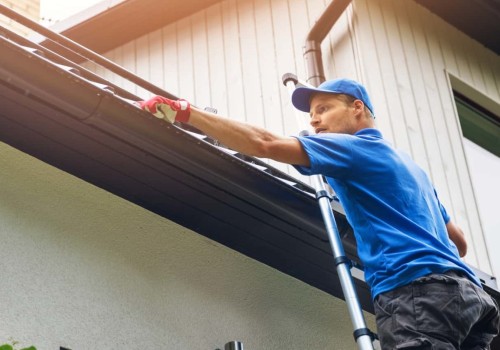
- Roofing and Gutters: Examine the roof for missing shingles or damage. Clean gutters to prevent water damage and ensure proper drainage.
- Exterior Maintenance: Assess the condition of siding, windows, and doors. Look for cracks or areas needing paint to protect against the elements.
- Appliances: List all major appliances such as refrigerators, ovens, and washing machines. Check their service history and any recurring issues.
2.Identify Specific Maintenance Tasks
Once you have compiled a comprehensive inventory of your home systems, the next step is to identify specific maintenance tasks associated with each item.
This will help you create a structured maintenance schedule.
- Regular Inspections: Schedule routine inspections for heating and cooling systems at least once a year to ensure they are operating efficiently.
- Filter Changes: For HVAC systems, change filters every 1-3 months to maintain air quality and system efficiency.
- Plumbing Checks: Inspect plumbing fixtures quarterly for leaks or corrosion; consider flushing your water heater annually to remove sediment buildup.
- Electrical Safety: Test smoke detectors monthly and replace batteries as needed; consider having a professional inspect your electrical system every few years.
- Roof Maintenance: Inspect your roof biannually for damage; clean gutters at least twice a year to prevent blockages.
Creating a Comprehensive Maintenance Checklist
Creating a comprehensive maintenance checklist is essential for homeowners who want to keep their properties in optimal condition. A well-structured checklist not only helps in tracking essential maintenance tasks but also ensures that seasonal requirements are met, preventing costly repairs down the line. To begin, it’s important to categorise your maintenance tasks into two main groups: essential maintenance tasks and seasonal maintenance tasks. This approach allows for a systematic review of what needs to be done throughout the year.Essential Maintenance Tasks
- Inspect and Clean Gutters: Regularly check your gutters for debris and blockages.
Clean them at least twice a year to prevent water damage.
- Check Smoke and Carbon Monoxide Detectors: Test these devices monthly and replace batteries at least once a year to ensure safety.
- Service Heating and Cooling Systems: Schedule annual inspections for your HVAC systems to maintain efficiency and prolong their lifespan.
- Inspect Roof and Attic: Look for signs of wear or leaks. Addressing issues early can save you from expensive repairs later.
- Maintain Landscaping: Regularly trim trees and shrubs, and check for any overgrowth that could damage your home’s exterior.
Seasonal Maintenance Tasks
- Spring: Clean windows, inspect outdoor furniture, and prepare your garden for planting. This is also a good time to check your irrigation system.
- Summer: Inspect the exterior paint and siding for any damage. Ensure that outdoor equipment is in good working order.
- Autumn: Prepare your home for winter by checking insulation, sealing gaps around windows and doors, and servicing heating systems.
- Winter: Monitor indoor humidity levels, check for ice dams on the roof, and ensure that heating systems are functioning properly.
Consider creating a digital version that can be easily updated as tasks are completed or as new ones arise. By maintaining this checklist, you will not only enhance the longevity of your home but also create a safer living environment for you and your family.
Scheduling Your Maintenance Tasks
Creating a well-structured maintenance schedule is essential for ensuring that your home remains in optimal condition throughout the year. By planning your home maintenance tasks effectively, you can prevent minor issues from escalating into costly repairs. Here are some key considerations for scheduling your maintenance tasks.Understanding the Frequency of Tasks
Different maintenance tasks require varying frequencies based on their nature and the time of year.For instance, seasonal tasks such as gutter cleaning or HVAC servicing should be scheduled at specific times to align with seasonal changes. Here’s a breakdown of common tasks and their recommended frequencies:
- Monthly: Check smoke detectors, replace air filters, and inspect fire extinguishers.
- Quarterly: Test your home’s security system, clean kitchen appliances, and inspect plumbing for leaks.
- Biannually: Service heating and cooling systems, clean out gutters, and check for signs of pests.
- Annually: Conduct a thorough inspection of the roof, paint exterior surfaces, and service major appliances.
Creating a Maintenance Calendar
A maintenance calendar is a practical tool that helps you visualise when each task should be completed. You can create a physical calendar or use digital tools like apps or spreadsheets to keep track of your schedule. Here are some tips for creating an effective maintenance calendar:- List All Tasks: Start by compiling a comprehensive list of all maintenance tasks that need to be performed throughout the year.
- Assign Dates: Based on the frequency of each task, assign specific dates or months when they should be completed.
- Set Reminders: Use reminders or alerts to notify you ahead of time so that you can prepare for each task.
- Review Regularly: Periodically review your calendar to adjust any tasks based on changing needs or priorities.
Remember that consistency is key; regular attention to maintenance tasks will save you time and money in the long run.
Budgeting for Home Maintenance
Creating a budget for home maintenance is essential for every homeowner, as it helps to ensure that your property remains in good condition while also preparing you for unexpected repairs. A well-structured maintenance budget not only covers routine upkeep but also accounts for unforeseen issues that may arise.Estimating Routine Maintenance Costs
- Start by assessing the age and condition of your home. Older homes may require more frequent repairs and maintenance.
- Consider the various systems in your home, such as plumbing, electrical, roofing, and HVAC. Each of these systems has its own maintenance needs and costs associated with them.
- On average, homeowners should allocate about 1% to 3% of their home’s value annually for maintenance.
For example, if your home is valued at £250,000, you should budget between £2,500 and £7,500 each year.
Planning for Unexpected Repairs
No matter how well you maintain your home, unexpected repairs can occur. To prepare for these situations:
- Create an emergency fund specifically for home repairs. Aim to save at least £1,000 to £2,000 to cover urgent issues like plumbing leaks or roof damage.
- Keep track of common problems in your area or within your home’s specific systems. This knowledge can help you anticipate potential costs.
- Consider setting aside a percentage of your monthly income dedicated to home maintenance.
This can help you build a cushion over time.
Financial Planning Tips
- Review your budget regularly to adjust for any changes in maintenance needs or costs.
- Prioritise repairs based on urgency and impact on safety or functionality. This will help you allocate funds effectively.
- Research local contractors and service providers to get an idea of typical costs for various maintenance tasks. This information will aid in creating a more accurate budget.
DIY vs Professional Help: Making the Right Choice
When it comes to home maintenance, one of the most significant decisions homeowners face is whether to tackle tasks themselves or hire professionals. Each option has its own set of advantages and disadvantages, and understanding these can help you make an informed choice that aligns with your skills, time availability, and budget.Pros and Cons of DIY Home Maintenance
Taking on maintenance tasks yourself can be rewarding and cost-effective.Here are some benefits:
- Cost Savings: By doing the work yourself, you can save on labour costs, which can be substantial for many home maintenance tasks.
- Skill Development: DIY projects allow you to learn new skills and gain confidence in your abilities, which can be beneficial for future home repairs.
- Flexibility: You can work on your schedule, allowing you to fit maintenance tasks around your other commitments.
- Time-Consuming: DIY projects can take longer than anticipated, especially if you encounter unexpected challenges.
- Lack of Expertise: Without the necessary skills or experience, you may end up making mistakes that could lead to more significant issues down the line.
- Safety Risks: Some tasks may pose safety hazards, particularly if they involve electrical work or heavy lifting.
When to Hire Professionals
While DIY can be a great option for many tasks, there are situations where hiring a professional is the better choice. Consider the following criteria:- Complexity of the Task: If a job requires specialised knowledge or tools—such as plumbing or electrical work—it’s often best left to professionals.
- Lack of Time: If your schedule is already packed, hiring someone may be more efficient than trying to squeeze in a DIY project.
- Quality Assurance: Professionals bring expertise and experience that can ensure the job is done correctly and safely, potentially saving you money in the long run by avoiding costly mistakes.
Cost Comparison: DIY vs Professional Help
The cost of home maintenance can vary significantly between DIY and professional services. While DIY may seem cheaper at first glance, it’s essential to factor in the value of your time and any potential costs associated with mistakes. For example:- If a DIY project takes several weekends and results in errors that require professional correction, the initial savings may quickly evaporate.
- On the other hand, hiring a professional might involve higher upfront costs but could save you time and stress, allowing you to focus on other priorities.
By weighing these factors thoughtfully, you can ensure that your home remains well-maintained without unnecessary stress or expense.
Utilising Technology in Home Maintenance Planning
In today's fast-paced world, leveraging technology for home maintenance planning can significantly enhance efficiency and organisation. With a plethora of tools available, homeowners can streamline their maintenance tasks, ensuring that nothing falls through the cracks.Home Maintenance Apps
One of the most effective ways to manage home maintenance is through dedicated apps. These applications are designed to help users track tasks, set reminders, and even manage budgets. Popular options include:
- HomeZada: This app offers a comprehensive platform for managing home maintenance, including a digital checklist for tasks and reminders for seasonal upkeep.
- BrightNest: BrightNest provides tailored maintenance tips and reminders based on your home’s specific needs, making it easier to stay on top of essential tasks.
- TaskRabbit: While primarily a service for hiring help, TaskRabbit can also be used to schedule maintenance tasks by connecting you with local professionals.
Technology for Scheduling
Scheduling is a critical component of any maintenance plan.
Digital calendars and scheduling tools can help homeowners allocate time effectively. Tools like Google Calendar or Microsoft Outlook allow users to set recurring events for regular maintenance tasks, ensuring they are not overlooked. Additionally, some apps offer push notifications to remind users of upcoming tasks, which can be particularly useful for seasonal maintenance.
Digital Checklists for Maintenance
Creating digital checklists is another way technology can aid in home maintenance planning. These checklists can be customised to include all necessary tasks, from changing air filters to inspecting smoke detectors.
By having a visual representation of what needs to be done, homeowners can easily track their progress and ensure that all aspects of their home are well-maintained. Many apps allow users to share these checklists with family members or housemates, promoting accountability and teamwork in maintaining the home. In conclusion, utilising technology in home maintenance planning not only simplifies the process but also enhances the overall effectiveness of your maintenance strategy. By incorporating apps, scheduling tools, and digital checklists into your routine, you can ensure that your home remains in optimal condition with minimal effort.
Common Home Maintenance Mistakes to Avoid
Home maintenance is essential for preserving the value and safety of your property. However, many homeowners fall into common traps that can lead to costly repairs and diminished home value.Understanding these pitfalls is crucial for effective upkeep.
Neglecting Regular Inspections
One of the most significant mistakes homeowners make is failing to conduct regular inspections of their property. Routine checks can help identify potential issues before they escalate into major problems. For instance, inspecting your roof for missing shingles or checking for signs of water damage in the basement can save you from expensive repairs down the line.Ignoring Seasonal Maintenance
Each season brings its own set of maintenance tasks that should not be overlooked. For example, cleaning gutters in the autumn prevents water damage during winter, while servicing your heating system before the cold months ensures efficiency and safety.Create a seasonal checklist to keep track of these essential tasks.
Overlooking Small Repairs
Many homeowners tend to ignore minor repairs, thinking they can address them later. This approach can lead to larger issues. A small leak under the sink, if left unattended, can result in mould growth and structural damage. Always address small repairs promptly to avoid escalating costs.Using Incorrect Products
Another common mistake is using the wrong cleaning or maintenance products for specific tasks.For instance, using abrasive cleaners on delicate surfaces can cause irreversible damage. Always read labels and choose products that are suitable for the materials you are working with.
Neglecting Outdoor Spaces
Your home's exterior is just as important as its interior. Failing to maintain outdoor spaces can lead to issues such as pest infestations or landscape overgrowth that affects drainage. Regularly trim hedges, mow lawns, and inspect fences to keep your property looking its best.Not Keeping Records
Finally, many homeowners do not keep detailed records of maintenance activities.Documenting repairs, inspections, and upgrades not only helps you stay organised but also provides valuable information when selling your home. A well-maintained record can enhance your property's appeal to potential buyers. Avoiding these common home maintenance mistakes will help you maintain a safe and efficient living environment while protecting your investment in your property.
FAQs About Home Maintenance Plans
Home maintenance can often feel overwhelming, especially for new homeowners or those who have recently taken on the responsibility of managing their property. To help alleviate some of this stress, we’ve compiled a list of frequently asked questions regarding home maintenance plans. These answers aim to provide clarity and guidance on common concerns.What is a home maintenance plan?
A home maintenance plan is a structured approach to keeping your home in optimal condition.It outlines regular tasks that need to be performed, such as inspections, repairs, and seasonal upkeep. By following a maintenance plan, homeowners can prevent costly repairs and ensure their property remains safe and functional.
Why is a maintenance plan important?
Having a maintenance plan is crucial for several reasons:- Prevention of Major Issues: Regular maintenance helps identify potential problems before they escalate into significant repairs.
- Increased Property Value: A well-maintained home retains its value better than one that is neglected.
- Safety: Regular checks can prevent accidents caused by faulty systems or equipment.
How often should I perform maintenance tasks?
The frequency of maintenance tasks can vary based on the specific needs of your home. However, here are some general guidelines:- Monthly: Check smoke detectors, replace air filters, and inspect fire extinguishers.
- Seasonally: Clean gutters, check for leaks in plumbing, and inspect heating/cooling systems.
- Annually: Schedule professional inspections for your roof, HVAC system, and electrical systems.
What should I include in my home maintenance checklist?
Your home maintenance checklist should cover various areas of your property. Key items to include are:- Roof inspections and gutter cleaning
- HVAC system servicing
- Pest control measures
- Exterior painting and siding checks
- Plumbing inspections for leaks
How can I create a budget for my home maintenance?
Creating a budget for home maintenance involves estimating costs for both routine tasks and unexpected repairs.Start by reviewing past expenses to identify trends. Allocate funds monthly or annually based on these insights, ensuring you have a reserve for emergencies. If you have further questions about specific aspects of home maintenance or need tailored advice, consider consulting with a professional who can provide insights based on your unique situation.
Conclusion: The Importance of a Proactive Maintenance Approach
In conclusion, establishing a comprehensive home maintenance plan is not merely a suggestion; it is a necessity for every homeowner. A well-structured maintenance strategy not only prolongs the lifespan of your home but also enhances its value and ensures a safe living environment. By adopting a proactive approach to home maintenance, you can significantly reduce the likelihood of unexpected repairs and the associated costs that come with them. Throughout this article, we have explored various aspects of creating an effective maintenance plan.From identifying essential tasks to scheduling regular inspections, each step plays a crucial role in maintaining the integrity of your home. Here are some key takeaways:
- Inventory Your Assets: Begin by cataloguing all systems and components within your home that require regular upkeep, such as plumbing, electrical systems, and HVAC units.
- Prioritise Tasks: Not all maintenance tasks hold equal importance. Focus on those that can prevent significant issues down the line, such as roof inspections and gutter cleaning.
- Create a Schedule: Develop a timeline for when each task should be completed. This could be monthly, quarterly, or annually, depending on the nature of the task.
- Document Everything: Keep detailed records of all maintenance activities.
This documentation will be invaluable for future reference and can aid in resale value.
- Engage Professionals When Necessary: While many tasks can be handled independently, do not hesitate to call in professionals for complex jobs that require specialised skills.