House Log / Guide
Essential Guide to Home Maintenance: Understanding Routine Maintenance Requirements
Discover the importance of routine home maintenance and learn essential tasks to keep your property safe, functional, and valuable.
Home maintenance is a crucial aspect of property ownership that often goes overlooked until issues arise. It encompasses a wide range of tasks aimed at preserving the integrity, safety, and value of your home. Regular upkeep not only enhances the aesthetic appeal of your property but also plays a significant role in preventing costly repairs down the line. By investing time and resources into routine maintenance , homeowners can ensure that their living environment remains safe and functional. The importance of home maintenance cannot be overstated.
A well-maintained home is less likely to suffer from structural problems, pest infestations, or health hazards such as mould and mildew. Furthermore, routine checks and repairs can significantly extend the lifespan of essential systems like plumbing, electrical, and heating. This proactive approach not only safeguards your investment but also contributes to a more comfortable living experience for you and your family. Understanding the various components of home maintenance is essential for any homeowner. It involves regular inspections, cleaning, and minor repairs that can prevent larger issues from developing.
For instance, checking the roof for leaks, cleaning gutters, and servicing heating systems are all part of a comprehensive maintenance plan. By establishing a routine schedule for these tasks, homeowners can effectively manage their properties and avoid the stress associated with unexpected breakdowns or emergencies. In summary, home maintenance is an ongoing commitment that requires attention to detail and a proactive mindset. By prioritising routine maintenance tasks, you not only protect your investment but also create a safe and welcoming environment for all who enter your home.
What is Routine Maintenance?
Routine maintenance is a systematic approach to ensuring that equipment, systems, and structures remain in optimal working condition. It involves a series of scheduled tasks designed to prevent unexpected failures and prolong the lifespan of assets.Unlike reactive maintenance, which occurs after a problem has manifested, routine maintenance is proactive, focusing on identifying potential issues before they escalate.
Definition of Routine Maintenance
At its core, routine maintenance encompasses a variety of tasks that are performed regularly to keep machinery and systems functioning efficiently. This can include inspections, cleaning, lubrication, adjustments, and minor repairs. The primary goal is to maintain operational efficiency and safety while minimising downtime.
Types of Routine Maintenance
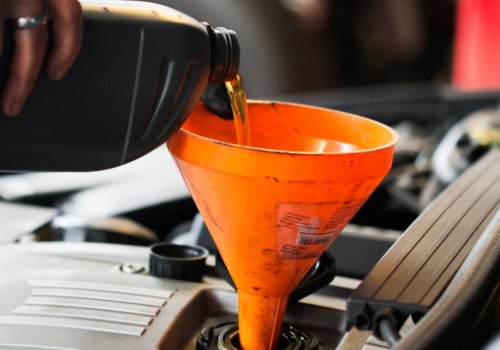
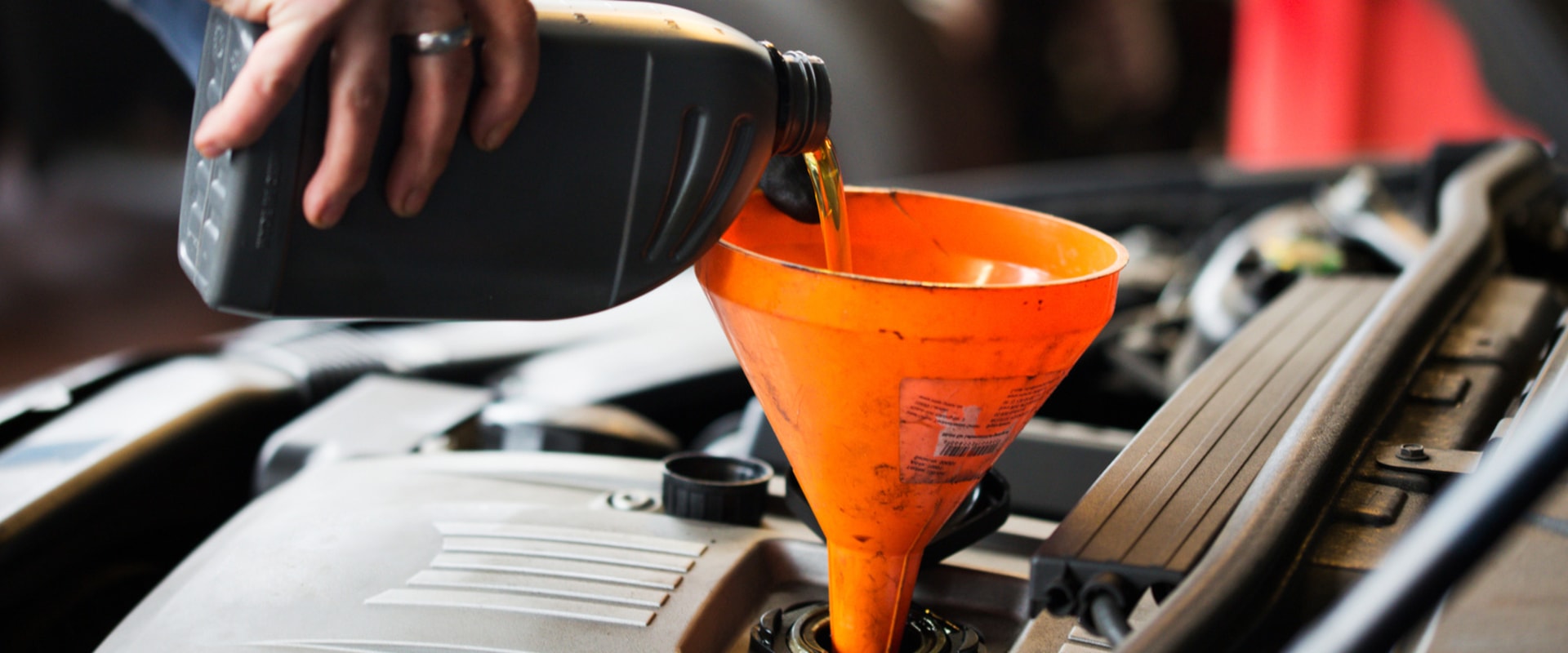
- Preventive Maintenance: This type involves scheduled inspections and servicing based on time intervals or usage metrics. For example, changing the oil in a vehicle every 5,000 miles is a common preventive maintenance task.
- Predictive Maintenance: Utilising data and analytics, predictive maintenance anticipates when equipment might fail based on its condition.
This approach allows for maintenance to be performed just in time to prevent breakdowns.
- Corrective Maintenance: While this is often seen as reactive, it can also be part of routine maintenance if it involves fixing minor issues identified during regular inspections before they lead to significant problems.
- Scheduled Maintenance: This refers to tasks that are planned at specific intervals, such as monthly or quarterly checks on HVAC systems or fire alarms.
The Importance of Routine Maintenance in Home Care
Routine maintenance is a cornerstone of effective home care, serving as a proactive approach to preserving the integrity and functionality of your property.By engaging in regular maintenance tasks, homeowners can reap numerous benefits that extend beyond mere aesthetics.
Cost Savings
are one of the most significant advantages of routine maintenance. By identifying and addressing minor issues before they escalate into major problems, homeowners can avoid costly repairs. For instance, a small leak in a roof can lead to extensive water damage if left unchecked, resulting in expensive repairs and potential loss of property value. Regular inspections can catch these issues early, allowing for timely interventions that save money in the long run.
Moreover, routine maintenance contributes to increased safety within the home.
Regular checks on essential systems such as heating, plumbing, and electrical can prevent hazardous situations. For example, ensuring that smoke detectors are functional and that electrical wiring is up to code can significantly reduce the risk of fire hazards. A well-maintained home is not only more comfortable but also safer for its occupants. Another critical aspect is the enhanced longevity of your property. Homes are significant investments, and routine maintenance helps protect that investment by prolonging the lifespan of various components.
Regularly servicing appliances, cleaning gutters, and maintaining HVAC systems ensures they operate efficiently and last longer. This not only preserves the value of your home but also enhances its appeal should you decide to sell in the future. In summary, the importance of routine maintenance in home care cannot be overstated. It offers substantial cost savings, promotes safety, and extends the life of your property. By prioritising these tasks, homeowners can enjoy a more secure and efficient living environment while safeguarding their investment for years to come.
Creating a Routine Maintenance Schedule
Creating an effective routine maintenance schedule is essential for ensuring that your home remains in optimal condition.A well-structured schedule not only helps in identifying potential issues before they escalate but also saves time and money in the long run. Here are some key steps to consider when developing your home maintenance schedule.
1.Assess Your Home's Needs
Begin by evaluating the specific maintenance requirements of your home. Different areas may have unique needs based on factors such as age, location, and materials used. For instance, a home in a humid climate may require more frequent inspections of roofing and gutters to prevent mould growth.2.Prioritise Tasks
Once you have identified the necessary maintenance tasks, prioritise them based on urgency and importance.Some tasks, like checking smoke detectors or changing air filters, should be done regularly, while others, such as deep cleaning carpets or servicing major appliances, can be scheduled less frequently. Consider categorising tasks into:
- Daily: Quick checks like inspecting for leaks or ensuring that outdoor areas are tidy.
- Weekly: Tasks such as vacuuming or cleaning kitchen surfaces.
- Monthly: More thorough inspections of plumbing fixtures and checking for signs of pests.
- Seasonal: Activities like gutter cleaning, HVAC servicing, and checking insulation.
- Annual: Comprehensive evaluations of the roof, foundation, and major systems.
3.Use Tools to Manage Your Schedule
To keep track of your maintenance tasks effectively, consider using digital tools or apps designed for home management. These tools can send reminders for upcoming tasks and allow you to log completed work. Alternatively, a simple calendar or planner can also suffice if you prefer a more traditional approach.4.Review and Adjust Regularly
Your routine maintenance schedule should be a living document that evolves with your home’s needs.Regularly review the effectiveness of your schedule and make adjustments as necessary. This could involve adding new tasks as your home ages or removing those that are no longer relevant. By following these steps to create a comprehensive routine maintenance schedule, you can ensure that your home remains safe, functional, and comfortable for years to come.
Tools and Resources for Effective Home Maintenance
Maintaining a home requires not only diligence but also the right tools and resources to ensure that routine maintenance tasks are completed efficiently and effectively. Below is a comprehensive list of essential tools and resources that every homeowner should consider for effective home upkeep.Essential Tools for Home Maintenance
- Multi-Tool : A versatile multi-tool can serve various functions, from tightening screws to cutting wires, making it an indispensable item in any homeowner's toolkit.
- Power Drill : A power drill is essential for tasks such as hanging shelves or assembling furniture. Opt for a cordless model for added convenience.
- Measuring Tape : Accurate measurements are crucial for any home improvement project.
A sturdy measuring tape will help ensure precision in your work.
- Level : To ensure that shelves, pictures, and other items are hung straight, a level is a must-have tool in your maintenance arsenal.
- Wrench Set : A set of wrenches in various sizes will help you tackle plumbing issues or tighten loose fixtures around the house.
- Screwdriver Set : Having both flathead and Phillips screwdrivers in various sizes will prepare you for any task that requires screws to be tightened or removed.
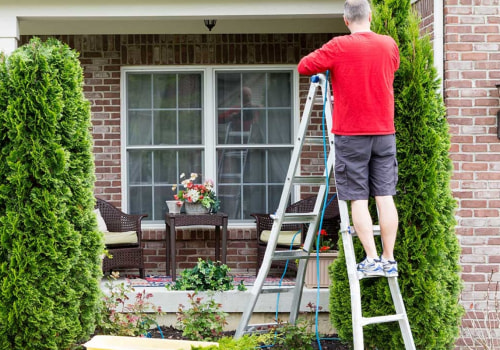
- Ladder : For tasks that require reaching high places, such as cleaning gutters or changing light bulbs, a sturdy ladder is essential.
- Safety Gear : Don’t forget to invest in safety goggles, gloves, and masks to protect yourself while performing maintenance tasks.
Digital Resources for Home Upkeep
In addition to physical tools, there are numerous digital resources available that can assist homeowners in managing their routine maintenance effectively:- Home Maintenance Apps : Applications like HomeZada or BrightNest offer reminders for routine maintenance tasks and provide checklists tailored to your home’s needs.
- YouTube Tutorials : Video tutorials can be incredibly helpful for visual learners. Channels dedicated to home improvement can guide you through various maintenance tasks step-by-step.
- Online Forums and Communities : Websites like Reddit or specialized home improvement forums allow homeowners to share tips, ask questions, and learn from each other's experiences.
- Blogs and Websites : Many home improvement blogs provide valuable insights, DIY guides, and product reviews that can help you make informed decisions about your home maintenance needs.
When to Call a Professional for Routine Maintenance
While many routine maintenance tasks can be handled by homeowners, there are specific situations where it is prudent to call in a professional. Recognising these scenarios can save you time, money, and potential headaches down the line.Complex Systems and Equipment
Home systems such as heating, ventilation, and air conditioning (HVAC) units, plumbing systems, and electrical wiring can be intricate and require specialised knowledge.
If you notice any of the following signs, it may be time to consult a professional:
- Unusual Noises: If your HVAC system or appliances are making strange sounds, it could indicate a serious issue that needs expert attention.
- Frequent Breakdowns: If you find yourself repeatedly fixing the same issue, a professional can diagnose underlying problems that may not be apparent.
- Inconsistent Performance: For example, if your heating system is not warming your home evenly or your plumbing is draining slowly, these issues often require a professional's expertise.
Safety Concerns
Some maintenance tasks pose safety risks if not performed correctly. If you encounter any of the following situations, do not hesitate to call a professional:
- Electrical Issues: If you experience flickering lights or frequent circuit breaker trips, it’s best to leave electrical work to licensed electricians.
- Gas Leaks: Any suspicion of a gas leak should prompt an immediate call to a professional. This is a serious safety hazard that requires urgent attention.
- Mould or Water Damage: If you discover extensive mould growth or significant water damage, professionals can assess the situation and provide safe remediation.
Lack of Time or Expertise
If you find yourself short on time or lacking the necessary skills for certain tasks, hiring a professional can be a wise investment. Consider the following:
- Time Constraints: Busy schedules can make it challenging to keep up with home maintenance.
Professionals can take care of these tasks efficiently.
- Lack of Tools: Some maintenance jobs require specialised tools that may not be worth purchasing for one-time use.
FAQs About Home Maintenance and Routine Maintenance
When it comes to home maintenance, many homeowners have questions about the best practices and necessary tasks to keep their properties in top condition. Below are some frequently asked questions that can help clarify common concerns regarding routine maintenance.What is routine maintenance in a home?
Routine maintenance refers to the regular tasks performed to ensure that your home remains safe, functional, and aesthetically pleasing. This includes activities such as checking smoke detectors, cleaning gutters, servicing heating and cooling systems, and inspecting plumbing for leaks.By adhering to a routine maintenance schedule, homeowners can prevent larger issues from developing.
How often should I perform routine maintenance?
The frequency of routine maintenance tasks can vary based on the specific task and the age of your home. However, a general guideline is:- Monthly: Check air filters, inspect fire extinguishers, and test smoke alarms.
- Quarterly: Clean gutters, inspect the roof for damage, and check for signs of pests.
- Annually: Service heating and cooling systems, inspect plumbing and electrical systems, and conduct a thorough home inspection.
What are the benefits of routine maintenance?
Engaging in regular home maintenance offers numerous benefits:- Cost Savings: Preventative measures can save you money by avoiding costly repairs down the line.
- Increased Safety: Regular checks can identify potential hazards before they become serious issues.
- Enhanced Property Value: A well-maintained home is more attractive to potential buyers and can command a higher price.
Can I perform routine maintenance myself?
Many routine maintenance tasks can be performed by homeowners with basic DIY skills. However, for more complex tasks such as electrical work or major plumbing repairs, it is advisable to hire a professional. Always ensure you have the right tools and knowledge before attempting any maintenance work.Where can I find a home maintenance checklist?
A variety of resources are available online that provide comprehensive home maintenance checklists.These checklists typically outline seasonal tasks and can help you stay organised throughout the year. Additionally, local hardware stores often offer printed guides or advice on maintaining specific systems within your home. By addressing these common questions about home maintenance, homeowners can better understand the importance of routine upkeep and how it contributes to the longevity and safety of their homes.
Conclusion: The Key Takeaways on Routine Home Maintenance
In summary, routine home maintenance is an essential practice that ensures the longevity and functionality of your home. By regularly attending to various aspects of your property, you can prevent minor issues from escalating into major problems, ultimately saving time and money. Throughout this article, we have explored the significance of establishing a consistent maintenance schedule. This proactive approach not only enhances the safety and comfort of your living environment but also contributes to the overall value of your home.Here are some key takeaways:
- Regular Inspections: Conducting routine inspections allows homeowners to identify potential issues early on. Whether it’s checking for leaks in plumbing, assessing the condition of the roof, or examining electrical systems, these inspections are crucial.
- Seasonal Tasks: Different seasons bring unique maintenance requirements. For instance, clearing gutters in autumn or servicing heating systems before winter can prevent costly repairs and ensure your home remains safe and comfortable.
- Documentation: Keeping a detailed record of all maintenance activities helps track what has been done and when. This documentation can be invaluable when selling your home or addressing warranty claims.
- Professional Help: While many maintenance tasks can be performed by homeowners, some require professional expertise.
Engaging qualified professionals for complex jobs ensures that work is done safely and correctly.
- Budgeting for Maintenance: Setting aside a budget for routine maintenance is wise. This financial planning allows homeowners to address issues promptly without the stress of unexpected expenses.